
Introduction to Standing Core Exercises
Core strengthening is essential for maintaining stability and improving functional movement in daily activities. While traditional exercises often require getting on the floor, this blog will introduce you to 10 standing core exercises that you can do anywhere. These exercises are particularly beneficial for older adults or anyone experiencing difficulty getting up and down from the floor.
Why Standing Core Exercises?
Most core workouts include crunches and planks, but these don’t reflect how we use our core in real life. By performing standing core exercises, you train your muscles in a position that mimics daily activities, enhancing their effectiveness and safety.
1. Basic Pelvic Tilt
The pelvic tilt is fundamental for learning how to engage your core. Stand tall, feet hip-width apart, and gently roll your pelvis under, flattening your back. Hold this position for as long as comfortable, aiming for several repetitions throughout your day.
2. Standing Bridge
This exercise mimics the traditional bridge but is done standing. Start with your feet under your hips, tilt your pelvis, and push your hips forward while keeping your back neutral. Hold for about 10 seconds, feeling the engagement in your glutes and abs.
3. Standing Bird Dog
To perform this standing version of the bird dog, lean slightly forward, extend one arm forward, and raise the opposite leg behind you. Alternate sides, ensuring you maintain balance and a neutral spine throughout the movement.
4. One-Handed Farmer’s Carry
This exercise strengthens the muscles responsible for trunk stability. Hold a dumbbell in one hand and walk in a straight line, maintaining good posture. Switch hands and repeat. This mimics carrying objects in everyday life.
5. Overhead Dumbbell Walk
For added challenge, hold a dumbbell overhead while walking. This increases core activation and enhances shoulder stability. Start with a lighter weight and focus on maintaining balance as you walk.
6. Deadlift Variation
The deadlift is often misunderstood as harmful to the back, but when done correctly, it engages the core effectively. Keep weights close to your legs, hinge at your hips, and maintain a neutral spine as you lift. Aim for 10-15 repetitions.
7. Single-Leg Deadlift
This variation challenges both balance and core strength. Stand on one leg, holding a dumbbell in the opposite hand. Hinge at the hips while lowering the weight toward the floor, then return to standing. Perform 10 repetitions on each leg.
8. Weighted Squat
Holding weights while squatting increases core stability. Stand with feet shoulder-width apart, hold weights at your sides, and squat down keeping your back straight. Focus on your glutes and abs throughout the movement.
9. Goblet Squat
For this squat variation, hold a dumbbell with both hands close to your chest. Squat down, ensuring your knees don’t go past your toes. This exercise engages your core and improves overall leg strength.
10. Single Arm Overhead Lunge
This final exercise combines several movements for a full-body challenge. Hold a dumbbell overhead with one arm and perform a lunge on the opposite leg. This will test your balance and core stability significantly.
Conclusion and Next Steps
Incorporating these standing core exercises into your fitness routine can enhance your stability and help alleviate back pain. Start with a few of the easier exercises, gradually progressing to more complex ones as you build strength and confidence. Remember to listen to your body and consult a healthcare professional if you experience pain. For personalized guidance in managing back pain and improving core stability, consider reaching out to a local physical therapist.
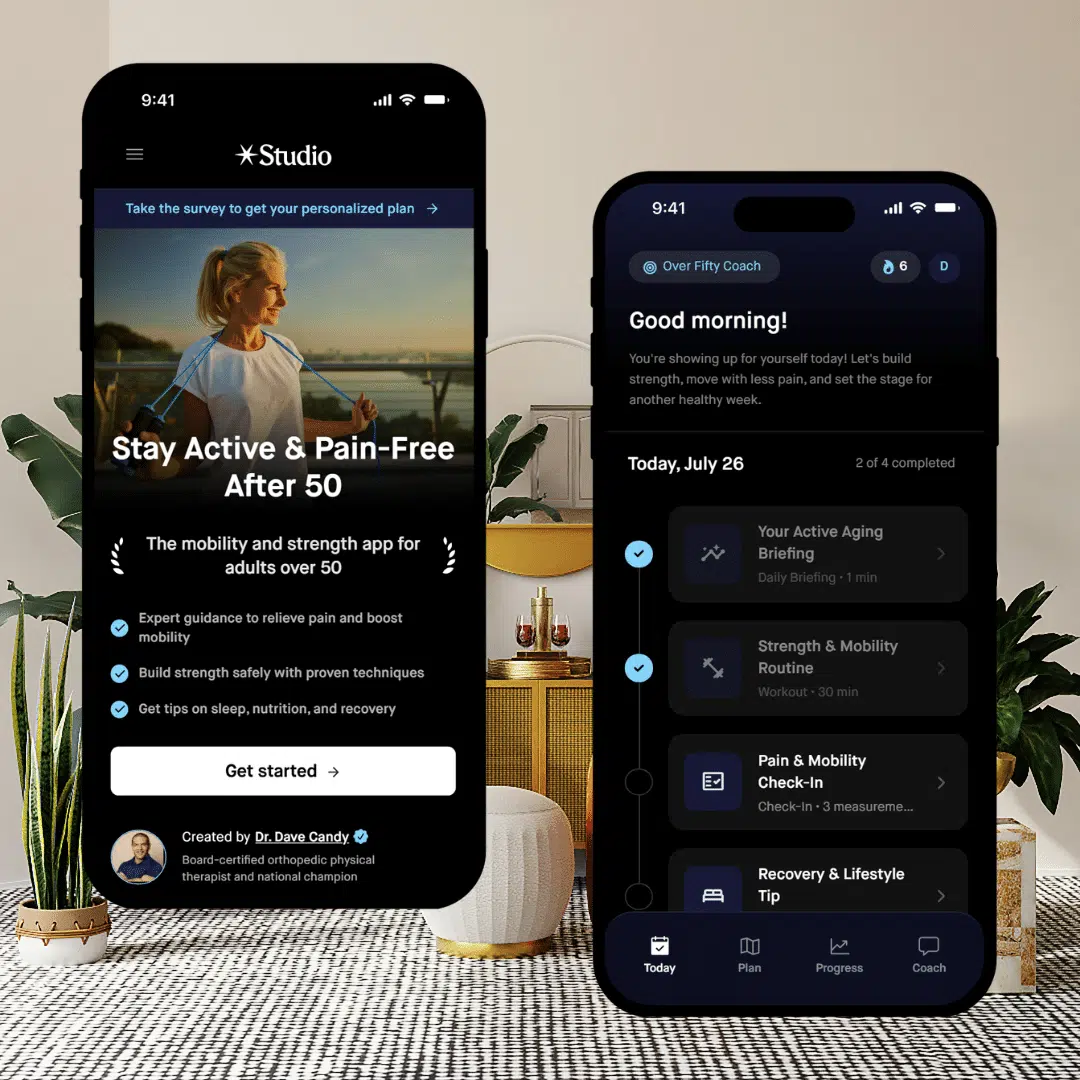
Need Help To Stay Strong and Mobile After 50?
Affiliate Disclosure: This post contains affiliate links to Amazon and/or other sites. While I only recommend products that I trust, as an Amazon Associate, I earn commission from qualifying purchases at no extra cost to you.
Medical Disclaimer: The content on this site is for educational and informational purposes only and is not intended as medical advice. Always consult with a qualified healthcare professional before beginning any new exercise program, diet, or supplement regimen, especially if you have pre-existing health conditions.