
Understanding the Importance of Posture for Seniors
As we age, our posture may become more hunched, leading to discomfort and pain. If you’re looking to improve your posture and stand taller without pain, incorporating specific exercises can be incredibly beneficial. In this post, we will explore the three best posture correction exercises for seniors that not only help to enhance your posture but also alleviate potential back pain.
1. Hip Flexor Stretch with a Pelvic Tilt
The foundation of good posture starts with your pelvis. A neutral pelvis is crucial for maintaining proper spinal alignment. If your pelvis tilts too far forward, it can lead to a forward-leaning posture. To correct this, try the hip flexor stretch combined with a pelvic tilt.
How to Perform the Hip Flexor Stretch
- Start by staggering your legs—one leg should be positioned forward while the other is back.
- With the back leg, perform a slight pelvic tilt by rolling your pelvis underneath you.
- Tighten your abdominal muscles and push your hips forward by squeezing your glutes.
- You should feel a gentle stretch in the front of the leg that is positioned back.
- Hold this position for about one minute and then switch legs.
This exercise not only stretches your hip flexors but also helps establish a stable base for your spine.
2. Rib Cage Expansion and Diaphragmatic Breathing
Many seniors struggle with a rounded upper back due to poor posture, which can lead to discomfort. The second exercise focuses on rib cage expansion through controlled breathing, which can help align your thoracic spine.
Steps for Rib Cage Expansion
- Stand or sit comfortably with your back straight.
- As you breathe in, push your belly out and allow your rib cage to expand sideways.
- Hold this breath for a moment, then exhale and let your belly fall back in.
- Repeat this breathing exercise for several rounds, focusing on the expansion of your rib cage.
This technique not only improves your posture but also engages your diaphragm, promoting better lung capacity.
3. Chest Stretch Against the Wall
Prolonged sitting can tighten chest and shoulder muscles, leading to a rounded upper back. To counteract this, performing a chest stretch against the wall can be very effective.
How to Do the Chest Stretch
- Stand with your lower back flat against a wall. Ensure your shoulders are relaxed.
- Raise your arms and place them against the wall, then lift your chest and pull your arms back.
- Hold this position for at least 10 seconds, gradually working up to 30 seconds or more.
This stretch helps alleviate tightness in the chest and encourages an open posture.
Conclusion: Next Steps for Better Posture
Improving your posture is vital for overall health, especially as we age. By incorporating these three exercises into your daily routine, you can enhance your posture and reduce discomfort. Remember to start slowly and listen to your body. Consistency is key, and over time, you will notice improvements in your posture and a decrease in back pain. If you encounter any persistent discomfort, consider consulting with a healthcare professional for personalized advice.
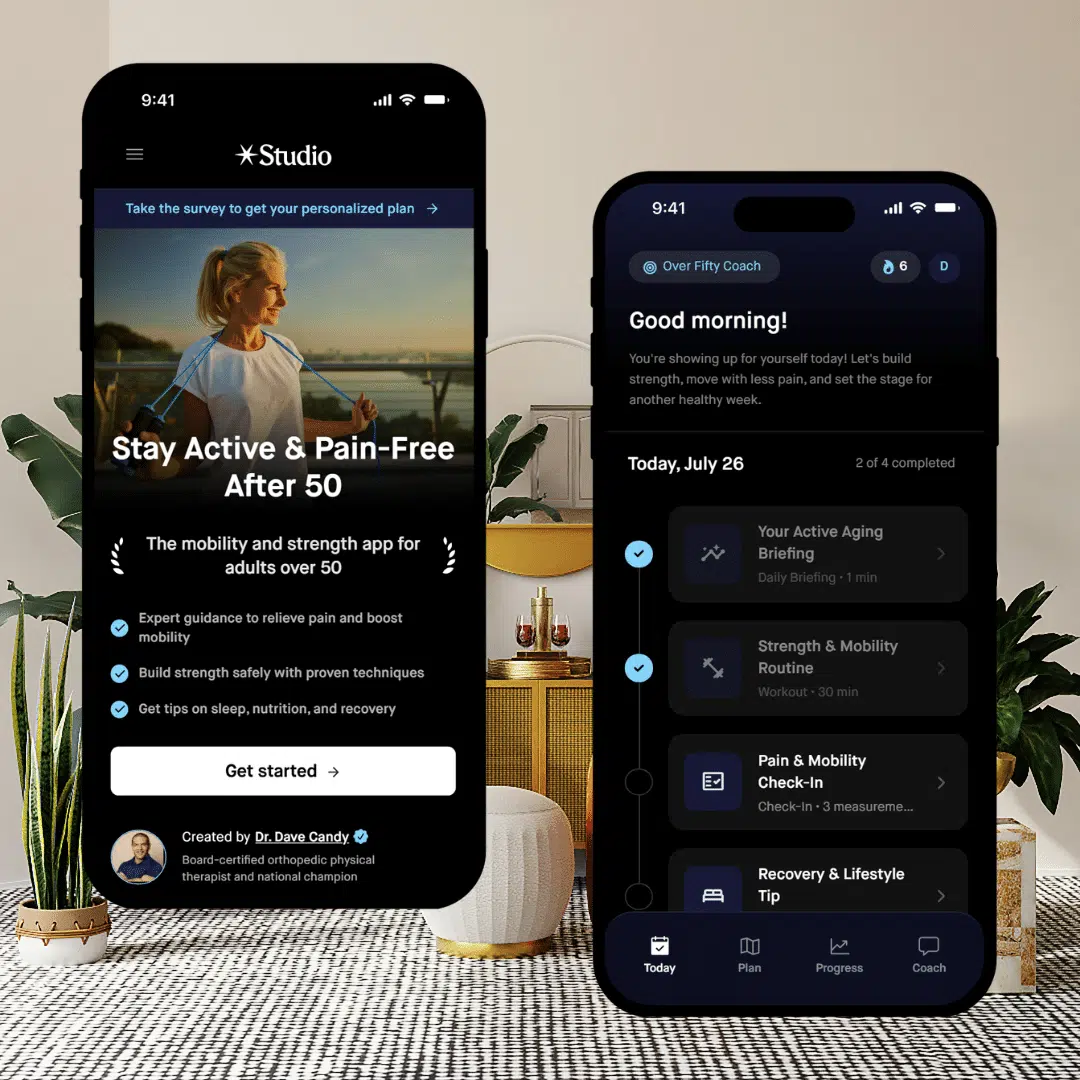
Need Help To Stay Strong and Mobile After 50?
Affiliate Disclosure: This post contains affiliate links to Amazon and/or other sites. While I only recommend products that I trust, as an Amazon Associate, I earn commission from qualifying purchases at no extra cost to you.
Medical Disclaimer: The content on this site is for educational and informational purposes only and is not intended as medical advice. Always consult with a qualified healthcare professional before beginning any new exercise program, diet, or supplement regimen, especially if you have pre-existing health conditions.