
Understanding Morton’s Neuroma
Morton’s neuroma is often described as a sharp, cramping, or burning pain in the foot, particularly between the third and fourth metatarsals. This irritation of the nerve typically results from wearing tight shoes that compress the toes.
5 Tips to Relieve Morton’s Neuroma Pain
Here are 5 tips to relieve Morton’s neuroma pain.
Tip 1: Wear Wider Shoes
The first and most crucial step to relieve Morton’s neuroma pain is to wear shoes that are wider and more accommodating. Narrow shoes, especially high heels and pointed toe boxes, can exacerbate nerve compression. Look for footwear that mimics the natural shape of your foot, such as:
- Neutral running shoes: These offer cushioning without restricting your toes.
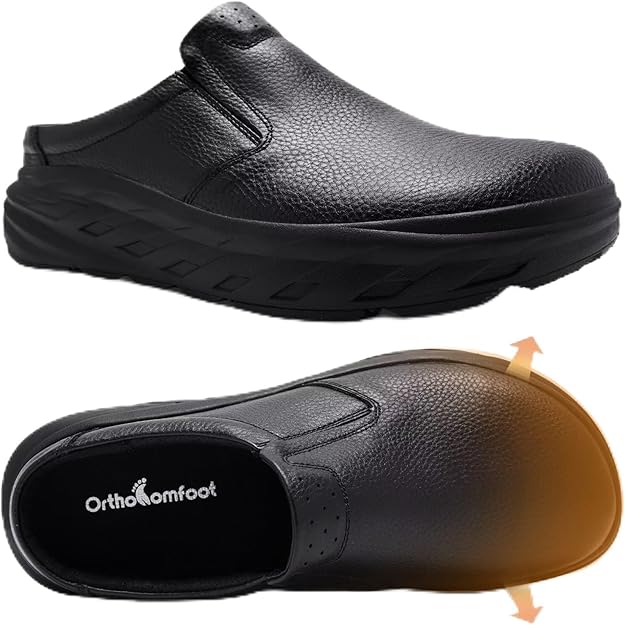
- Dress shoes with athletic features: Options like OrthoComfoot provide comfort and style.
- Barefoot shoes: These allow your toes to spread naturally while providing minimal structure.

Tip 2: Use Toe Spreaders
To combat the effects of tight footwear, toe spreaders can help re-align and stretch the muscles between your toes.

These devices passively spread your toes apart, alleviating pressure on the nerves. You can also practice actively spreading your toes by:
- Fanning your toes out, holding for 5-10 seconds, and repeating 10 times.
Over time, this exercise can reduce discomfort and improve flexibility.
Tip 3: Stretch Your Calves
If your calves are stiff, that transfers more pressure to your forefoot with every step you take. Therefore, calf stretches are an essential part of relieving Morton’s neuroma pain, especially for people who frequently wear high heels. To stretch your calves effectively:
- Keep your heel and the ball of your foot on the ground while stepping forward, maintaining an arch lift.
- Hold the stretch for 1-2 minutes to allow the muscle to lengthen gradually.
Tip 4: Mobilize Foot Bones
One often overlooked strategy to relieve Morton’s neuroma pain is mobilizing the bones in your foot. If you feel a bump or sensitivity along your arch, it might indicate a bone that has dropped out of alignment. To mobilize:
- Gently apply pressure to the protruding bone while pushing down on the metatarsals to restore movement.
This technique can relieve tension and help realign the foot structure, reducing pressure on the nerves.
Tip 5: Strengthen Your Arch
For long-term management, focus on maintaining the arch of your foot. Instead of relying on orthotics or metatarsal pads, practice exercises that encourage natural arch support. Try:
- Toe gripping: Grip the ground with your toes to lift the arch while standing or walking.
- Balancing on one foot: This strengthens the foot muscles and enhances stability.
Incorporating these exercises into your daily routine will help maintain arch integrity and reduce reliance on additional support.
Conclusion
By implementing these five tips, you can effectively relieve Morton’s neuroma pain. Start by reassessing your footwear and then incorporating stretches and mobilization techniques. If symptoms persist, consult a healthcare professional for personalized advice.