
Understanding Osteoporosis
Osteoporosis is a condition that weakens bones, increasing the risk of fractures. Whether you already have been diagnosed with osteoporosis or are looking to prevent bone loss, implementing effective strategies can help you maintain strong, healthy bones.
Effective Exercises for Bone Strengthening
To combat osteoporosis, it’s crucial to engage in weight-bearing exercises. These activities stimulate bone growth and help maintain bone density. Here are some effective exercises:
Weight-Bearing Activities
Incorporate activities like walking, hiking, and climbing stairs into your routine. These exercises require you to support your body weight, which is essential for bone health. While biking and swimming are excellent for cardiovascular fitness, they do not provide the same benefits for bone strengthening.
Strengthening Exercises
Focus on strengthening exercises that target both the upper and lower body. For lower body strength, consider squats, lunges, and step-ups. For the upper body, push-ups (either on the floor or a wall) and lifting moderately heavy weights are beneficial. Aim for weights that allow you to perform 8 to 12 repetitions comfortably.
Posture and Balance Exercises
Improving your posture is crucial in preventing compression fractures, especially in the thoracic spine. Exercises such as wall angels and standing against a wall with raised arms can enhance your thoracic extension and promote an upright posture.
Balance exercises are vital, especially for seniors. Standing on one leg for at least 10 seconds can significantly reduce the risk of falls and fractures. If you struggle with balance, start by holding onto a sturdy object and gradually work towards standing unassisted.
Nutritional Guidelines for Bone Health
Exercise alone isn’t sufficient for strengthening bones; nutrition plays a pivotal role as well. Ensure you’re consuming adequate amounts of key nutrients:
Calcium Intake
Calcium is essential for bone formation. For women over 50, aim for at least 1,200 mg daily, and for men over 50, at least 1,000 mg, increasing to 1,200 mg after age 70. Dairy products like milk, cheese, and yogurt are rich sources. If you’re lactose intolerant, consider almonds, tofu, or canned sardines with bones.
Vitamin D for Calcium Absorption
Vitamin D is crucial for calcium absorption. Aim for 800 to 2,000 IU per day. Sun exposure is a natural source, so try to spend 10 to 30 minutes outdoors several times a week. Dietary sources include fatty fish and egg yolks, or consider a vitamin D3 supplement if necessary.
Protein and Magnesium
Protein is vital for maintaining bone mass. Older adults should aim for 1.2 grams of protein per kilogram of body weight daily. Good sources include meat, fish, poultry, and dairy. Magnesium also supports calcium absorption, with a recommended intake of 320 to 420 mg daily from sources like pumpkin seeds and spinach.
Vitamin K
Vitamin K plays a role in binding calcium to bones. Include leafy greens, fermented foods, or consider supplementation if needed. However, if you’re on blood thinners, consult your doctor before increasing vitamin K intake.
Foods and Habits to Avoid
Certain foods and habits can hinder bone health and should be limited:
- Soda: High in phosphoric acid, which can weaken bones.
- Alcohol: Limit to one drink daily for women and two for men.
- Processed Foods: High sodium levels can lead to calcium loss.
- Caffeine: Keep coffee consumption to two to three cups per day.
Conclusion
By combining effective exercises and a balanced diet rich in essential nutrients, you can significantly strengthen your bones and reduce the risk of osteoporosis-related fractures. Start incorporating these tips into your daily routine for better bone health.
For more information on specific exercises or dietary tips, consult with a healthcare professional or a physical therapist specializing in bone health.
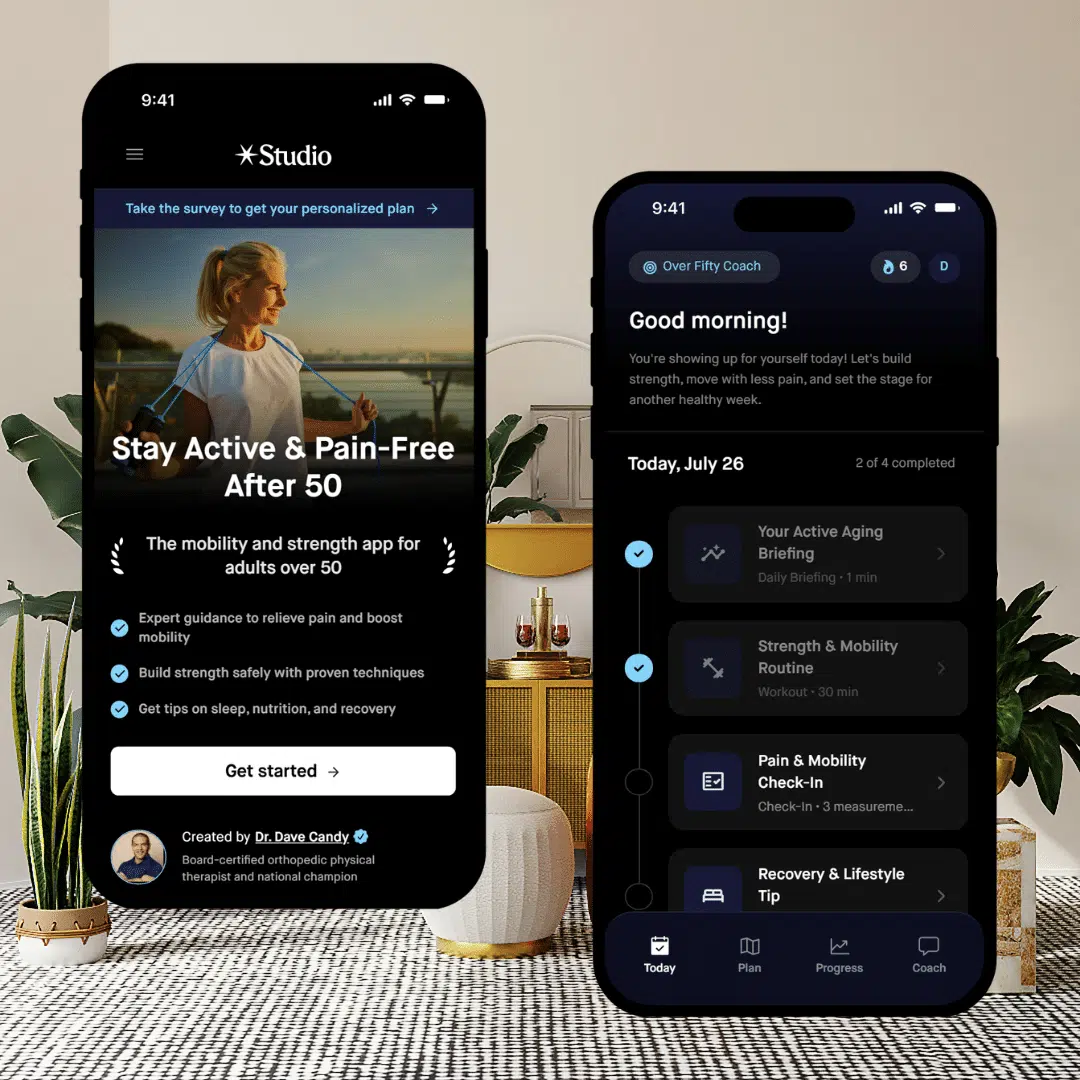
Need Help To Stay Strong and Mobile After 50?
Affiliate Disclosure: This post contains affiliate links to Amazon and/or other sites. While I only recommend products that I trust, as an Amazon Associate, I earn commission from qualifying purchases at no extra cost to you.
Medical Disclaimer: The content on this site is for educational and informational purposes only and is not intended as medical advice. Always consult with a qualified healthcare professional before beginning any new exercise program, diet, or supplement regimen, especially if you have pre-existing health conditions.