
Understanding Mid-Back Pain: A Focus on Thoracic Degenerative Disc Disease
Experiencing nagging or burning pain in your mid-back can be frustrating, especially when traditional treatments seem ineffective. One lesser-known cause of this discomfort is thoracic degenerative disc disease, which often goes unrecognized by healthcare professionals.
That often leaves patients on their own seeking home remedies for thoracic degenerative disc disease. That’s exactly what you’ll find in this post.
What Causes Thoracic Degenerative Disc Disease?
This condition typically arises from hypermobility in one area of the spine, often due to stiffness in adjacent segments. Understanding this can help you target treatment effectively.
Immediate Relief Home Remedies for Thoracic Degenerative Disc Disease
Here are some home remedies to relieve mid-back pain quickly:
- Lying Down: Lying flat can alleviate pressure on the spine by removing the effects of gravity.
- Stretching: Reach your arms up to relieve some load off your spine.
- Hanging: If you have access to a pull-up bar, hanging can help decompress your spine.
Home Remedies to Improve Thoracic Mobility
Once you’ve relieved some immediate pain, focus on improving mobility in the stiff areas surrounding your thoracic spine. Here are a few techniques:
- Foam Rolling: Gently rolling on a foam roller can help mobilize your thoracic spine, but avoid painful areas.
- Massage Gun: Use a massage gun with a fork attachment to target the muscles above and below the painful segment.


Strengthening Your Spine
After increasing mobility, it’s essential to strengthen the muscles supporting your thoracic spine:
- Keep your lower back flexed to lock it out.
- Lift your chest slightly while keeping your lower rib cage down.
- For added difficulty, extend your arms while lifting.
Next Steps
Implement these home remedies for thoracic degenerative disc disease and take not of how you feel. Remember that these tips aren’t one-size-fits-all. If pain persists, consult a healthcare professional to get a treatment plan tailored to your needs.
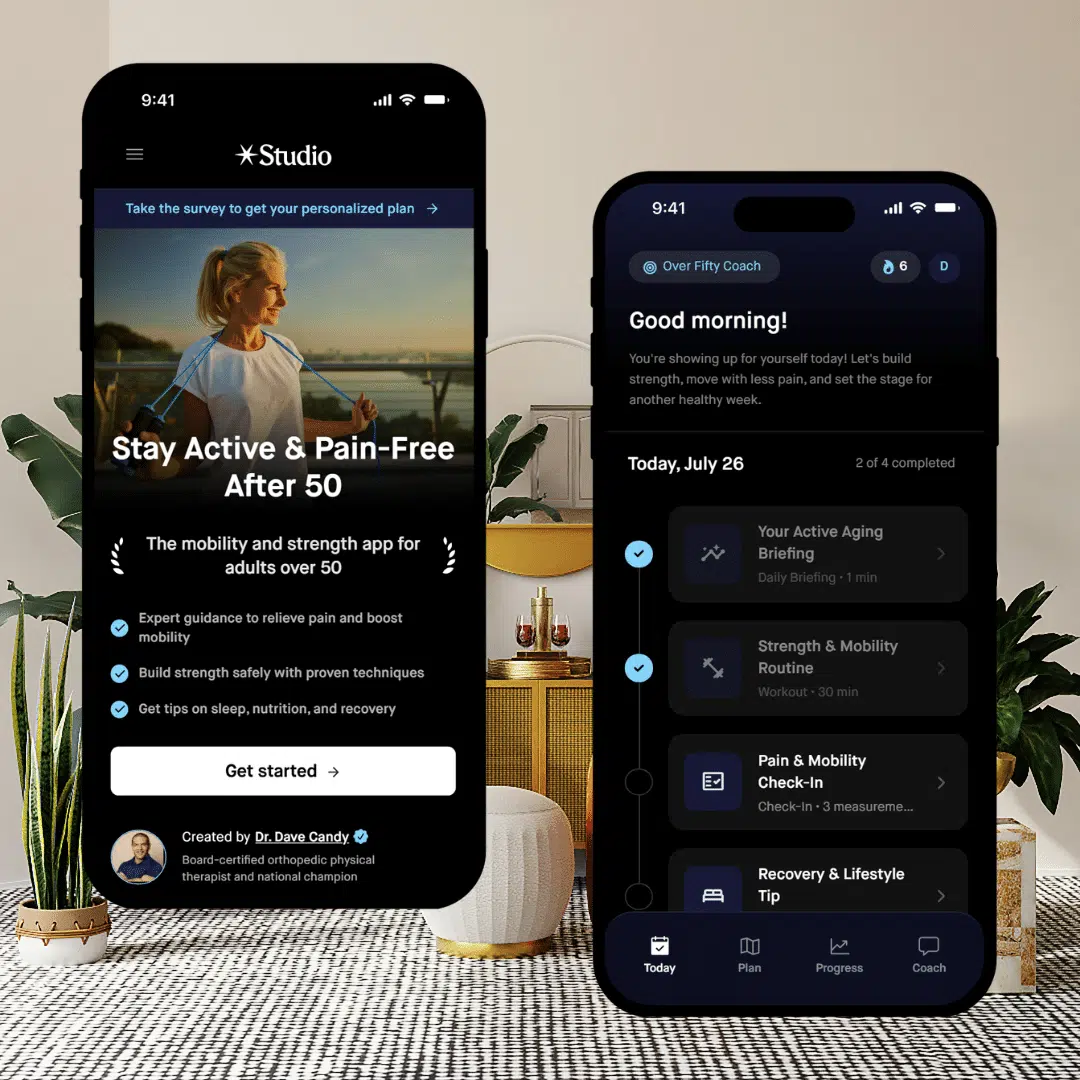
Need Help To Stay Strong and Mobile After 50?
Affiliate Disclosure: This post contains affiliate links to Amazon and/or other sites. While I only recommend products that I trust, as an Amazon Associate, I earn commission from qualifying purchases at no extra cost to you.
Medical Disclaimer: The content on this site is for educational and informational purposes only and is not intended as medical advice. Always consult with a qualified healthcare professional before beginning any new exercise program, diet, or supplement regimen, especially if you have pre-existing health conditions.