
Introduction to Pain Relief Tips
After 17 years as a physical therapist, I’ve gathered 17 quick pain relief tips that can help alleviate discomfort, especially for those over 50. These techniques are simple, effective, and safe, making them great options to try at home. By using these tips, you may find relief from back, hip, knee, foot, neck, and shoulder pain.
Quick Tips for Back Pain Relief
Back pain is a common issue, particularly in individuals over 50. Here are three quick tips to relieve back pain effectively:
1. Forward Bending in a Chair
When experiencing back pain while standing or walking, sit in a chair and gently bend forward for 30 seconds to a minute. This motion opens up the spaces between your joints and alleviates pressure on the nerves.
2. Side Stretch for One-Sided Pain
If your back pain is worse on one side, reach your arm up towards the ceiling and lean towards the opposite side. This movement stretches the quadratus lumborum muscle and helps relieve pressure. Hold for a few seconds while taking deep breaths, repeating five to ten times.
3. Pelvic Tilt While Standing
To relieve back pain when standing, roll your pelvis underneath to flatten your lower back. This adjustment opens up joint spaces and relaxes back muscles, providing immediate relief.
Effective Techniques for Hip Pain
Hip pain often overlaps with lower back discomfort. Here are three effective stretches:
1. Piriformis Stretch
Cross one leg over the other and push down to stretch the piriformis muscle, which can cause lower back issues. Hold this position for a minute, or lean forward to intensify the stretch.
2. Hip Flexor Stretch
For tight hip flexors, stagger your legs, tilt your pelvis, and squeeze your glute to push your hips forward. Repeat on the other side to ensure balanced stretching.
3. Balance Exercise
To prevent hip pain while walking, practice balancing on one leg. This exercise strengthens your glutes and stabilizes your pelvis, reducing pain during movement.
Relieving Knee Pain with Simple Techniques
Knee pain can often stem from hip or foot issues. Here are three targeted exercises:
1. Knee Joint Translation
While crossing your leg, use your hands to push and pull gently at the knee to create a translation motion. This helps with proper knee alignment and reduces discomfort.
2. Opposite Motion Stretch
For those who experience discomfort with the previous stretch, try reversing the motion by pushing the shin outward while bringing the thigh inward. This can help alleviate knee pain.
3. Towel Gap Technique
Place a rolled towel behind your knee while bending it. This creates space in the joint and can help relieve tension, particularly beneficial for outer knee pain.
Quick Fixes for Foot Pain
Foot pain, especially from plantar fasciitis, can be debilitating. Here are three techniques for relief:
1. Arch Support Technique
Gently press on the sore bone along your arch with your thumb while pulling the surrounding area down with your fingers. This can help reposition the bone and relieve pain.
2. Calf Muscle Pressure
Locate knots in your calf muscle and apply gentle pressure for 1.5 to 3 minutes. This helps release tension and can alleviate referred pain in your foot.
3. Doming Your Arch
Before standing up, practice doming your arch by gripping the ground with your toes. This can help prevent foot pain when getting out of bed, especially in the morning.
Neck Pain Relief Techniques
For quick neck pain relief, consider these effective strategies:
1. Suboccipital Stretch
To ease pain at the base of your skull, pull down gently with one hand while pushing up from the back of your head with the other. Hold for 10 seconds and repeat several times.
2. Targeted Neck Stretch
If you have one-sided neck pain, tilt your head slightly and apply gentle compression with your opposite hand. This will help to target specific vertebrae that may be causing discomfort.
3. Towel Assisted Neck Movement
Wrap a towel around your neck and pull gently while turning your head. This can help improve your range of motion and alleviate pain during turns.
Shoulder Pain Relief Strategies
Shoulder pain can limit mobility, especially when reaching overhead. Here are two strategies:
1. Correct Overhead Reaching
When reaching for something overhead, keep your elbow tucked in and lead with your fingers. This avoids pinching the rotator cuff tendons and can reduce pain.
2. Trigger Point Release
For knots in your rotator cuff, use your fingers to apply pressure on the tender spots for 1.5 to 3 minutes. This can help release tension and improve movement.
Conclusion: Next Steps for Pain Relief
These 17 quick pain relief tips provide immediate strategies for various types of pain. While they may not address the underlying causes, they can significantly improve your comfort. If you find persistent pain, consider consulting a physical therapist for personalized advice and treatment.
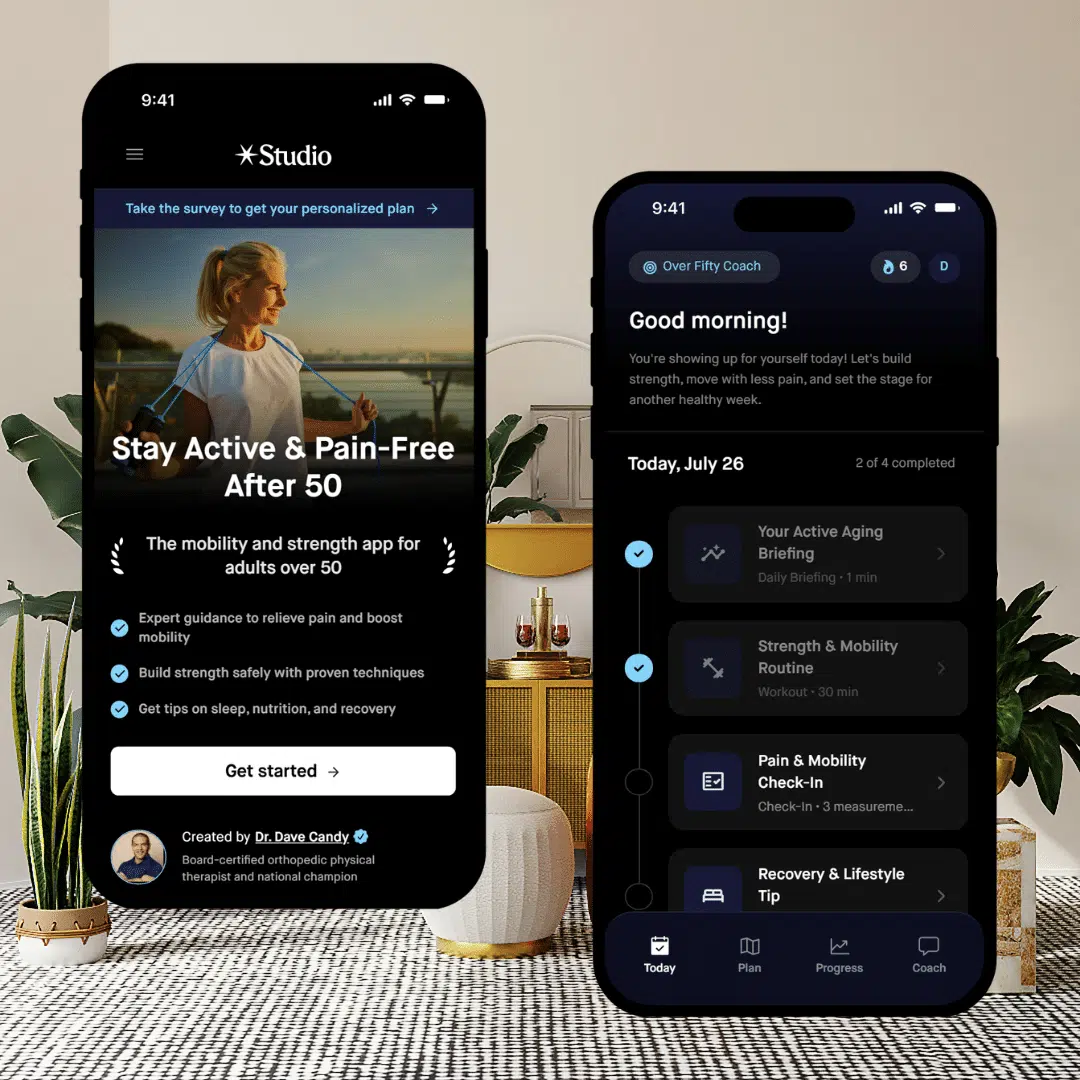
Need Help To Stay Strong and Mobile After 50?
Affiliate Disclosure: This post contains affiliate links to Amazon and/or other sites. While I only recommend products that I trust, as an Amazon Associate, I earn commission from qualifying purchases at no extra cost to you.
Medical Disclaimer: The content on this site is for educational and informational purposes only and is not intended as medical advice. Always consult with a qualified healthcare professional before beginning any new exercise program, diet, or supplement regimen, especially if you have pre-existing health conditions.