
Understanding Sciatica
Sciatica is often described as pain that radiates from your lower back through your buttocks and down the back of one leg, following the path of the sciatic nerve. This nerve is formed from the L4, L5, S1, and S2 nerve roots in your lower back. However, many people find that physical therapy may not provide the relief they expect. In this post, we will explore why physical therapy may not help sciatica and what alternatives you can consider.
Common Reasons Physical Therapy Might Fail
One of the primary reasons physical therapy may not work for sciatica is misdiagnosis. If the source of your pain is not accurately identified—whether it’s piriformis syndrome or a lower back issue—treatment may not address the root cause. Treating one area without understanding the complete picture can lead to ineffective results.
Compliance and Exercise
Another factor is patient compliance. Physical therapists often encounter patients who do not consistently perform their prescribed exercises. However, for the purpose of this discussion, let’s assume you are committed to your rehabilitation plan. Even with adherence, there are times when improvement is not noticeable, causing frustration.
Underdosing in Physical Therapy
Underdosing can also be a significant issue. This does not necessarily refer to the number of repetitions but rather the overall daily activity. If you attend physical therapy sessions for only a few hours a week, the remaining hours spent in poor posture can undermine your progress. To truly benefit from physical therapy, it’s essential to incorporate the principles you learn into your daily routine.
Strategies for Managing Sciatica Pain
Understanding the movements that aggravate your sciatica symptoms is crucial. Sciatica can be exacerbated by either backward bending or forward bending movements, depending on your specific condition.
Addressing Extension-Related Pain
If you experience more pain while standing or walking, you may be dealing with an extension-related issue. This often occurs in middle-aged to older adults. To alleviate pain, it’s beneficial to adopt flexion-type positions throughout your day. Simple posture changes, like tilting your pelvis to flatten your lower back, can relieve pressure on the sciatic nerve.
Dealing with Flexion-Related Pain
Conversely, if your pain worsens when bending forward or sitting for long periods, you might have a flexion-related problem. In such cases, increasing the arch in your lower back can be helpful. You can use lumbar supports or pillows while sitting to maintain a neutral spine.
Symmetry and Movement
Another common issue is asymmetry. If you often lean to one side or carry weight unevenly, it can lead to sciatica symptoms. Focus on maintaining symmetry in your posture and movements, whether sitting, standing, or walking. This may involve consciously distributing your weight evenly and avoiding positions that promote imbalance.
Strengthening and Stretching
If your sciatic nerve is compressed in the hip due to a tight piriformis muscle, you may find relief through targeted strengthening and stretching exercises. Assess your flexibility by comparing how far you can cross your legs on either side. If one side is noticeably more flexible, focus on stretching the stiffer side. If the symptomatic side is more flexible, strengthening may be more beneficial.
Practical Tips for Everyday Activities
When you step on your sore leg, remember to activate your glute muscles. This practice can prevent overstretching of the piriformis and alleviate symptoms. Additionally, you might want to incorporate standing on one leg to improve stability and strength, which can be practiced in front of a mirror for better feedback.
Conclusion: Taking Action
Understanding why physical therapy may not help sciatica is crucial in taking the right steps towards relief. By identifying the root cause of your symptoms, maintaining proper posture, and integrating effective exercises into your daily routine, you can manage your condition more effectively. If traditional methods are not yielding results, consider seeking a comprehensive evaluation from a healthcare professional who can guide you towards the most suitable treatment plan.
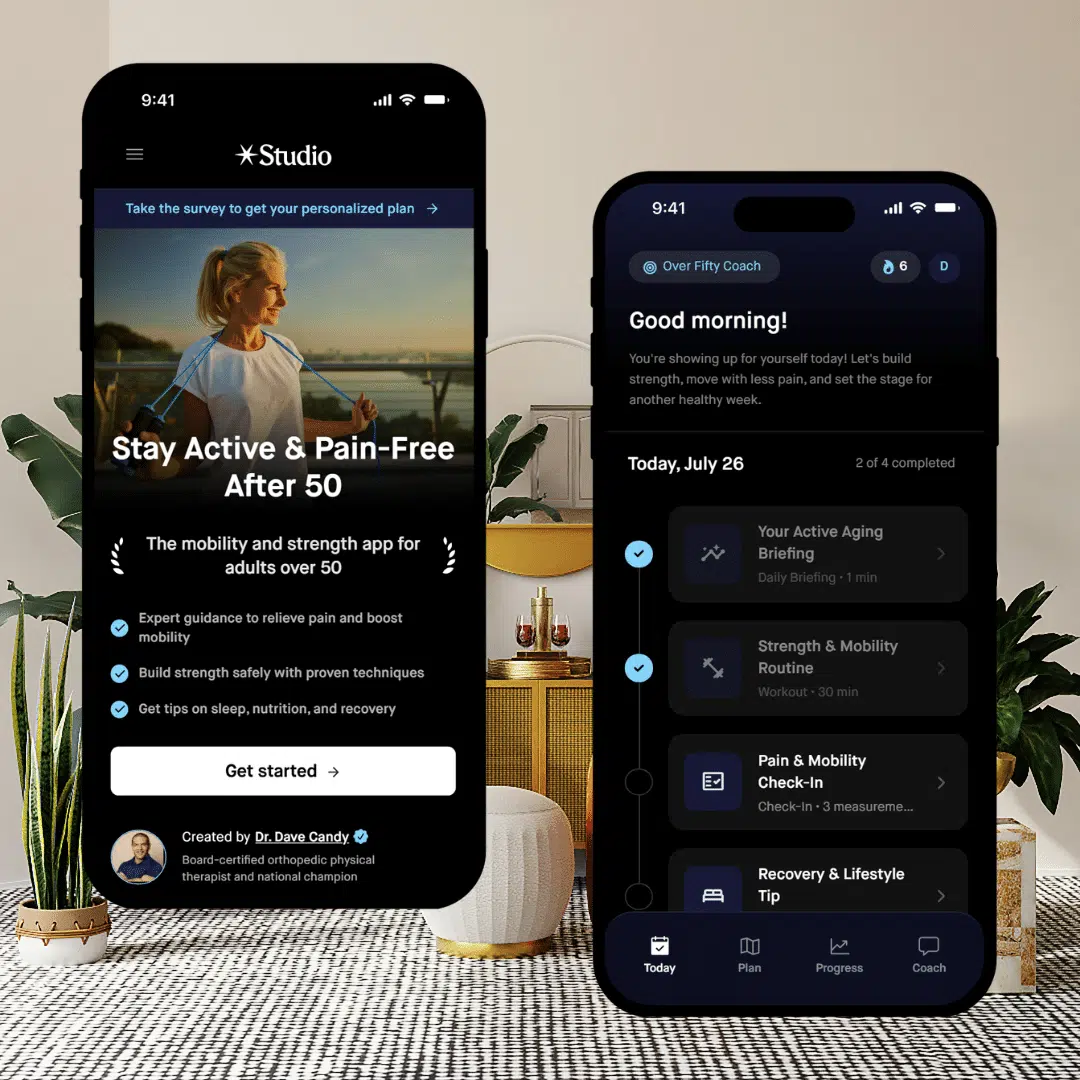
Need Help To Stay Strong and Mobile After 50?
Affiliate Disclosure: This post contains affiliate links to Amazon and/or other sites. While I only recommend products that I trust, as an Amazon Associate, I earn commission from qualifying purchases at no extra cost to you.
Medical Disclaimer: The content on this site is for educational and informational purposes only and is not intended as medical advice. Always consult with a qualified healthcare professional before beginning any new exercise program, diet, or supplement regimen, especially if you have pre-existing health conditions.