
Introduction
As we age, many individuals experience back pain or sciatica, especially when standing for prolonged periods. This blog post will explore an effective exercise that can help you stand longer without discomfort.
Understanding Back Pain and Sciatica
Back pain often arises when the vertebrae in the spine become compressed. This compression can lead to conditions like sciatica, where nerves are pinched, causing pain that radiates down the legs. A common culprit for this issue is standing with excessive arch in the back.
Why Standing Posture Matters
When you stand with a pronounced arch, the spaces between your vertebrae narrow, increasing the likelihood of nerve compression and pain. Proper posture is essential for maintaining spinal health, especially as we age.
The Horse Stance: An Effective Solution
One simple yet powerful exercise to relieve back pain and sciatica is the horse stance, used widely in martial arts. This exercise can help realign your spine and reduce pressure on your lower back.
How to Perform the Horse Stance
To begin, stand with your feet slightly wider than shoulder-width apart, and point your toes straight ahead or slightly outward. Here’s a step-by-step guide:
- Shift your weight: Gently push your knees forward over your feet while keeping your heels grounded.
- Squeeze your glutes: Engage your glute muscles to help shift your pelvis forward.
- Tighten your abdominals: Keep your core engaged to prevent arching your lower back.
- Flatten your lower back: As you hold this position, focus on maintaining a flat lower back.
Benefits of the Horse Stance
This modified horse stance is advantageous for individuals who stand for long periods. By engaging the glutes and core, you reduce strain on the lower back, thus alleviating pain and discomfort.
Real-Life Application
When you’re in a situation where standing is unavoidable, such as at a social gathering or while waiting in line, remember to use this technique. It may look natural and doesn’t draw attention, allowing you to relieve discomfort discreetly.
Returning to a Neutral Standing Position
After holding the horse stance for a minute or as long as needed, you can return to a more upright position. Engage your glutes and abdominals to maintain a flat back as you straighten your knees.
By keeping the glutes contracted and the core tight, you can prevent reverting to an arched position, which is key to avoiding future pain.
Conclusion: Take Control of Your Back Health
Incorporating the horse stance into your routine can significantly help manage back pain and sciatica. Remember, consistency is crucial. Practice this exercise regularly to strengthen your core and improve your posture.
If you want to learn more variations of the horse stance or additional tips to relieve back pain, consider exploring further resources that focus on maintaining a healthy back.
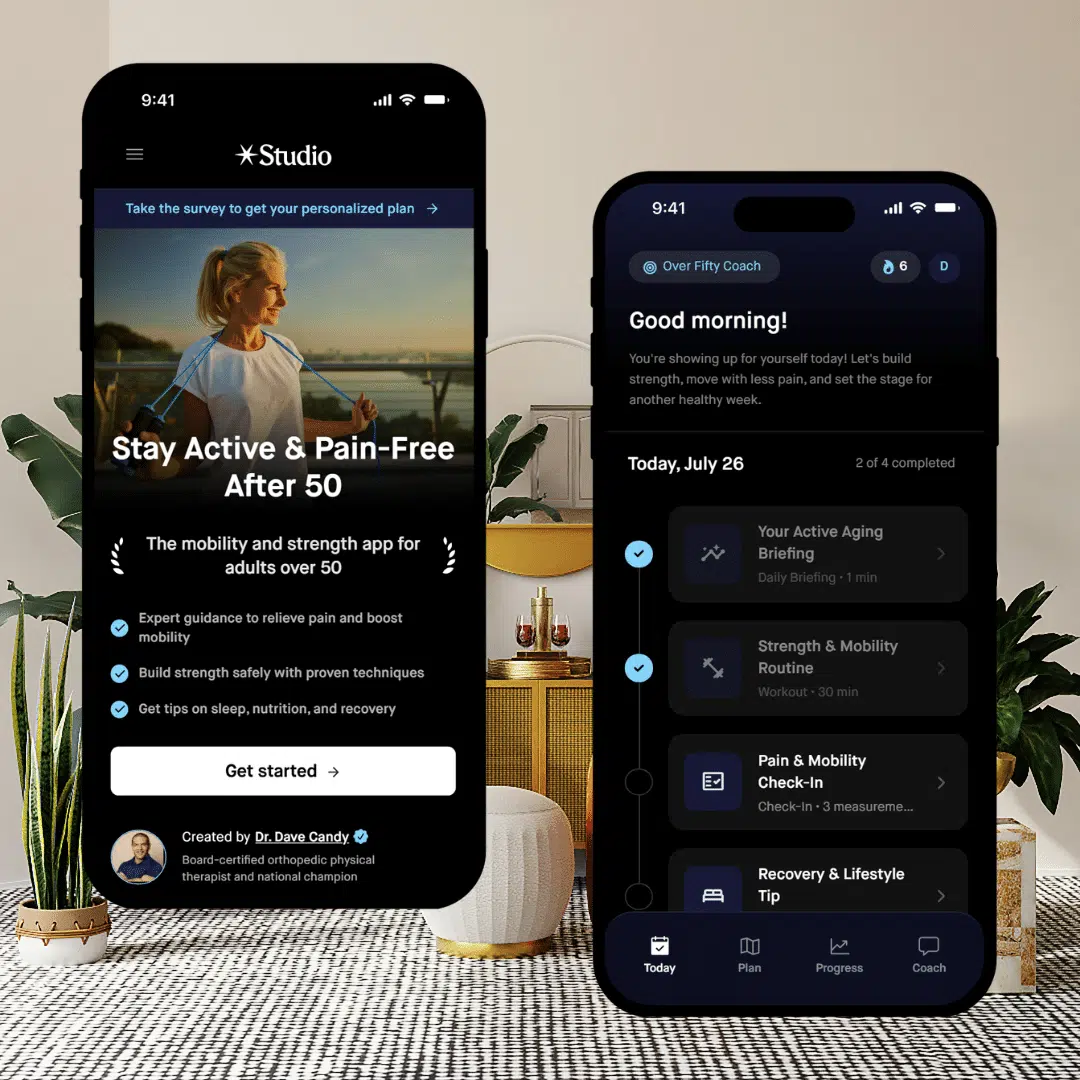
Need Help To Stay Strong and Mobile After 50?
Affiliate Disclosure: This post contains affiliate links to Amazon and/or other sites. While I only recommend products that I trust, as an Amazon Associate, I earn commission from qualifying purchases at no extra cost to you.
Medical Disclaimer: The content on this site is for educational and informational purposes only and is not intended as medical advice. Always consult with a qualified healthcare professional before beginning any new exercise program, diet, or supplement regimen, especially if you have pre-existing health conditions.