
Understanding Your Motivation for Exercise
The number one reason exercise programs fail is lack of consistency. To motivate yourself to exercise consistently, you first need to understand your true reasons for wanting to exercise. This goes beyond surface-level goals like losing weight or fitting into old clothes.
To dig deeper, consider Maslow’s hierarchy of needs. At the base level are physiological needs; for example, exercising can help prevent diseases like diabetes or heart disease. Moving up the pyramid, you find safety, relationships, self-esteem, and finally, self-actualization. The ultimate goal is to cultivate a love for the habit itself, making it easier to push through days when motivation is low.
Identifying Barriers to Consistency
Understanding the barriers that prevent you from exercising is crucial. These obstacles can be conscious, subconscious, or unconscious. On a conscious level, distractions like watching TV or socializing might take precedence over exercise.
However, deeper issues may be at play. Subconscious beliefs such as “exercise is too hard” or “I’m too old to start” can hinder your progress. Unconscious beliefs formed during childhood, like “I’m not a good athlete,” can also create mental roadblocks that stop you from seeing exercise as a viable option.
Reframing Negative Beliefs
To overcome these barriers, it’s essential to reframe negative thoughts. For instance, instead of thinking, “exercise is too hard,” you can tell yourself, “exercise is challenging, but it will make me stronger.” This shift in perspective is vital for long-term success.
Additionally, if you believe that your family history of being overweight predetermines your future, reframe it as an opportunity to break generational habits. By choosing healthier behaviors, you can pave the way for a healthier future for both yourself and your descendants.
Reward Yourself for Progress
Another effective strategy for motivating yourself to exercise is to implement a reward system. This approach conditions your brain to associate exercise with positive outcomes. Instead of rewarding yourself with unhealthy snacks, opt for healthier options like a nutritious smoothie or a relaxing bath after a workout.
Start Small to Build Habits
Creating new habits can be difficult, especially if you’ve spent a long time avoiding exercise. A good way to start is by setting small, manageable goals. Consider exercising for just two minutes a day or doing one push-up. These small actions may not yield immediate health benefits, but they will help you establish a routine.
As you become comfortable with these small goals, gradually increase their difficulty. If you can walk for five minutes a day, aim for six minutes the next week. This incremental approach fosters long-term habits that can lead to significant health improvements over time.
Pairing New Habits with Existing Ones
Another effective technique is to pair new habits with activities you already do regularly. For example, you could balance on one leg while brushing your teeth or take a short walk after dinner. This strategy increases the likelihood of sticking to your new exercise routine by anchoring it to an already established habit.
Conclusion: Embrace the Habit of Exercise
To truly motivate yourself to exercise consistently, remember that motivation is fleeting, but habit is lasting. Rather than focusing solely on the enjoyment of exercising, try to fall in love with the discipline, the results, and the journey of self-improvement. Over time, these habits will build a healthier, more active lifestyle.
Start today by identifying your motivations, breaking down barriers, rewarding yourself, and making small changes to your routine. Embrace the process and enjoy the benefits that come with consistency. Your future self will thank you.
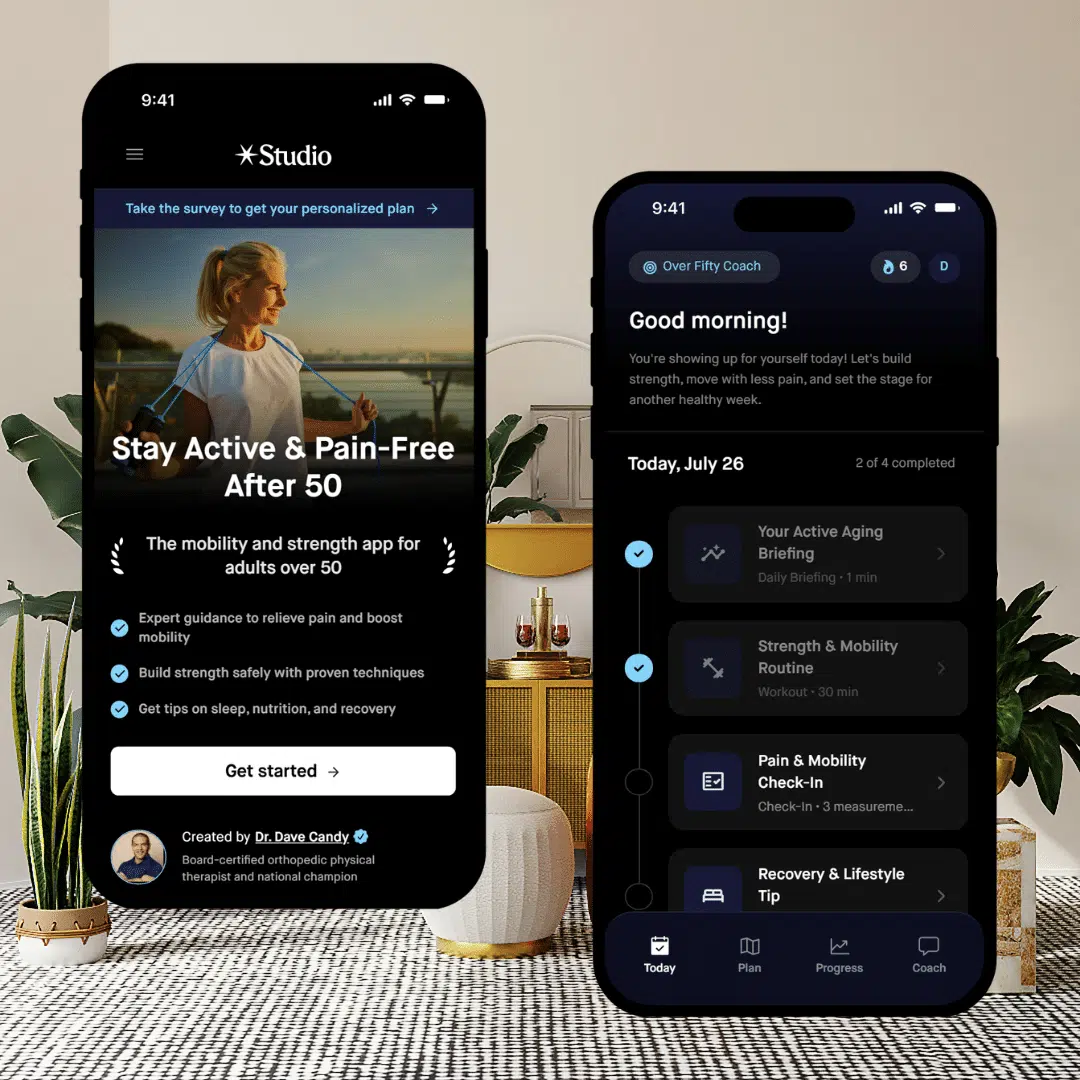
Need Help To Stay Strong and Mobile After 50?
Affiliate Disclosure: This post contains affiliate links to Amazon and/or other sites. While I only recommend products that I trust, as an Amazon Associate, I earn commission from qualifying purchases at no extra cost to you.
Medical Disclaimer: The content on this site is for educational and informational purposes only and is not intended as medical advice. Always consult with a qualified healthcare professional before beginning any new exercise program, diet, or supplement regimen, especially if you have pre-existing health conditions.