
Understanding Upper Arm Pain
Upper arm pain can significantly impact your daily life. Two of the most common causes of this discomfort are related to nerve issues in the neck or problems with the rotator cuff. In this article, we’ll explore these causes and offer actionable solutions to help relieve your pain and prevent it from recurring.
Common Causes of Upper Arm Pain
Identifying the source of your upper arm pain is crucial for effective treatment. The primary culprits include:
1. C5 Nerve Root Issues
The C5 nerve root can be affected by conditions such as degenerative disc disease or spinal stenosis. Symptoms often manifest as referred pain in the upper arm. To test if your neck is the source of the pain, try the following:
- Turn your neck left and right, assessing any changes in arm pain.
- Look up and down to see if this action increases your discomfort.
- Tip your head side to side to determine if stretching the nerve roots alleviates or worsens your pain.
2. Rotator Cuff Problems
Rotator cuff injuries, including tendonitis or tears, often present as pain in the upper arm. If you experience pain when performing the following movements, your rotator cuff may be involved:
- Reaching above your head
- Reaching across your body
- Reaching behind your back
If these movements provoke pain, consider consulting a healthcare professional for further evaluation.
How to Relieve Upper Arm Pain
Once you’ve identified the potential causes of your upper arm pain, you can take steps to relieve it.
For C5 Nerve Issues
To alleviate nerve-related pain, try the following:
- Support Your Arm: Rest your sore arm on pillows or an armrest to reduce tension on the nerve roots.
- Movement Adjustments: Engage in movements that relieve your pain. For instance, if tilting your head in one direction alleviates your discomfort, incorporate that movement into your daily routine.
For Rotator Cuff Problems
For rotator cuff-related pain, consider these techniques:
- Trigger Point Release: Use your fingers or a trigger point cane to apply pressure to tight muscles around the rotator cuff, particularly the supraspinatus and infraspinatus.
- Tennis Ball Therapy: Lie on your back with a tennis ball positioned under your shoulder blade to release tension in the infraspinatus. Hold this position for 1-2 minutes.
- Sleeper Stretch: To stretch the teres minor and infraspinatus, lie on your side and rotate your arm downwards, applying gentle pressure with the opposite arm.
Preventing Future Upper Arm Pain
To avoid the recurrence of upper arm pain, pay attention to your sleeping position. Ensure your neck is supported and avoid positions that may irritate your rotator cuff. Consider the following:
- Use a supportive pillow that keeps your neck aligned.
- Avoid sleeping on the arm that is prone to pain.
- Incorporate gentle stretches and strengthening exercises for your shoulders and neck into your daily routine.
Conclusion
Upper arm pain can often be traced back to nerve problems in the neck or issues related to the rotator cuff. By performing simple movement tests, utilizing trigger point therapy, and adjusting your sleeping position, you can effectively manage and prevent this discomfort. If your pain persists, seek guidance from a healthcare professional to explore further treatment options.
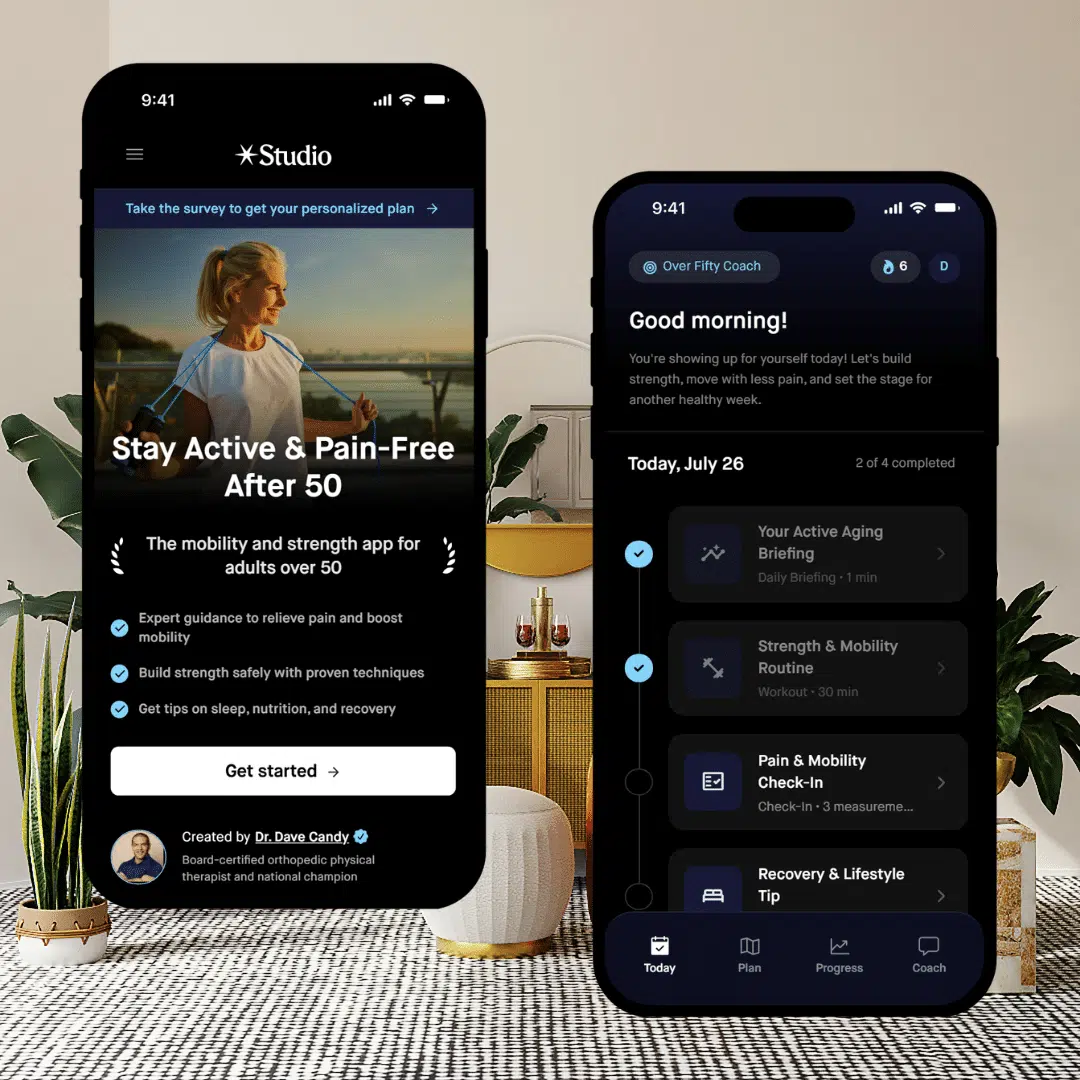
Need Help To Stay Strong and Mobile After 50?
Affiliate Disclosure: This post contains affiliate links to Amazon and/or other sites. While I only recommend products that I trust, as an Amazon Associate, I earn commission from qualifying purchases at no extra cost to you.
Medical Disclaimer: The content on this site is for educational and informational purposes only and is not intended as medical advice. Always consult with a qualified healthcare professional before beginning any new exercise program, diet, or supplement regimen, especially if you have pre-existing health conditions.