
Understanding Spondylolisthesis
Spondylolisthesis is a condition where one vertebra slips forward over another, often leading to back or leg pain, especially when standing or walking for extended periods. This condition can arise from injuries, degeneration, or even congenital factors. It’s essential to recognize that while spondylolisthesis may sound daunting, there are effective exercises to help alleviate discomfort.
Types of Spondylolisthesis
There are primarily two types of spondylolisthesis: isthmic and degenerative. Isthmic spondylolisthesis often develops during childhood or adolescence, especially in those involved in sports like football or gymnastics. In contrast, degenerative spondylolisthesis is more common in older adults due to the natural aging process and loss of hydration in spinal discs.
Grading Spondylolisthesis Severity
Spondylolisthesis severity is classified on a scale of one to five, with grade one indicating less than 25% slippage and grade five representing complete slippage. Understanding the severity can guide treatment options, but it’s important to note that surgery is not always necessary. Symptoms and how you respond to conservative treatments often dictate the best course of action.
How Exercises Help
While exercises cannot directly fix the anatomical issues associated with spondylolisthesis, they play a crucial role in symptom management. The goal is to balance the forces acting on the vertebrae, reducing forward slippage and enhancing stability.
1. Correcting Your Posture
Proper posture is vital for reducing symptoms of spondylolisthesis. Start by rolling your pelvis under you to flatten your lower back. Squeeze your glute muscles to maintain this position while standing or walking. This action minimizes the gravitational forces that exacerbate slippage and can significantly reduce discomfort.
2. Stretching the Hip Flexors
Tight hip flexors, particularly the iliopsoas muscle, can contribute to the forward pull on the vertebrae. To stretch this muscle safely, maintain a flat back while pushing your hips forward. A hip flexor stretch can be done in various positions, whether kneeling or standing, but always remember to keep your pelvis rolled under to protect your spine.
3. Strengthening the Multifidus
The multifidus muscles play a key role in stabilizing the spine. To strengthen these small but crucial muscles, try exercises like the bird dog. Start on all fours, maintaining a neutral spine, and extend one leg and the opposite arm, avoiding excessive arching of your back. If getting on the ground is challenging, a standing version can also be effective.
Additional Exercises for Spondylolisthesis Relief
Incorporating a variety of exercises can enhance your recovery. Here are a few more to consider:
- Pelvic Tilts: Lying on your back with your knees bent, gently rock your pelvis back and forth to engage your core.
- Bridge Exercise: Lying on your back with knees bent, lift your hips towards the ceiling while squeezing your glutes.
- Standing Leg Raises: Stand and lift one leg to the back, engaging your core to maintain balance.
Conclusion: Taking the Next Steps
Managing spondylolisthesis involves a multi-faceted approach, including posture correction, targeted exercises, and ongoing self-care. Remember, while exercises can significantly alleviate symptoms, it’s crucial to consult with a healthcare professional for personalized advice. Consistency is key; the more you integrate these movements into your daily routine, the better your outcomes will be. Should you experience persistent or worsening symptoms, seeking professional guidance is essential.
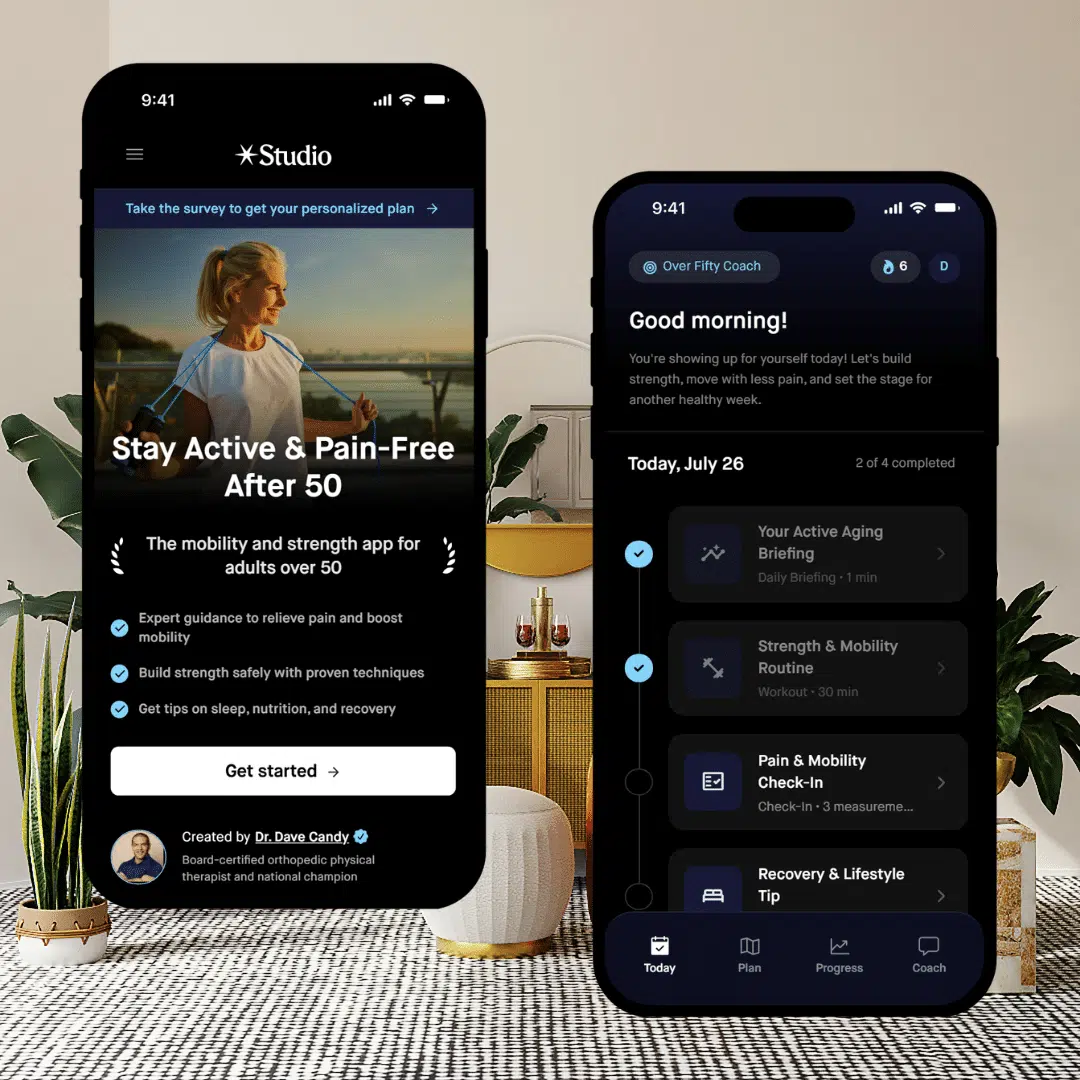
Need Help To Stay Strong and Mobile After 50?
Affiliate Disclosure: This post contains affiliate links to Amazon and/or other sites. While I only recommend products that I trust, as an Amazon Associate, I earn commission from qualifying purchases at no extra cost to you.
Medical Disclaimer: The content on this site is for educational and informational purposes only and is not intended as medical advice. Always consult with a qualified healthcare professional before beginning any new exercise program, diet, or supplement regimen, especially if you have pre-existing health conditions.