
Understanding Heat and Ice for Low Back Pain
When it comes to managing low back pain, many people wonder whether heat or ice is the better option. As a physical therapist, I often tell my patients that both can be effective, but the choice largely depends on personal preference. However, my recommendation leans towards the use of heat for better results.
Conventional Wisdom: Ice First, Then Heat
Traditionally, the guideline suggests using ice for the first 24 to 48 hours after an injury and transitioning to heat afterward. This protocol is primarily based on the treatment of superficial injuries, such as ankle sprains. In those cases, ice helps reduce swelling by causing vasoconstriction, which decreases blood flow and metabolic activity in the injured area.
Why Heat May Be More Beneficial for Low Back Pain
For low back pain, however, the situation is different. The tissues affected by back injuries are often located deeper than what superficial heat or ice can penetrate—usually only about half a centimeter. Thus, the benefits of ice and heat in the lower back have more to do with their effects on pain perception rather than actual tissue healing.
The Science Behind Heat and Pain Relief
Both heat and ice activate thermal receptors in the body. Heat activates the TRPV1 receptor, while ice stimulates the TRPM8 receptor. Ice can slow nerve conduction, effectively dulling the pain signal sent from the injury site to the brain. On the other hand, heat not only helps in pain relief but also encourages blood flow, leading to the release of endorphins, which further lessen pain perception.
How to Use Heat Effectively
Research suggests that using continuous, low-level heat can be more effective than traditional methods. Instead of the usual 15-20 minutes, prolonged heat application may yield better results. Studies have shown that low-level heat can outperform medications like ibuprofen and acetaminophen for lower back pain relief.
Recommended Heating Products
One popular option used in research is the ThermaCare wrap, known for its effectiveness. While some studies were funded by the product’s manufacturer, the evidence supporting its benefits is substantial.

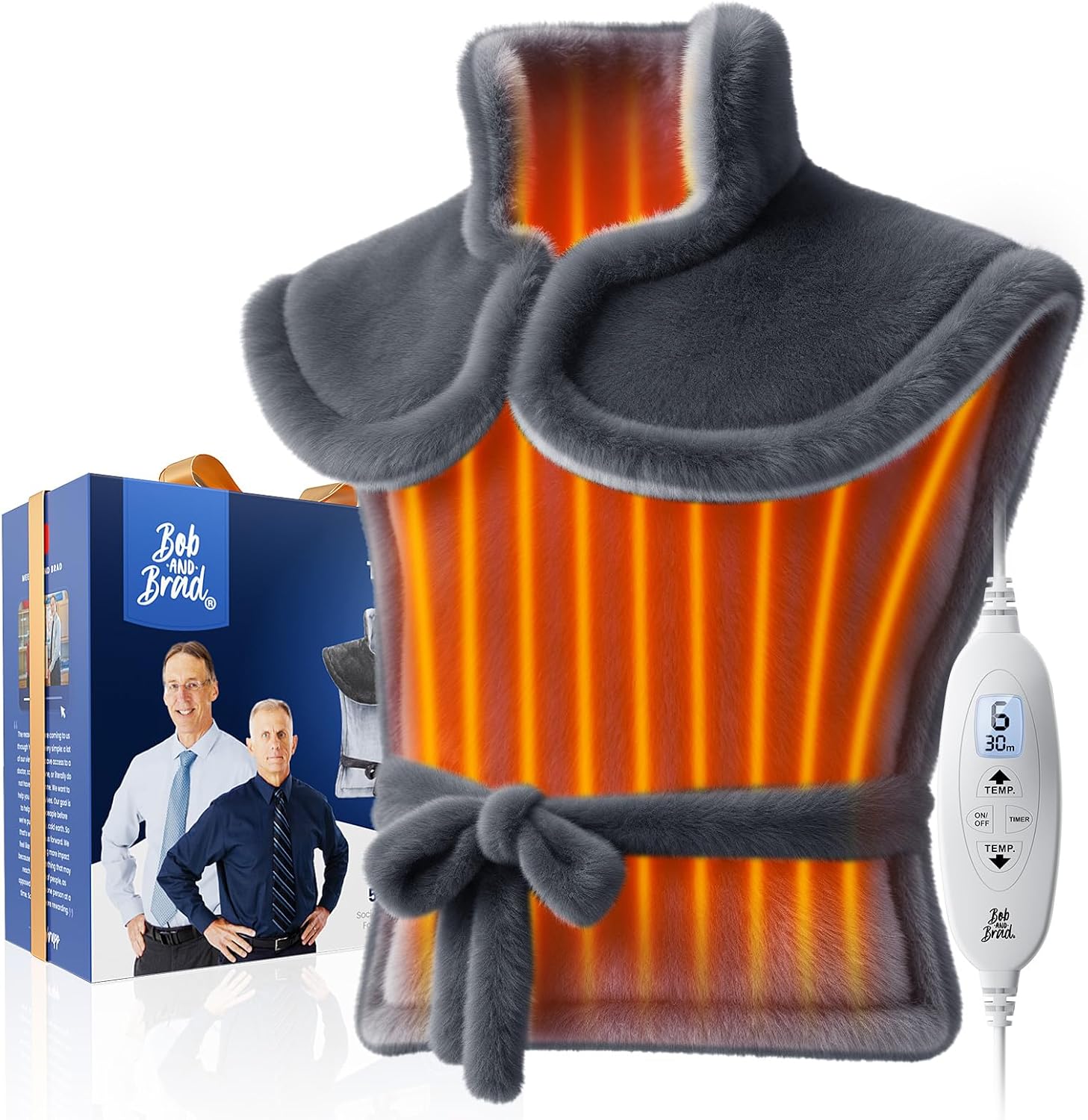
If you prefer a more versatile option, consider using a wearable heating blanket, which provides a larger surface area and can be worn for up to two hours.
The Role of Heating and Cooling Creams
Heating and cooling creams can also provide symptomatic relief for back pain. These products often contain active ingredients like capsaicin or menthol that interact with pain receptors in the skin. While they may not address the underlying issues, they can help you stay active, which is essential for long-term pain management.


Addressing the Root Cause of Back Pain
It is crucial to recognize that neither heat nor ice will resolve the root cause of your low back pain. Most back injuries stem from cumulative micro-traumas due to poor posture or repetitive strain rather than a singular traumatic event. If you continue to exacerbate these issues, symptoms will persist regardless of your heat or ice application.
Next Steps for Managing Low Back Pain
If you’re experiencing ongoing low back pain, consider seeking professional help to identify the underlying causes. Physical therapists can provide personalized assessments and treatments that address not only the pain but also the contributing factors. If you’re in the St. Louis area, we invite you to visit us at More for Life for tailored strategies and support.
To conclude, whether you opt for heat or ice, the most important aspect is to listen to your body and choose what feels best for you. By combining these methods with proper care and attention to posture and movement, you can effectively manage your low back pain.
Need Help To Stay Strong and Mobile After 50?
Affiliate Disclosure: This post contains affiliate links to Amazon and/or other sites. While I only recommend products that I trust, as an Amazon Associate, I earn commission from qualifying purchases at no extra cost to you.
Medical Disclaimer: The content on this site is for educational and informational purposes only and is not intended as medical advice. Always consult with a qualified healthcare professional before beginning any new exercise program, diet, or supplement regimen, especially if you have pre-existing health conditions.