
Enhance Your Leg Strength and Balance
If you’re looking to improve your leg strength, balance, and flexibility without dedicating hours to exercise, the lunge is your go-to exercise. Many middle-aged and older adults shy away from lunges due to concerns about balance or knee pain, but with the right techniques, lunges can be performed safely and effectively at any age.
Understanding the Basics of Lunges
The lunge comes in various forms, and we’ll focus on four variations that cater to different skill levels and comfort zones. Start with the one that feels best for you, and gradually progress as you gain confidence and strength.
1. The Split Squat: The Foundation of Lunges
The split squat is the most basic lunge variation where both feet remain grounded. To perform this exercise, stagger your legs with one foot forward and the other back, ensuring your feet are about shoulder-width apart. This wider stance enhances stability, making it a great choice for those concerned about balance.
Tips for the Split Squat
Begin by holding onto a chair for support until you feel comfortable. Focus on keeping your knee aligned over your ankle to reduce stress on the knee joint. As you lower into the squat, aim to keep your weight centered over your heels. Start with small movements, gradually increasing your depth as you gain strength.
2. The Reverse Lunge: Building Power
The reverse lunge is another excellent option that starts from a standing position. Step backward with one leg into a split squat position. This variation emphasizes glute strength and helps to improve balance.
Performing the Reverse Lunge
As you step back, focus on driving your heel into the ground as you return to standing. Alternate legs to ensure both sides are strengthened. Maintain proper alignment with your knee over your heel to avoid unnecessary stress on your joints.
3. The Forward Lunge: Quadriceps Focus
For those looking to strengthen their quadriceps, the forward lunge is an effective choice. Begin in a standing position and step forward, lowering into a lunge.
Considerations for the Forward Lunge
When performing this lunge, ensure that your knee stays aligned with your ankle to prevent knee pain, especially if you have arthritis. This exercise can be more challenging on your knees, so listen to your body and modify accordingly.
4. The Walking Lunge: Dynamic Movement
The walking lunge adds a dynamic element to your workout. It challenges your balance and coordination as you move from one lunge into the next without placing your foot down in between.
Executing the Walking Lunge
As you step forward, ensure that your movements are controlled and that you maintain alignment with your knee. This variation is excellent for building power and endurance.
Conclusion: Finding Your Perfect Lunge
Each lunge variation offers unique benefits for enhancing leg strength and improving balance. Experiment with these exercises to find the ones that work best for you. Remember to start slow, and as you grow more comfortable and confident, increase the intensity or add weights for an extra challenge. With consistency, lunges can help you achieve stronger legs and better balance.
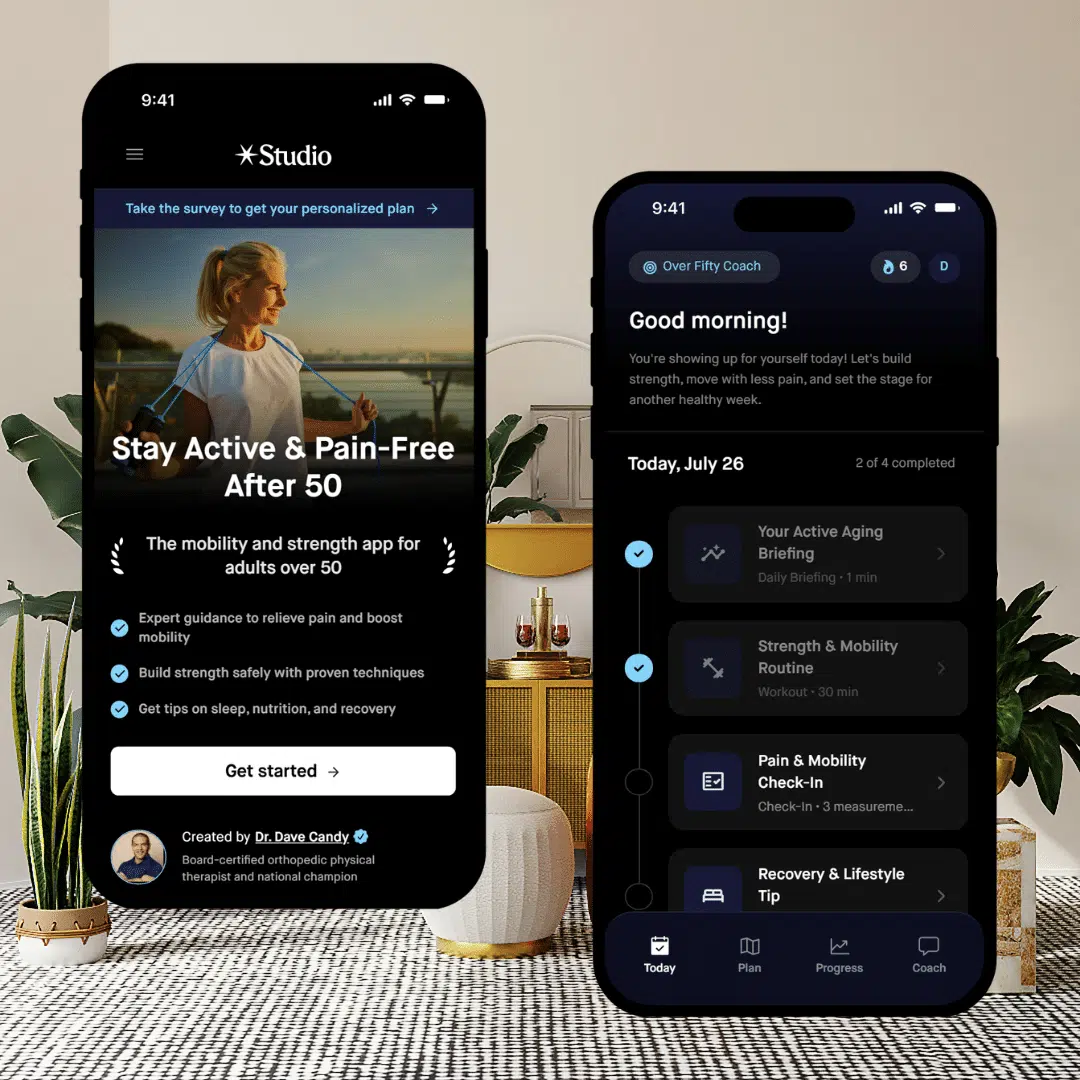
Need Help To Stay Strong and Mobile After 50?
Affiliate Disclosure: This post contains affiliate links to Amazon and/or other sites. While I only recommend products that I trust, as an Amazon Associate, I earn commission from qualifying purchases at no extra cost to you.
Medical Disclaimer: The content on this site is for educational and informational purposes only and is not intended as medical advice. Always consult with a qualified healthcare professional before beginning any new exercise program, diet, or supplement regimen, especially if you have pre-existing health conditions.