
Introduction to Pain-Free Walking
Walking is a fundamental activity that many take for granted. However, if you experience pain while walking or have concerns about your balance and stability, understanding common mistakes can greatly improve your experience. In this post, we will explore three mistakes that can lead to pain while walking and provide actionable tips to help you achieve longer, pain-free walks and enhanced stability.
Mistake 1: Crossing the Midline
The first mistake occurs in the side-to-side plane of movement. Many people inadvertently cross their legs too far over the midline while walking. This can lead to tripping and falling, particularly if hip muscles are weak or inner thigh muscles are stiff.
Tips to Avoid Midline Crossing
To prevent this mistake, focus on keeping your feet at hip-width apart while walking. Imagine you are an ice skater or a cross-country skier, gently pressing your feet outward. This engages your gluteus medius and minimus muscles, reducing the likelihood of crossing midline and overstretching your hip muscles.
Mistake 2: Excessive Internal Rotation
The second mistake involves excessive internal rotation of the hip or pronation of the foot, which can affect all joints in your leg. This issue can create stress on the knee ligaments and lead to conditions such as tarsal tunnel syndrome or plantar fasciitis.
Correcting Internal Rotation
To mitigate this issue, aim to land on the outer side of your foot as it contacts the ground. This action requires you to engage your glutes and grip the ground with your toes, creating a solid base. Focus on doming your arch as you make contact, which helps maintain foot stability.
Mistake 3: Heel Striking
The third and perhaps most controversial mistake is heel striking. Many people believe that walking heel-to-toe is the best method; however, this can lead to pain and discomfort, particularly in the heels, knees, and lower back.
Improving Your Foot Strike
Instead of heel striking, aim to strike with your whole foot simultaneously. This technique allows your arch to absorb shock effectively, reducing the impact on your joints. By applying the previous tips about hitting on the outer side of your foot while maintaining an engaged arch, you can walk more naturally and pain-free.
Implementing Changes into Your Walking Routine
While these tips may seem overwhelming, they can be integrated into your walking routine gradually. Focus on the problem that affects you the most and practice it consistently. Research indicates that it can take an average of 66 days to form a new habit, so patience is key.
Walking with Intention
As you walk, consciously pay attention to:
- Keeping your feet hip-width apart
- Landing on the outer side of your foot
- Engaging your glutes
- Using your whole foot to strike the ground
Start with focusing on one aspect, and once you feel comfortable, move on to the next. This step-by-step approach will help you become more attuned to your walking mechanics.
Next Steps
Incorporating these changes into your walking routine can lead to significant improvements in your comfort and stability. As you practice, you may also want to explore exercises specifically designed to enhance your walking mechanics. Remember, the goal is to create a new walking habit that feels natural and pain-free.
By addressing these common mistakes, you can walk with greater confidence and enjoy a more active lifestyle.
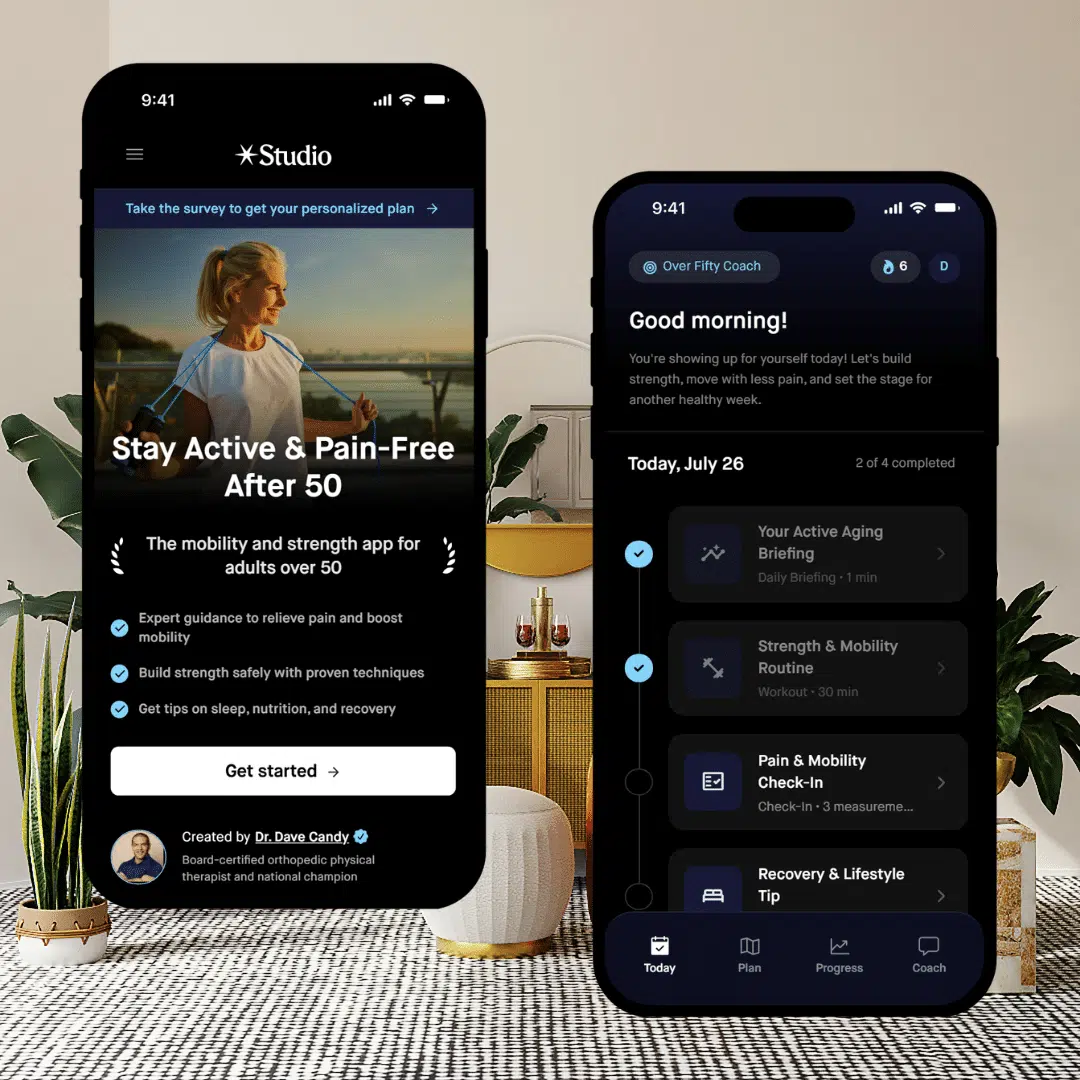
Need Help To Stay Strong and Mobile After 50?
Affiliate Disclosure: This post contains affiliate links to Amazon and/or other sites. While I only recommend products that I trust, as an Amazon Associate, I earn commission from qualifying purchases at no extra cost to you.
Medical Disclaimer: The content on this site is for educational and informational purposes only and is not intended as medical advice. Always consult with a qualified healthcare professional before beginning any new exercise program, diet, or supplement regimen, especially if you have pre-existing health conditions.