
Understanding the Reasons Behind Limping
Do you limp when you walk? If so, you’re not alone. Many individuals, especially those with arthritis or post-knee surgery, experience limping. It’s crucial to understand that limping can be a response to pain or an adjustment to avoid discomfort. This adjustment can lead to a reprogramming of your walking pattern, making it a persistent issue even after the original injury has healed.
Why Do People Limp?
Limping is often a natural reaction to protect an injured body part. For instance, if you sprain your ankle, your body instinctively alters your walking pattern to prevent further damage. However, this change can create a new, habitual way of walking, which might lead to additional injuries and muscle imbalances over time.
Recognizing Limiting Patterns
There are several common limping patterns that can develop:
- Side-to-Side Limps: Often caused by hip weakness, this pattern may lead to conditions like bursitis or IT band syndrome. If you notice yourself leaning to one side, it’s essential to address this imbalance.
- Circumduction: This occurs when you swing your leg around rather than bending your knee, often seen in those recovering from knee surgery.
- Wide Base Gait: A wide stance can be a response to balance issues. This gait can make you feel more stable but can also lead to further problems.
Actionable Steps to Improve Your Walking
To walk without a limp, you need to actively work on correcting these patterns. Here are some strategies to help you:
1. Utilize Assistive Devices
If you’re limping due to injury or pain, using a cane or crutches can be beneficial. Many people fear that assistive devices will make them weaker, but in reality, they can help you maintain muscle strength by allowing you to walk more normally without causing further injury.
2. Practice Balancing on One Leg
Improve your balance by practicing standing on one leg. Start by holding onto a wall or chair for support, then gradually work towards doing it without assistance. Aim to hold the position for 10 seconds, gradually increasing the duration as your strength improves.
3. Correct Side-to-Side Patterns
If you find yourself leaning to one side, focus on keeping your pelvis level. Squeeze the muscles on the side of your hip while standing on one leg to help maintain balance. Start with 5 to 10 seconds and work your way up to longer durations.
4. Address Circumduction
To fix circumduction, concentrate on pushing off the toes of your back leg rather than pulling forward with your heel. This will encourage a more natural knee bend and help you walk more fluidly.
5. Narrow Your Base of Support
If you tend to walk with a wide base, aim to keep your feet aligned with your hips. This will help you maintain balance while also reducing the risk of future injuries.
Conclusion: Taking the Next Step
Walking without a limp is not just about correcting a pattern; it’s about ensuring your overall mobility and health. If you struggle with persistent limping, consider consulting a physical therapist for personalized guidance. They can help design a program tailored to your needs, ensuring you regain your walking ability effectively and safely.
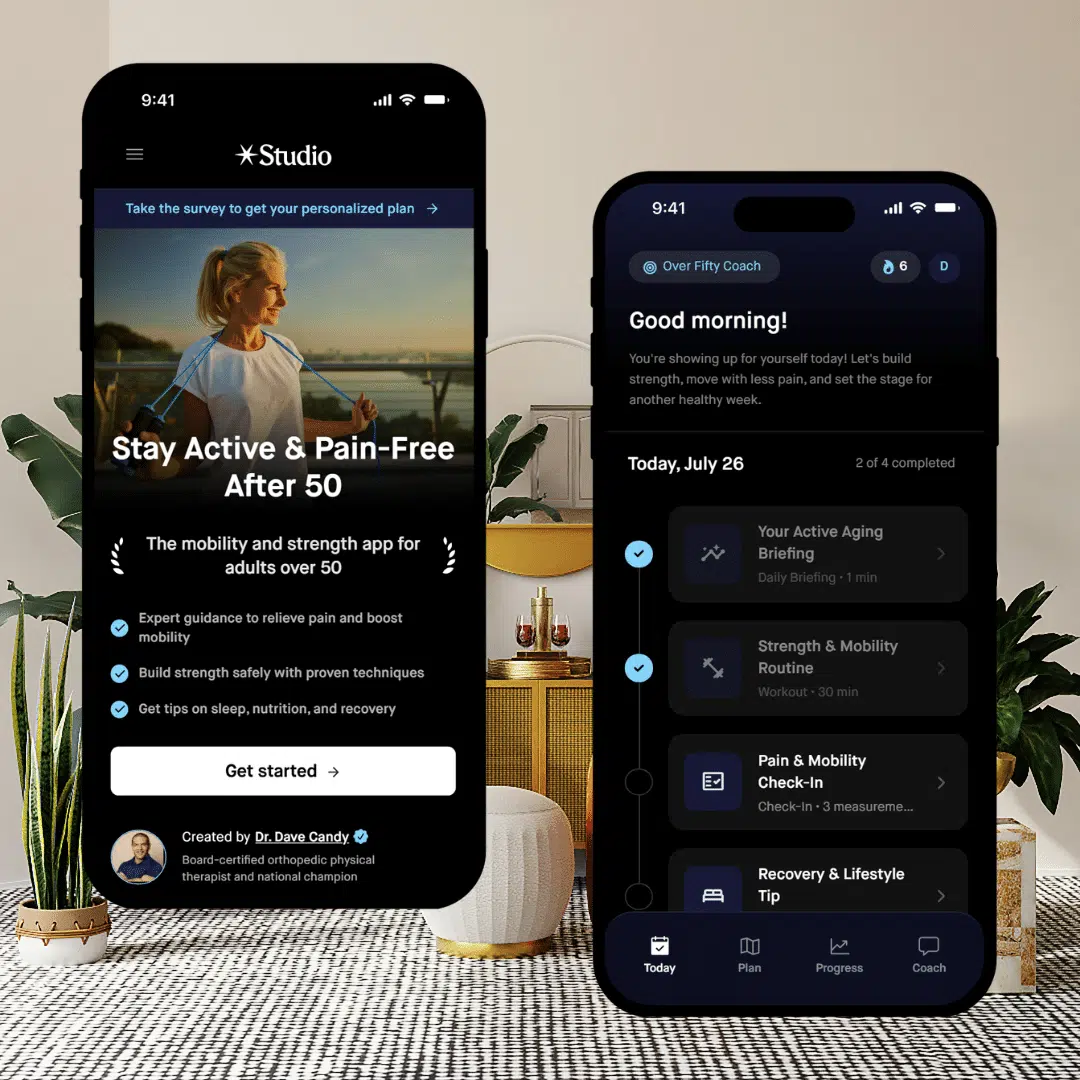
Need Help To Stay Strong and Mobile After 50?
Affiliate Disclosure: This post contains affiliate links to Amazon and/or other sites. While I only recommend products that I trust, as an Amazon Associate, I earn commission from qualifying purchases at no extra cost to you.
Medical Disclaimer: The content on this site is for educational and informational purposes only and is not intended as medical advice. Always consult with a qualified healthcare professional before beginning any new exercise program, diet, or supplement regimen, especially if you have pre-existing health conditions.