
Understanding Walking Pain: Why It Happens
Do you feel like you can hardly walk when you first get up? This common issue can occur in the morning, after sitting for a long time, or even after dining at a restaurant. The good news is that there are effective methods to relieve pain and improve your mobility.
Identifying the Causes of Pain
Stiffness in your hip flexors and calf muscles primarily causes difficulty when attempting to walk after sitting or lying down. These muscle groups can become tight and lead to discomfort as you rise. To tackle this issue, it’s essential to understand how your sitting position affects your body.
Improving Your Sitting Position
To alleviate tightness in your hip flexors while sitting, ensure you sit all the way back against the chair’s backrest. This position allows your hip flexors to relax rather than work excessively as postural muscles. If you’re sitting without back support, your hip flexors may stay contracted, making it harder to stand up straight.
Effective Strategies for Standing Up
Once you’ve adjusted your sitting position, it’s time to focus on how to stand up without pain. Here’s a step-by-step guide:
1. Scoot to the Edge of Your Chair
Begin by moving to the front edge of your chair. This positioning helps shift your center of gravity closer to your feet, making standing easier.
2. Hinge at Your Hips
With a straight back, hinge your hips forward. Avoid rounding your back; instead, keep your spine aligned as you lean forward slightly.
3. Position Your Feet
Bring your feet under your body. This adjustment is crucial for maintaining balance and preparing for your first step.
Taking Your First Steps
When you’re ready to stand up, rise about 75% of the way before taking those first steps. This method helps prevent your back from arching excessively, which can cause pain.
Stretching as You Move
As you begin to walk, take small steps while rolling your pelvis underneath you. This action serves as an active stretch for your hip flexors and calves, which helps reduce stiffness. It’s normal to feel slightly bent over for the first couple of steps, but this is part of the process.
Why Small Steps Matter
Small steps are beneficial because they help prevent over-pronation, which can lead to knee and foot pain. If your calves are stiff, they can cause compensatory movements that result in discomfort. By focusing on smaller steps, you reduce the strain on your knees and feet.
Long-Term Solutions
To further prevent stiffness and pain, incorporate stretching into your daily routine. Regularly stretching your hip flexors and calf muscles can enhance your mobility and comfort when transitioning from sitting to standing.
Conclusion: Next Steps to Take
If you find yourself struggling with pain when getting up, remember to pay attention to your sitting and standing techniques. By making adjustments and incorporating stretches, you can improve your comfort and mobility. If the pain persists, consider seeking professional help from a physical therapist.
By following these tips, you should be able to stand up and walk with less discomfort and regain your independence in daily activities.
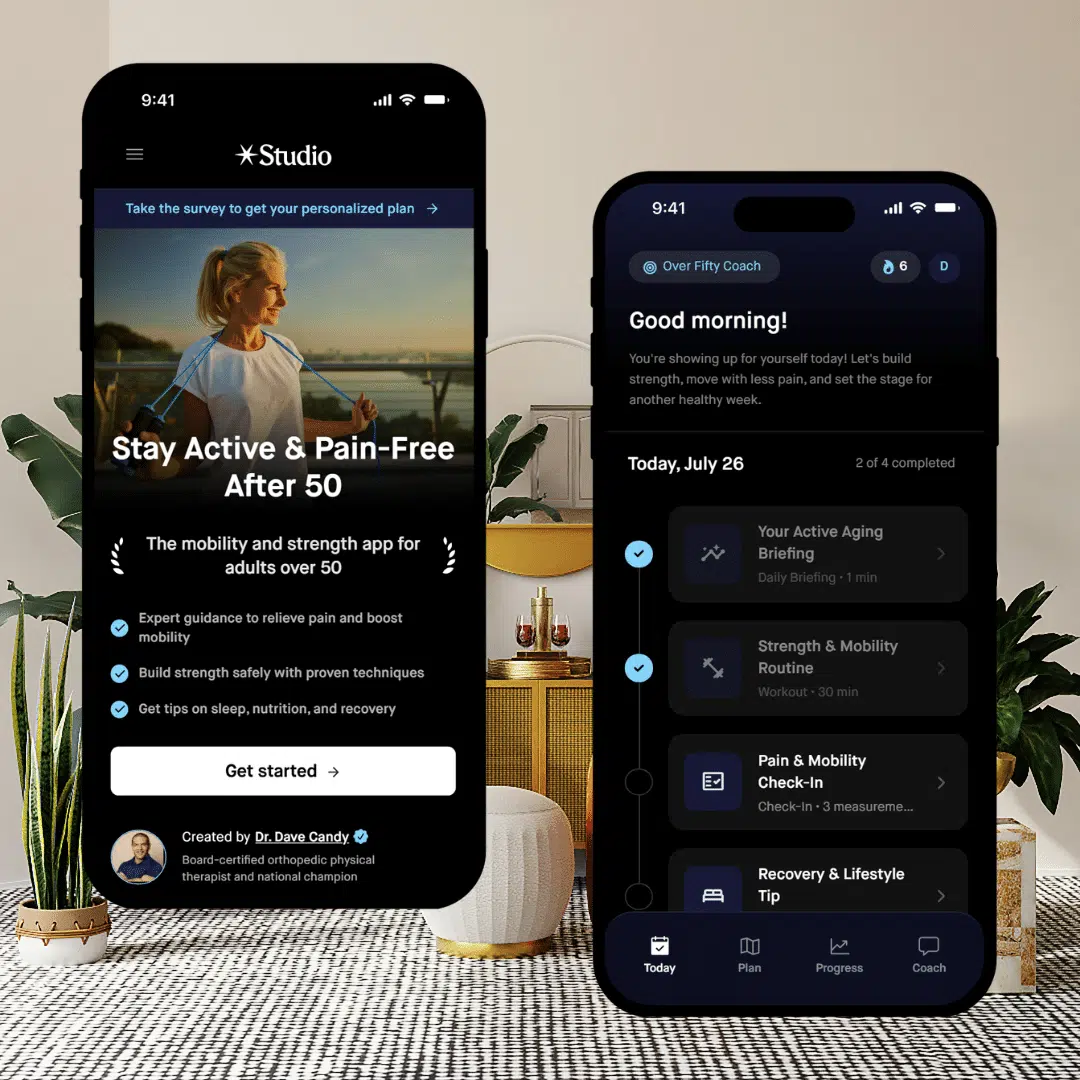
Need Help To Stay Strong and Mobile After 50?
Affiliate Disclosure: This post contains affiliate links to Amazon and/or other sites. While I only recommend products that I trust, as an Amazon Associate, I earn commission from qualifying purchases at no extra cost to you.
Medical Disclaimer: The content on this site is for educational and informational purposes only and is not intended as medical advice. Always consult with a qualified healthcare professional before beginning any new exercise program, diet, or supplement regimen, especially if you have pre-existing health conditions.