
Is Achilles Tendonitis Painful? Understanding the Condition
Achilles tendonitis is a common concern for runners and active individuals. Many wonder, is Achilles tendonitis painful? While true inflammatory achilles tendonitis is painful, it’s not as common as other conditions affecting the tendon. Understanding the symptoms and appropriate treatment can help you manage this condition effectively.
Defining Achilles Tendonitis
The term ‘tendonitis’ refers to inflammation of the tendon, which is often a result of an acute injury. This could happen during activities like sprinting or jumping. The typical signs of inflammation include redness, warmth, swelling, and pain. However, true Achilles tendonitis is rare. More frequently, individuals experience a condition known as Achilles tendinopathy, which is characterized by a gradual degeneration of the tendon without significant inflammation.
Signs of Achilles Tendinopathy
Unlike typical tendonitis, tendinopathy often manifests as tightness or an ache in the calf area rather than immediate pain. This condition can develop over time due to repetitive activities such as running or sports, particularly in those who are not regularly active.
What to Do When Experiencing Symptoms
If you suspect you have Achilles tendonitis or tendinopathy, it’s essential to assess your symptoms. The first step is to recognize the warning signs and understand whether you are dealing with an acute injury or a chronic issue.
Managing Acute Achilles Tendonitis
In the case of inflammatory Achilles tendonitis, the best approach is to rest the affected area. Pain serves as a warning signal, indicating that you should cease activities that may exacerbate the injury. Allowing the tendon to heal is crucial, and most acute cases resolve within two weeks if treated appropriately.
Addressing Achilles Tendinopathy
For those experiencing chronic tendinopathy, the focus should be on rebuilding the oxygen-carrying capacity of the tendon. Unlike acute injuries, where rest is beneficial, tendinopathy requires increased blood flow to the affected area. Engaging in gentle exercises can help facilitate this.
Effective Exercises for Rehabilitation
One of the most effective methods for reconditioning the Achilles tendon is through high-repetition calf raises. The traditional approach, known as the Alfredson protocol, suggests performing three sets of 15 calf raises twice a day, both with the knee straight and bent. However, newer research indicates that you can perform as many calf raises as comfortable throughout the day to gradually strengthen the tendon.
Identifying Underlying Causes
It’s important to understand that simply doing calf raises will not fix the underlying issue. Many times, achilles tendinopathy develops due to factors such as:
- Overtraining or inadequate rest between sessions
- Poor running mechanics
- Improperly fitted or worn-out shoes
Addressing these factors is crucial to prevent recurrence and achieve long-term recovery.
Next Steps for Recovery
If you are struggling with Achilles tendonitis or tendinopathy, consider reaching out to a healthcare professional for guidance. A physical therapist can help assess your condition, recommend personalized exercises, and provide strategies to prevent future injuries. Remember, understanding your condition and addressing it early can lead to more effective recovery and a return to your preferred activities.
Taking proactive steps will not only help you manage your symptoms but can also enhance your overall well-being. Don’t ignore the warning signs; listen to your body and take the necessary actions to heal.
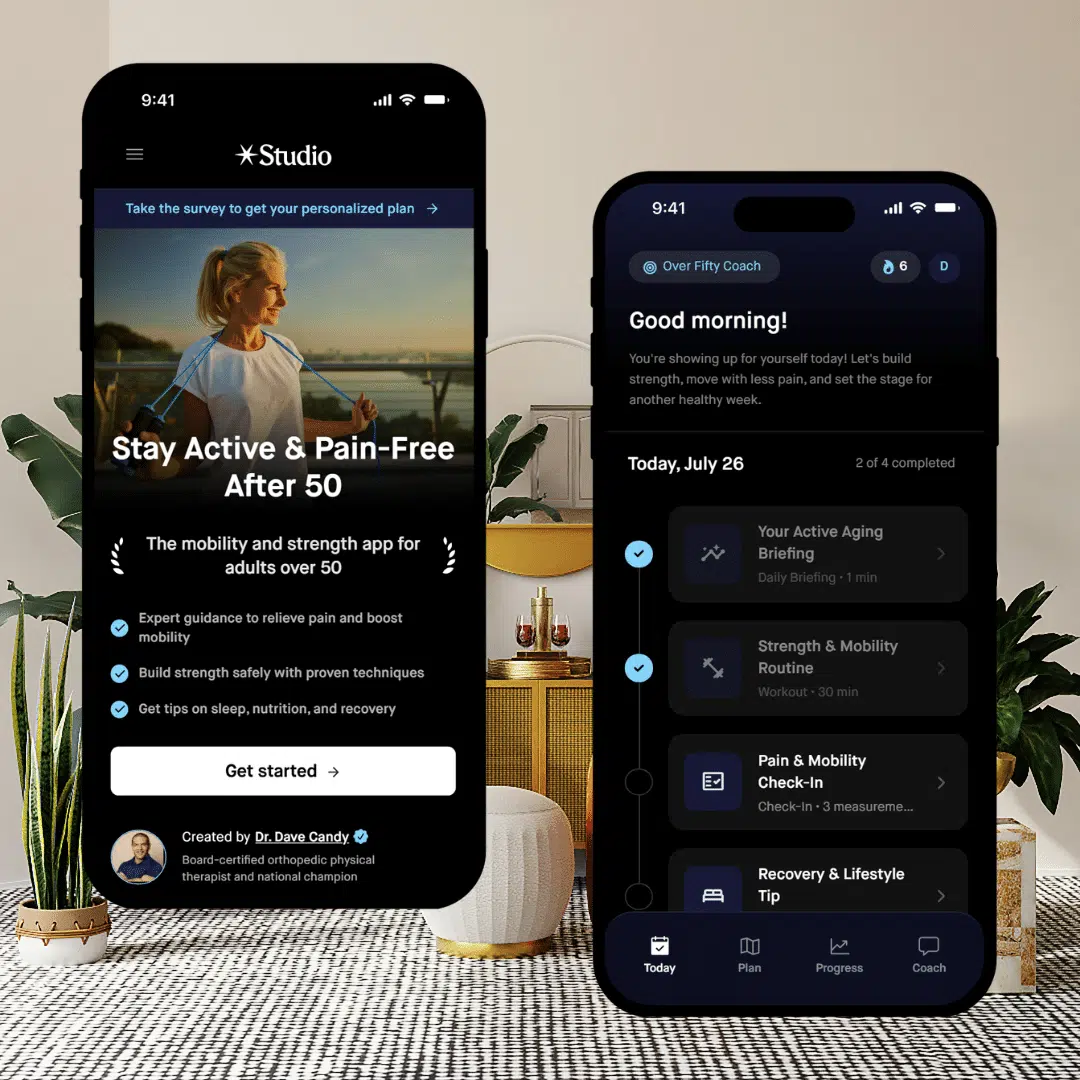
Need Help To Stay Strong and Mobile After 50?
Affiliate Disclosure: This post contains affiliate links to Amazon and/or other sites. While I only recommend products that I trust, as an Amazon Associate, I earn commission from qualifying purchases at no extra cost to you.
Medical Disclaimer: The content on this site is for educational and informational purposes only and is not intended as medical advice. Always consult with a qualified healthcare professional before beginning any new exercise program, diet, or supplement regimen, especially if you have pre-existing health conditions.