
Understanding Safety Straps and Safety Bars
When it comes to ensuring safety during weightlifting, the debate between safety straps and safety bars is common among fitness enthusiasts. Both options can provide crucial protection if used correctly, yet they have distinct advantages and disadvantages. This guide will help you decide which safety mechanism is right for your workouts.
Advantages of Safety Straps
Safety straps offer a unique cushioning effect that can be beneficial during exercises such as squats. These straps are designed to absorb the impact of a dropped barbell, which can help prevent injury and protect your equipment. Many find that safety straps provide a more forgiving landing, allowing the bar to sink into the strap instead of bouncing or rattling off hard surfaces.
Customizable Setup
One of the standout features of safety straps is their customizable setup. Unlike rigid safety bars that must be placed at a fixed height, safety straps can be adjusted to different levels. This flexibility allows you to tailor your safety setup according to your lifting style and comfort level. For example, when performing back squats, positioning the front end of the strap higher can ensure that the bar rolls away from your body in case of a mishap.
Benefits of Safety Bars
On the other hand, safety bars provide a stable and rigid support system. They are designed to catch the barbell in case of a failed lift, preventing it from falling onto the lifter. Safety bars are especially valuable for beginners or those lifting heavier weights, as they can instill a greater sense of security when attempting challenging lifts.
Preventing Imbalance
Another advantage of safety bars is their ability to create a structured lifting environment. If you accidentally hit a safety bar during your lift, it is less likely to throw you off balance compared to safety straps. This stability can be crucial for maintaining proper form and preventing injuries during intense workouts.
Selecting the Right Safety Solution
Choosing between safety straps and safety bars often depends on personal preference and workout style. Consider the following factors when making your decision:
- Type of Exercise: Different exercises may benefit from different types of safety equipment. For example, squats may require more forgiving safety straps, while bench presses might be better suited for rigid safety bars.
- Weight Capacity: Ensure that whatever option you choose can withstand the maximum weight you plan to lift. Most safety straps are rated to hold up to 1,000 pounds.
- Compatibility: If you are retrofitting your rack with safety straps, ensure they fit your specific rack size and design.
Installation and Setup
When installing safety straps, it’s crucial to consider the dimensions of your power rack. Standard options from well-known brands like Titan, Rep, and Rogue are designed to fit their specific models, but if you’re retrofitting, measure the post size and hole diameter carefully. For example, a 2×2 post with 1-inch holes will require straps designed for that size.
Shop Safety Straps on Amazon (affiliate links)
Marlang 2″ x 2″ rack, 1″ hole, 47.24″ length
Marlang 3″ x 3″ rack, 0.7″ hole, 31.45″ length
Synergee 2″ x 2″ rack, 5/8″ or 1″ hole, 23″ length
Synergee 2″ x 3″ rack, 5/8″ or 1″ hole, 29″ length
Synergee 3″ x 3″ rack, 5/8″ or 1″ hole, 35″ length
Adjusting Strap Length
When selecting safety straps, pay attention to the length. Ideally, you want a strap that is slightly longer than your rack’s distance to ensure it’s not overly taut, allowing for a bit of give when the bar comes down. A strap that’s too short may not function effectively, while one that’s too long may sag excessively.
Conclusion: Prioritize Safety
No matter which option you choose, the most important aspect of weightlifting safety is to utilize some form of protective equipment. Whether you opt for safety straps or safety bars, using these tools will significantly reduce the risk of injury. Always prioritize your safety and ensure that your setup is conducive to a safe lifting environment.
For anyone serious about their lifting routines, investing in the right safety equipment is a no-brainer. Remember, the goal is to lift effectively and safely!
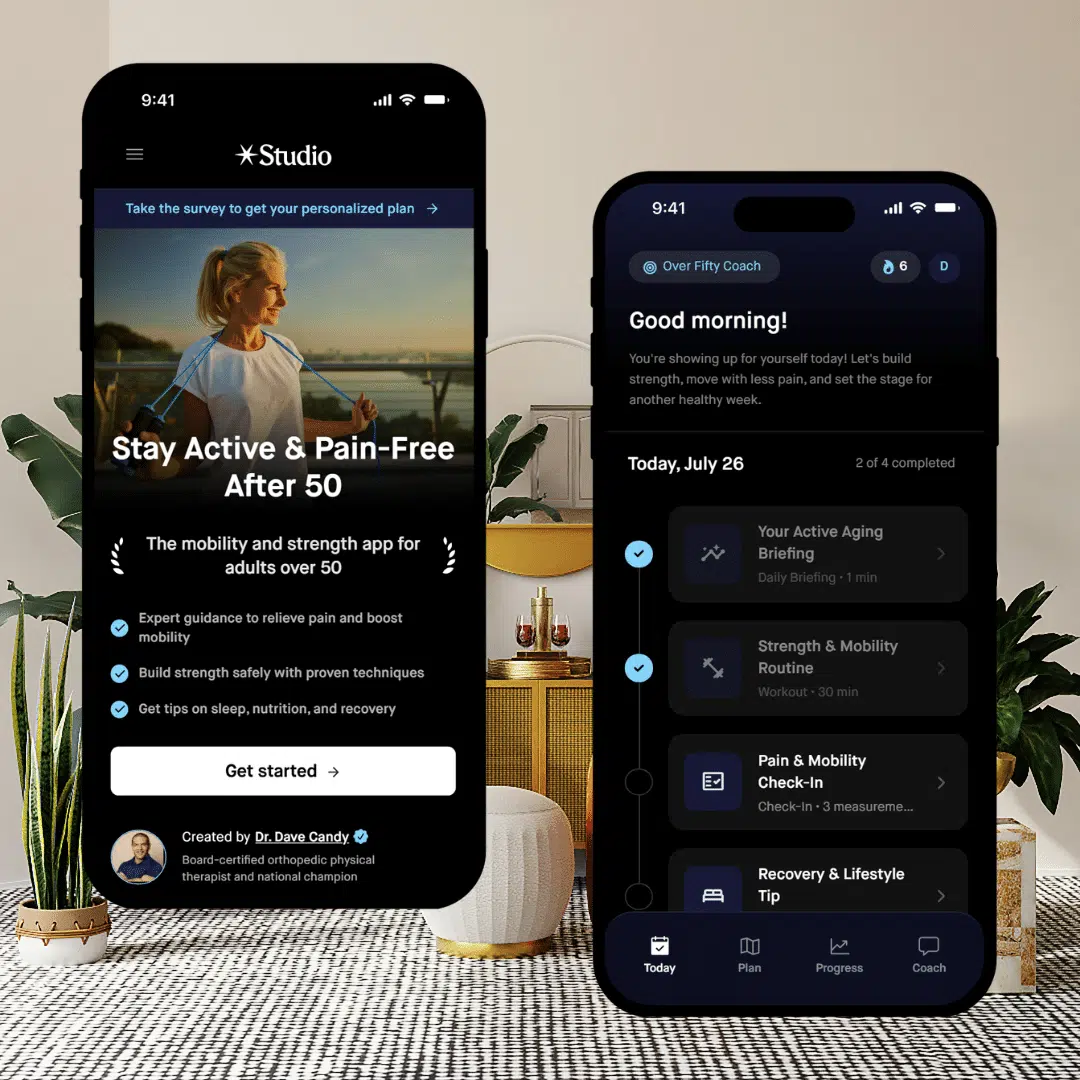
Need Help To Stay Strong and Mobile After 50?
Affiliate Disclosure: This post contains affiliate links to Amazon and/or other sites. While I only recommend products that I trust, as an Amazon Associate, I earn commission from qualifying purchases at no extra cost to you.
Medical Disclaimer: The content on this site is for educational and informational purposes only and is not intended as medical advice. Always consult with a qualified healthcare professional before beginning any new exercise program, diet, or supplement regimen, especially if you have pre-existing health conditions.