
Understanding Heel Pain: Achilles Tendonitis vs. Plantar Fasciitis
Heel pain is a common issue that many individuals experience, and it can stem from various conditions, primarily Achilles tendonitis and plantar fasciitis. Knowing the difference between these two conditions is crucial for effective treatment and recovery.
Common Causes of Heel Pain
While Achilles tendonitis and plantar fasciitis are the most prevalent causes of heel pain, other factors may contribute as well. For instance, discomfort can originate from the lower back, particularly from the L5 and S1 joints, and refer pain down the leg into the foot. Although less common, this type of pain can sometimes manifest as heel pain.
Understanding Achilles Tendonitis
Achilles tendonitis typically presents as pain at the back of the heel or along the sides. There are two main types: mid-substance tendonitis and insertional tendonitis. Mid-substance tendonitis refers to inflammation in the middle section of the tendon, while insertional tendonitis occurs where the tendon attaches to the heel bone.
Identifying Plantar Fasciitis
On the other hand, plantar fasciitis usually causes pain in the arch of the foot or directly on the bottom of the heel. A classic symptom is experiencing sharp pain with the first steps in the morning, as the plantar fascia tightens overnight.
Key Differences Between Conditions
To differentiate between Achilles tendonitis and plantar fasciitis, pay attention to the pain’s location. Achilles pain is generally felt at the back or sides, while plantar fasciitis pain primarily occurs on the bottom of the foot.
Common Mechanics Leading to Heel Pain
Overpronation or underpronation can lead to both conditions. Overpronation occurs when the foot excessively flattens, while underpronation happens when the foot maintains a high arch. Both can place undue stress on the Achilles tendon and plantar fascia, leading to pain.
Factors Contributing to Achilles Tendon Pain
Several factors can contribute to Achilles tendon pain, including:
- Improper running mechanics
- Sudden increases in activity level
- Being on your feet for extended periods
- Wearing inappropriate footwear
Individuals who lead a sedentary lifestyle and then suddenly engage in high-impact sports or activities are particularly at risk. These sudden changes can lead to overuse injuries.
Effective Treatments for Heel Pain
To manage and treat heel pain effectively, it’s essential to focus on:
1. Flexibility and Strengthening
Maintaining flexibility in the calf muscles and ankle joint is crucial. Gentle stretching exercises can help improve flexibility without overstretching the Achilles tendon. Eccentric heel raises are particularly beneficial for strengthening the Achilles tendon.
2. Footwear Choices
Choosing the right shoes can significantly impact recovery. For acute injuries, wearing shoes with a slight heel lift can help offload the tendon. However, this should be a temporary solution while incorporating calf stretches to prevent stiffness.
3. Orthotics
In some cases, orthotics can provide support and correct abnormal foot mechanics. Over-the-counter options may work for mild cases, while custom orthotics might be necessary for more severe conditions.
Long-Term Management Strategies
To prevent recurrence, it’s important to:
- Gradually increase activity levels
- Focus on proper running mechanics
- Select appropriate footwear
If you continue to experience heel pain despite self-treatment, consider consulting a specialist. They can help identify the root cause and provide tailored solutions to get you back to your activities pain-free.
Conclusion
Understanding whether your heel pain is due to Achilles tendonitis or plantar fasciitis is essential for effective treatment. By recognizing the differences and implementing appropriate strategies, you can alleviate your pain and prevent future issues. If you need help, don’t hesitate to reach out to a healthcare professional for personalized advice and treatment options.
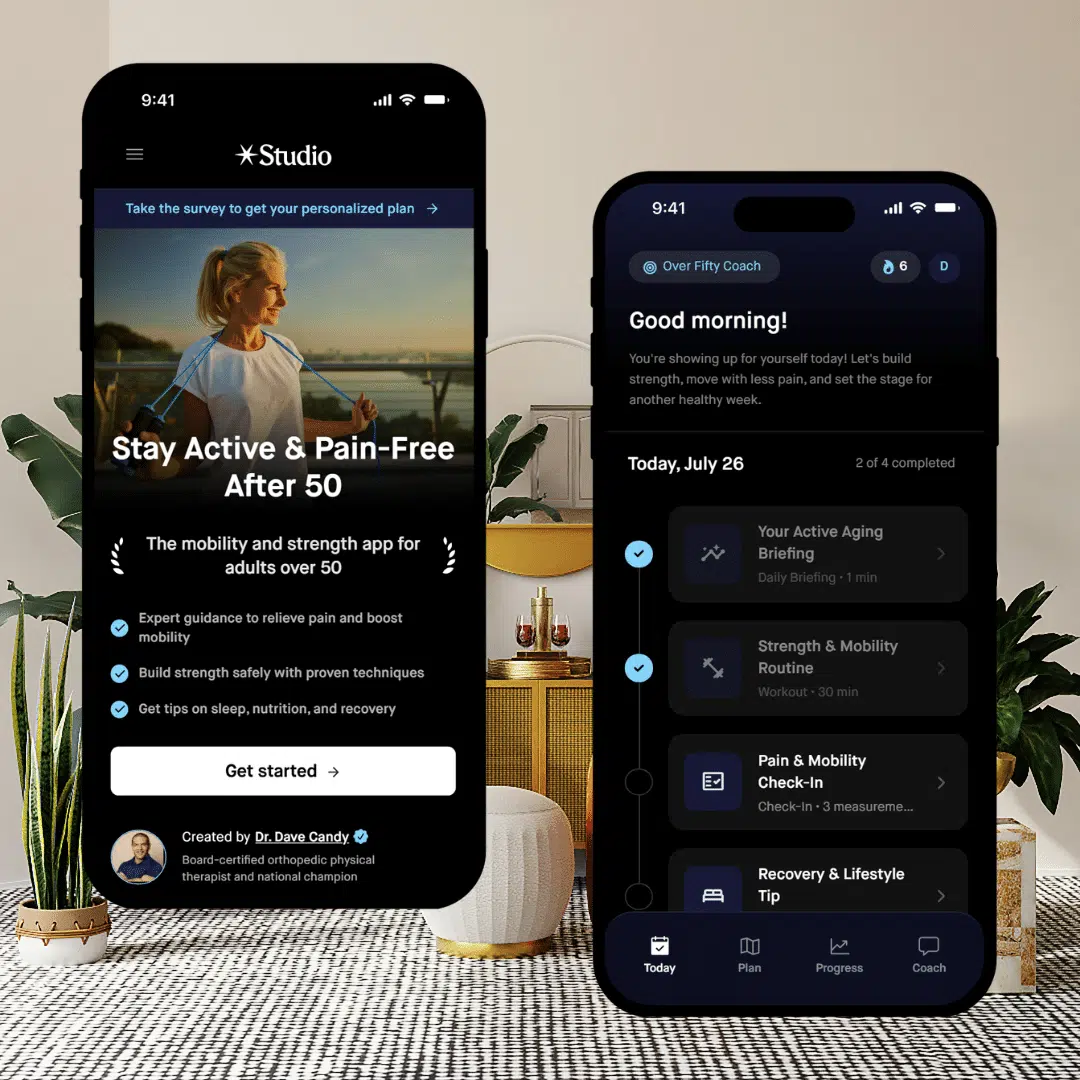
Need Help To Stay Strong and Mobile After 50?
Affiliate Disclosure: This post contains affiliate links to Amazon and/or other sites. While I only recommend products that I trust, as an Amazon Associate, I earn commission from qualifying purchases at no extra cost to you.
Medical Disclaimer: The content on this site is for educational and informational purposes only and is not intended as medical advice. Always consult with a qualified healthcare professional before beginning any new exercise program, diet, or supplement regimen, especially if you have pre-existing health conditions.