
Introduction to Pain in the Butt
If you are experiencing pain in the butt, you are not alone. This common issue is often annoying and can disrupt daily activities. While it may not be life-threatening, understanding the causes and solutions can greatly improve your quality of life.
What Causes Pain in the Butt?
Pain in the butt can arise from various musculoskeletal and nervous system issues. The most common source is often related to the lower back. The joints in the lower back can refer pain down into the buttocks, causing discomfort that may feel localized.
Understanding Sciatica
Another frequent culprit is the sciatic nerve. Pain may radiate from the lower back, through the butt, and down the leg. This condition, commonly referred to as sciatica, results from compression of the nerve roots in the lower back.
Muscle-Related Issues
Pain can also stem from the gluteal muscles or hamstring muscles. Tightness in these areas can result in pain at the base of the butt, particularly if you sit for long periods. Additionally, muscle imbalances can weaken the gluteal muscles, leading to discomfort.
How to Identify the Source of Your Pain
To determine the origin of your pain in the butt, it’s essential to observe how different movements affect your discomfort. For instance, if leaning backward exacerbates the pain, it likely relates to the lower back joints. Conversely, if standing or walking intensifies the pain, it could be a sign of nerve involvement.
Assessing Symptoms
Pay attention to whether bending forward provides relief. This can indicate that the pain is indeed coming from your lower back. If your pain is consistent during prolonged standing, this may also suggest a connection to the back.
Effective Treatment Options
Once you identify the source, various treatments can help alleviate the pain. Here are some actionable steps:
Posture Correction
Adjusting your posture can significantly relieve pain. Try to stand with less arch in your back and lean slightly forward to open up the spaces where nerves exit the spine. This adjustment can relieve pressure and reduce discomfort.
Stretching and Strengthening
Incorporate appropriate stretches and strengthen those areas. If your pain is due to tight muscles, perform piriformis and hip rotator stretches. However, if your muscles are already lengthened and weak, focus on strength training instead.
Trigger Point Therapy
Muscles that are painful often develop trigger points, which are tight knots that restrict movement and blood flow. Manual trigger point therapy or self-massage with a tennis ball can help alleviate this tension. For persistent issues, consider professional treatments such as dry needling.
When to Seek Professional Help
If you’re struggling to manage your pain, consider consulting a physical therapist. They can help identify the specific cause and provide tailored treatment options to get you back to normal. Whether it’s trigger point therapy, strengthening exercises, or manual therapy, professional guidance can make a significant difference.
Conclusion
Pain in the butt can be a frustrating experience but understanding its causes and implementing effective solutions can lead to relief. Whether through posture adjustments, strengthening exercises, or professional therapy, a proactive approach can help you reclaim your comfort and mobility.
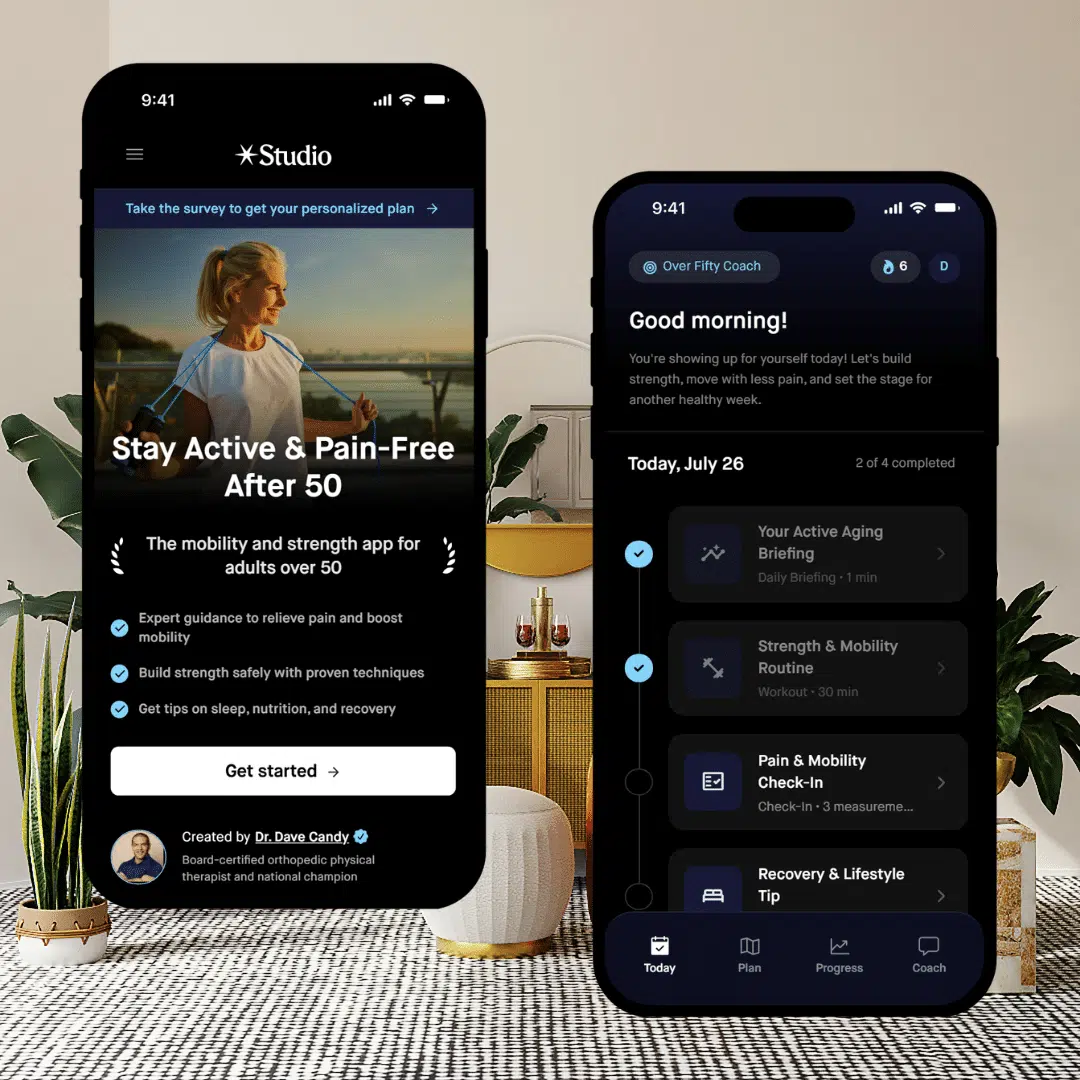
Need Help To Stay Strong and Mobile After 50?
Affiliate Disclosure: This post contains affiliate links to Amazon and/or other sites. While I only recommend products that I trust, as an Amazon Associate, I earn commission from qualifying purchases at no extra cost to you.
Medical Disclaimer: The content on this site is for educational and informational purposes only and is not intended as medical advice. Always consult with a qualified healthcare professional before beginning any new exercise program, diet, or supplement regimen, especially if you have pre-existing health conditions.