
Introduction: Understanding Hip Pain with Arthritis
If you have been diagnosed with hip arthritis, you may be concerned about what that means for your pain and mobility. Many people worry about needing a hip replacement, but the good news is that most individuals with hip arthritis do not require this invasive procedure. In this article, we will explore the common causes of hip pain, how to determine if your pain stems from arthritis, and actionable steps to alleviate your discomfort.
Common Causes of Hip Pain
Hip arthritis typically manifests as pain in the groin area, as the joint is a ball-and-socket structure located there. It’s important to note that while arthritis can cause discomfort, not all hip pain originates from the hip joint itself. Pain on the outside of the hip may arise from muscle referral, particularly from gluteal muscles or the iliotibial (IT) band, rather than from arthritis.
Identifying the Source of Pain
To effectively treat hip pain, it is crucial to identify its source. If you experience pain in the groin, it may indicate arthritis. Conversely, if your discomfort is on the side or back of the hip, it is likely due to another cause. This understanding can prevent unnecessary worry about needing a hip replacement.
Understanding Arthritis Severity through X-Rays
When visiting a doctor for hip pain, an X-ray is often the first step. Radiologists use the Kellgren-Lawrence scale to assess the severity of arthritis based on joint space and the presence of bone spurs. A normal X-ray shows equal joint space, while higher grades reflect increasing severity:
- Grade 0: Normal joint space
- Grade 1: Mild changes, nearly normal
- Grade 2: Moderate changes, some bone spurring
- Grade 3: More significant narrowing and bone spurs
- Grade 4: Severe narrowing and multiple osteophytes
Knowing the grade of your hip arthritis can guide treatment options and help assess the need for further intervention.
Actionable Steps to Alleviate Hip Pain
There are several strategies you can employ to help alleviate hip pain associated with arthritis, focusing on both strength and flexibility.
Strengthening Exercises
Building strength in the hip muscles is essential. Consider incorporating balance exercises, such as:
- Standing on one leg without letting your pelvis drop.
- Side leg raises to strengthen the gluteal muscles.
- Bridges to engage the posterior chain.
These exercises help stabilize the hip joint and reduce discomfort.
Mobility Stretches
Improving flexibility is equally important. Try these mobility stretches:
- Knees to chest: Lying on your back, gently pull your knees towards your chest.
- Hip cross-body stretch: While sitting or lying down, bring one knee across your body while keeping your shoulders grounded.
- Piriformis stretch: Sit and cross one leg over the other, gently pulling your knee towards your opposite shoulder.
Be cautious not to push through pain, especially in the groin area, as this could exacerbate the issue.
Consider Professional Help
If you struggle to determine the cause of your hip pain or if self-management techniques are insufficient, seeking professional guidance is advisable. A physical therapist can offer valuable insights and hands-on treatment to enhance your mobility and relieve discomfort.
Conclusion: Taking Control of Your Hip Pain
Understanding the nuances of hip pain and arthritis is crucial for effective management. By recognizing the source of your pain, utilizing appropriate exercises, and considering professional help, you can take proactive steps toward alleviating your discomfort. Remember, not all hip pain means you need a hip replacement. With the right approach, you can improve your quality of life.
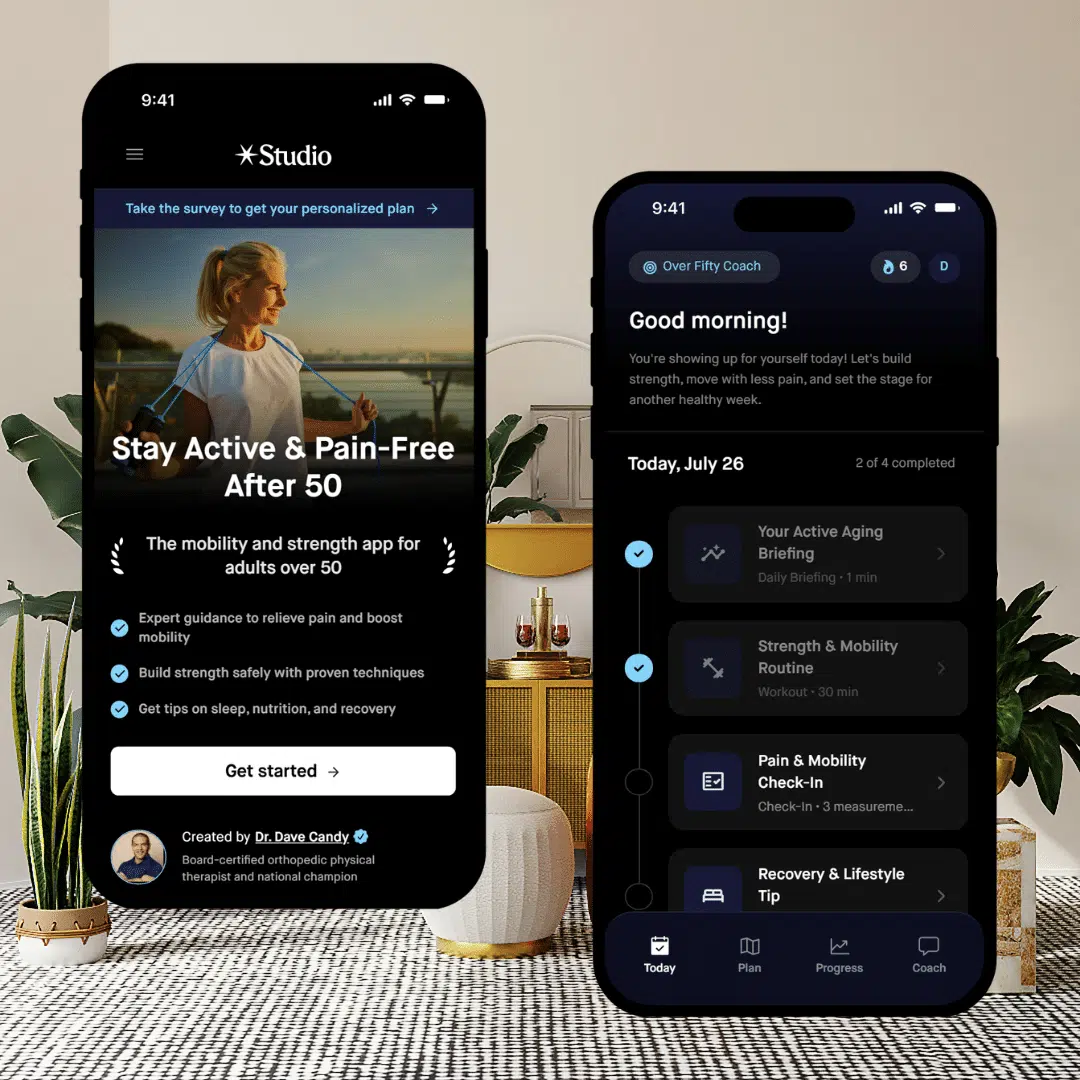
Need Help To Stay Strong and Mobile After 50?
Affiliate Disclosure: This post contains affiliate links to Amazon and/or other sites. While I only recommend products that I trust, as an Amazon Associate, I earn commission from qualifying purchases at no extra cost to you.
Medical Disclaimer: The content on this site is for educational and informational purposes only and is not intended as medical advice. Always consult with a qualified healthcare professional before beginning any new exercise program, diet, or supplement regimen, especially if you have pre-existing health conditions.