
Understanding Muscle Building After 50
As you age, building muscle can become increasingly challenging. If you’re over 50 and struggling to gain muscle despite your workout efforts, the issue may not lie within your training routine. Research indicates that training hard and regularly can still yield results, regardless of the specific exercises or repetitions you perform. However, many individuals unknowingly sabotage their muscle-building efforts with their diets.
The Role of Anabolic Resistance
As we age, our bodies develop a condition known as anabolic resistance. This means our bodies become less responsive to dietary signals that promote muscle growth. To counteract this, you may need to increase your caloric intake, particularly if you want to build muscle. This necessity extends beyond protein alone, although protein remains a crucial component.
Daily Protein Requirements
Research suggests that older adults require approximately 1.2 to 2.0 grams of protein per kilogram of body weight each day. In simpler terms, this translates to about 0.55 to 0.91 grams of protein for every pound of body weight. To make the calculations easier, aim for 0.7 to 1.0 grams of protein per pound of body weight. For example:
- If you weigh 100 lbs, aim for 70 to 100 grams of protein daily.
- If you weigh 150 lbs, aim for 105 to 150 grams of protein daily.
- If you weigh 200 lbs, aim for 140 to 200 grams of protein daily.
Essential Amino Acids Matter
In addition to total protein intake, ensure you are consuming all nine essential amino acids. If you derive protein from animal sources like meat, eggs, and dairy, you’re likely covered. However, if you’re vegetarian or vegan, it’s crucial to diversify your protein sources to achieve a complete amino acid profile.
Caloric Intake for Muscle Building
Calories are equally important for muscle growth. If protein serves as the bricks for building muscle, calories provide the labor required to construct it. To maintain your current muscle mass, you need around 13 to 15 calories per pound of body weight. To actually gain muscle, you’ll need to increase this to approximately 16 to 18 calories per pound.
Calculating Your Caloric Needs
For example, if you weigh 150 lbs, you’ll need:
- 1,950 to 2,250 calories daily just to maintain muscle mass.
- 2,400 to 3,000 calories daily to gain muscle.
Many older adults consume significantly fewer calories, often falling short of even their maintenance needs. This can severely impact muscle growth.
Lean Body Mass and Caloric Needs
If you’re outside the normal body fat range, you might consider calculating your caloric needs based on lean body mass. For instance, if you weigh 100 lbs and have 20% body fat, your lean mass is 80 lbs. Multiply by 20 to 22 calories to determine your caloric needs for muscle building.
Diet Quality Matters
When discussing caloric intake, the quality of those calories is essential. Consuming 500 calories from vegetables is vastly different than consuming the same amount from processed snacks. Aim to limit your intake of overly processed foods, as they often lack necessary vitamins, minerals, and fiber. Incorporating a general multivitamin can also help fill in any nutritional gaps.
Weight Loss and Muscle Preservation
If your goal is weight loss, be cautious. Older adults should aim for a calorie deficit of 10 to 12 calories per pound of body weight. Going below this range can lead to muscle loss, resulting in an unfavorable body composition even if the scale shows a decrease.
Next Steps for Building Muscle Over 50
It’s crucial to assess your current dietary habits. Are you consuming enough calories and protein to support muscle growth? Consider tracking your intake to ensure you’re meeting your needs. For those looking for further guidance, consult with a nutritionist or dietitian who specializes in aging populations.
Building muscle after 50 is achievable with the right approach to nutrition and strength training. By addressing your dietary needs, you can lay the foundation for a stronger, healthier future.
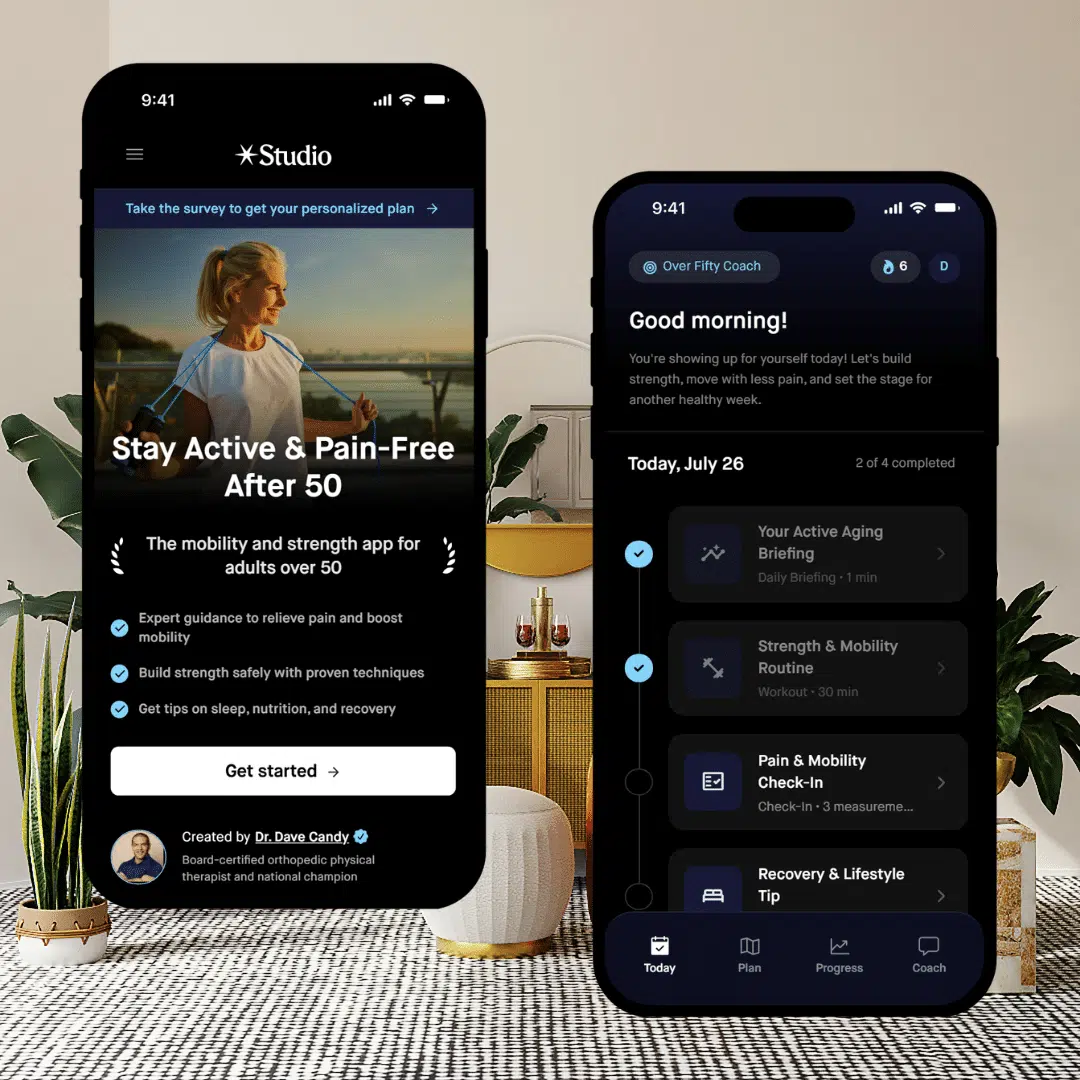
Need Help To Stay Strong and Mobile After 50?
Affiliate Disclosure: This post contains affiliate links to Amazon and/or other sites. While I only recommend products that I trust, as an Amazon Associate, I earn commission from qualifying purchases at no extra cost to you.
Medical Disclaimer: The content on this site is for educational and informational purposes only and is not intended as medical advice. Always consult with a qualified healthcare professional before beginning any new exercise program, diet, or supplement regimen, especially if you have pre-existing health conditions.