
Understanding Stiffness After Sitting
Do you often feel stiff when you first stand up after sitting? This discomfort can occur in anyone, not just older individuals or those with osteoarthritis. The real culprit may be hypermobility, where joints move excessively, leading to instability and stiffness. Understanding the causes of stiffness can help you take actionable steps towards relief.
Why Do We Get Stiff?
Stiffness often arises from prolonged periods of inactivity. When sitting, especially without back support, stabilizing muscles are engaged for too long, resulting in knots or trigger points. This tension can create an accumulation of chemicals, such as lactic acid, leading to discomfort and stiffness when transitioning from sitting to standing.
The Role of Posture
Maintaining a neutral spinal alignment while sitting is essential. An ideal posture minimizes strain on your body and can prevent stiffness. However, few of us can maintain perfect posture at all times. Therefore, it’s crucial to make adjustments to your sitting arrangement.
Three Actionable Tips for Relief
1. Optimize Your Sitting Position
To reduce stiffness, ensure your spine is aligned correctly. Use the backrest of your chair to support your back. This will help maintain a neutral position without excessive muscle strain. Adjust your chair height so that your feet are flat on the ground. If necessary, use a footrest to enhance comfort.
2. Incorporate Movement
Movement is vital. Regularly shift your position, whether it’s moving your knees, arching your back, or simply adjusting your sitting posture. This encourages blood flow and can significantly alleviate stiffness. Remember, hypermobile conditions often feel better when you’re moving, so don’t hesitate to make minor adjustments throughout your sitting period.
3. Standing Up Correctly
When it’s time to stand, scoot to the front edge of your chair. This positioning brings your center of gravity over your feet, which makes standing easier. Lean slightly forward as you stand up, and consider pushing yourself back into the chair with your feet if you have issues with cartilage or joint stability. Aim to rise about 75% of the way before taking a small step, which will help you fully straighten up more comfortably.
Additional Tips for Comfort
If sitting for extended periods is unavoidable, try using an ergonomic chair that allows for some reclining while still maintaining back support. This can help distribute weight evenly and reduce strain on your spine. Remember, it’s entirely natural to recline, as historical figures did, provided you have the right support.
Final Thoughts
Feeling stiff after sitting doesn’t have to be a part of your daily routine. By optimizing your sitting position, incorporating movement, and understanding the best way to stand up, you can alleviate discomfort effectively. Start implementing these tips today to experience more comfort and mobility in your daily life.
For more insights on staying mobile and pain-free, consider exploring additional resources that focus on health and wellness.
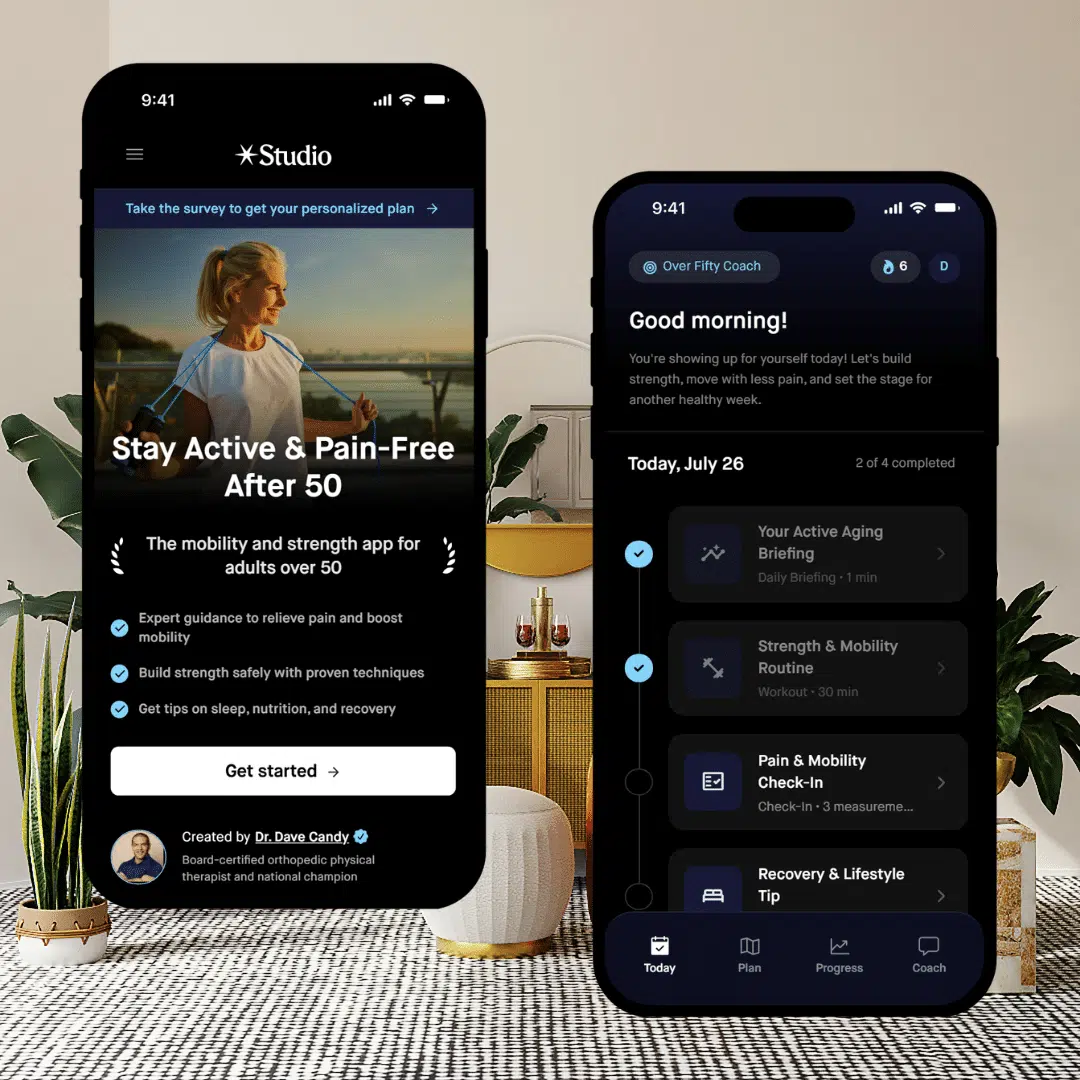
Need Help To Stay Strong and Mobile After 50?
Affiliate Disclosure: This post contains affiliate links to Amazon and/or other sites. While I only recommend products that I trust, as an Amazon Associate, I earn commission from qualifying purchases at no extra cost to you.
Medical Disclaimer: The content on this site is for educational and informational purposes only and is not intended as medical advice. Always consult with a qualified healthcare professional before beginning any new exercise program, diet, or supplement regimen, especially if you have pre-existing health conditions.