
Introduction
As we age, many of us notice changes in our posture, leading to a hunched-over appearance. This common issue affects individuals over the age of 60, but the good news is that you can take steps to improve your posture. In this article, we will explore the causes of walking hunched over and provide actionable exercises to help you stand tall and walk confidently.
Understanding the Causes of Hunched Posture
Two primary issues contribute to a hunched posture: excessive rounding in the upper back, known as thoracic kyphosis, and stiffness in the hip flexors. Both can lead to discomfort and affect your balance and mobility.
Thoracic Spine Rounding
The first problem is excessive rounding in your upper back or thoracic spine. Often, this results from years of poor posture, especially if you spend long hours working at a desk or using a computer. Many people attempt to correct this by simply standing up tall. However, if your thoracic spine is stiff, you may inadvertently hyperextend your lower back, leading to pain and discomfort.
Fixing Thoracic Spine Stiffness
To address stiffness in the thoracic spine, try this exercise:
- Stand with your back against a wall, ensuring your lower back is flat against it.
- Walk your feet out a foot or two away from the wall.
- Bring your chest and shoulders back towards the wall, aiming for a stretch across your chest and shoulders.
- Raise your arms to shoulder level, forming a goal post, and rotate them backwards towards the wall.
Hold this stretch for a total of one minute. If needed, break it up into shorter intervals, such as two sets of 30 seconds.
Maintaining Neutral Spine Position
During this exercise, ensure that your lower back remains pressed against the wall. Avoid hyperextending your lower back by only lifting your chest and shoulders as far back as possible without losing contact with the wall.
Addressing Hip Flexor Stiffness
The second common issue leading to a hunched posture is stiffness in the hip flexors. Tight hip flexors can pull your body into a forward bend, making it difficult to maintain an upright posture.
Stretching the Hip Flexors
To alleviate hip flexor stiffness, follow these steps:
- Stand with your feet shoulder-width apart and roll your pelvis under you to flatten your spine.
- Maintain a neutral spine position; it’s okay if your knees bend slightly.
- Stand as tall as possible while keeping your spine in neutral alignment.
- Take a small step forward with one leg, keeping your spine neutral and pushing your hips forward.
Hold this position for one minute before switching to the opposite leg. This exercise mimics walking and helps stretch the hip flexors appropriately.
Consistency is Key
Practicing these exercises daily can lead to significant improvements in your posture and reduce discomfort when walking. Consistency is crucial, and with dedication, you can stand taller and walk more confidently within a few weeks.
Conclusion
Don’t let a hunched posture define your golden years. By addressing the stiffness in your thoracic spine and hip flexors through targeted exercises, you can reclaim your posture and improve your overall quality of life. Start incorporating these exercises into your daily routine, and experience the benefits of standing tall and walking with confidence.
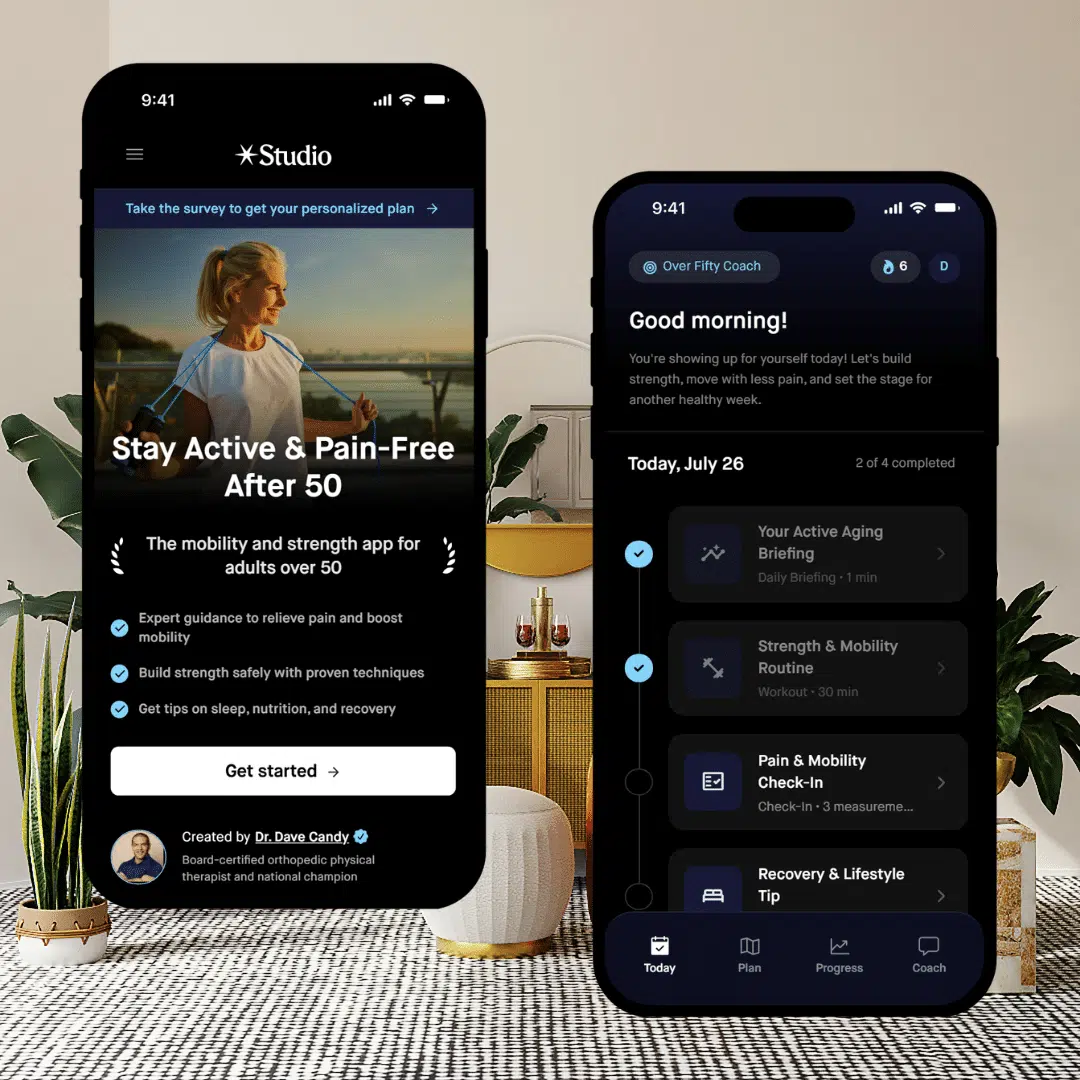
Need Help To Stay Strong and Mobile After 50?
Affiliate Disclosure: This post contains affiliate links to Amazon and/or other sites. While I only recommend products that I trust, as an Amazon Associate, I earn commission from qualifying purchases at no extra cost to you.
Medical Disclaimer: The content on this site is for educational and informational purposes only and is not intended as medical advice. Always consult with a qualified healthcare professional before beginning any new exercise program, diet, or supplement regimen, especially if you have pre-existing health conditions.