
Deadlifts After 50: A Path to Strength
Many believe that deadlifts are detrimental to your back after 50. However, when performed correctly, deadlifts can enhance bone density and build functional strength, allowing you to lift your grandchildren without fear of injury. To safely incorporate deadlifts into your routine, it’s crucial to avoid two common mistakes that can jeopardize your spine.
Avoiding Common Deadlift Mistakes
Understanding how to perform deadlifts safely is essential, especially for those over 50. The first mistake occurs when your hips rise too soon during the lift, leading to a rounded lower back and excessive stress on your spinal discs. Conversely, the second mistake involves overcompensating by keeping your spine too upright, which can turn your deadlift into a squat, activating your spinal extensors excessively and risking injury.
Correcting the First Mistake: Hip Positioning
To avoid the first mistake, maintain a neutral spine position throughout the lift. Begin with your feet just under the barbell, slightly narrower than shoulder-width. Grip the bar just outside of your legs and take the slack out by pulling up against the bar until it clinks against the weights. This ensures your hips don’t rise first, preventing lower back rounding.
Adjusting Your Hips for Proper Technique
Once you’ve taken the slack out, lower your hips, ensuring the bar is positioned under your shoulder blades. Avoid lowering your hips too much, as this can lead to an elongated lever arm that places undue stress on your spine. Remember, the goal is to maintain a strong, neutral spine throughout the movement.
Utilizing the Valsalva Maneuver
Before lifting, practice the Valsalva maneuver by holding your breath. This action increases intra-abdominal pressure, acting as a natural back brace during the lift. As you begin to rise, focus on pushing the floor down rather than lifting the bar up. This mindset keeps your hips and knees moving simultaneously, promoting a safer lifting technique.
Building Strength with Deadlifts
After mastering the technique, it’s vital to consider your training volume. Start with lighter weights that allow you to practice the proper form. Gradually increase the weight as your technique improves. Aim for a repetition range of five to eight for deadlifts to minimize the risk of compromising your form, which can lead to injury.
Sets and Repetitions: Finding Your Balance
Deadlifts are taxing, so focus on lower repetitions. If you find yourself nearing the end of a set of 10 to 15 and your form starts to falter, it’s time to reduce the reps. Consider performing four to five sets with fewer repetitions instead of the traditional three sets.
Conclusion: Safe Lifting After 50
Incorporating deadlifts into your routine after 50 can be beneficial for strength and mobility, provided you avoid common mistakes. By focusing on proper technique, maintaining a neutral spine, and respecting your limits regarding weight, you can enjoy the advantages of deadlifting without risking your back. Start today by assessing your form and gradually building your strength.
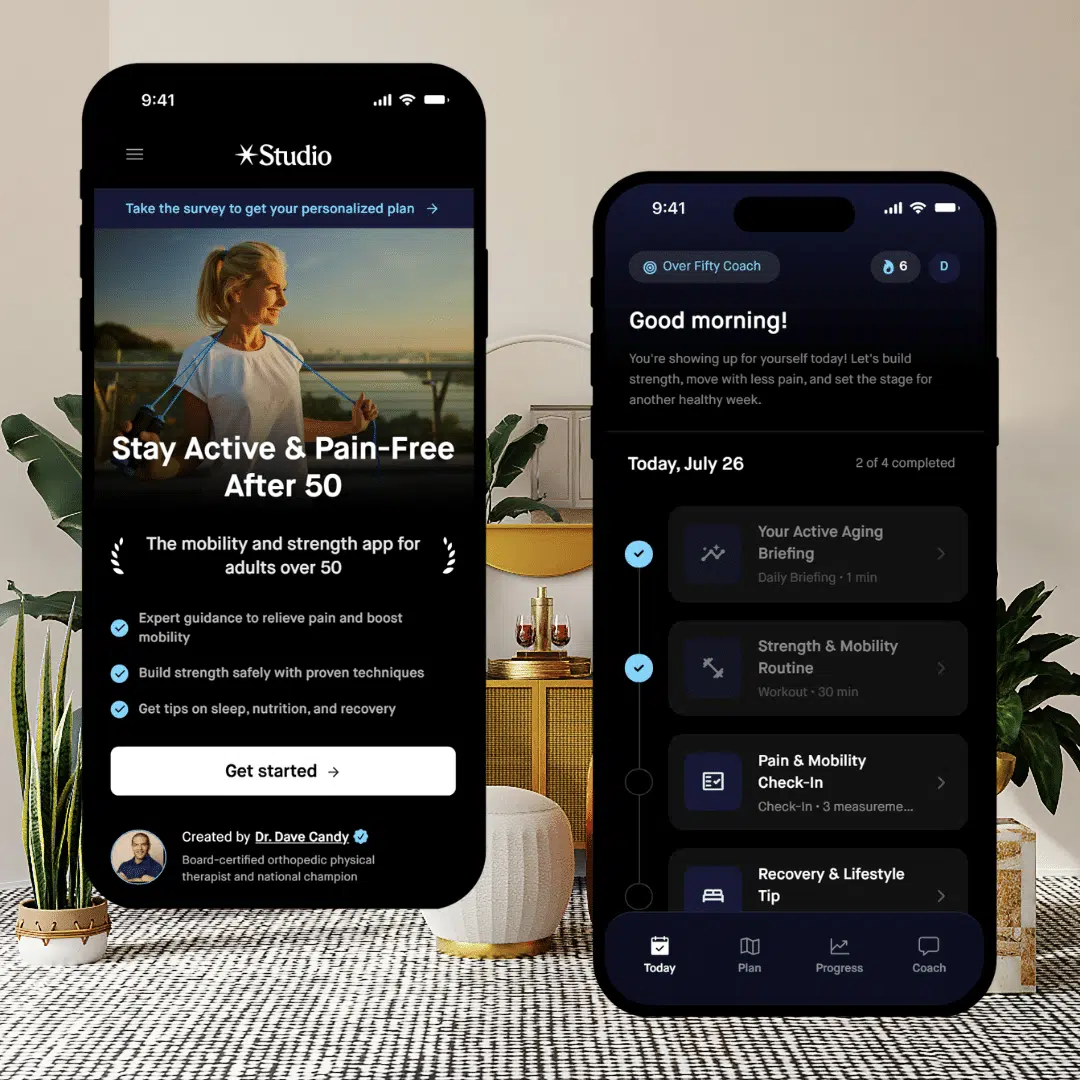
Need Help To Stay Strong and Mobile After 50?
Affiliate Disclosure: This post contains affiliate links to Amazon and/or other sites. While I only recommend products that I trust, as an Amazon Associate, I earn commission from qualifying purchases at no extra cost to you.
Medical Disclaimer: The content on this site is for educational and informational purposes only and is not intended as medical advice. Always consult with a qualified healthcare professional before beginning any new exercise program, diet, or supplement regimen, especially if you have pre-existing health conditions.