
Introduction: Building Muscle After 50
If you’re over 50 and eager to build muscle, there’s a common misconception that counting reps is essential for success. In reality, your muscles don’t count reps; they respond to intensity and fatigue. This post will guide you on how to effectively build muscle after 50 without the stress of counting every rep.
Understanding Muscle Growth
The journey to building muscle after 50 can seem daunting, but it’s important to focus on what truly matters. Scientific research indicates that muscle growth can occur with a rep range anywhere from 6 to 30 reps, as long as you train close to failure. This means that by the end of your set, you should feel that you can’t possibly do one or two more reps.
Intensity Over Repetition
For instance, if you’re completing a set of six reps, you should feel that you cannot exceed eight reps even if you push yourself. Conversely, when performing a set of 15 reps, the last few should feel just as challenging as those from the heavier set. This focus on intensity is crucial for effective muscle building.
Choosing the Right Equipment
When lifting weights, safety should be your priority. Using the right equipment can allow you to train closer to failure without risking injury. For exercises like bench presses or squats, a power rack is invaluable. This equipment provides a safety net, allowing you to push your limits without the fear of injury.
Alternative Options
If you’re hesitant about heavy lifting, weight machines are an excellent alternative. They can help you effectively train close to failure while minimizing injury risks. Additionally, various resistance types—including barbells, dumbbells, kettlebells, and elastic bands—are all effective as long as you maintain that necessary intensity.
Utilizing Slow Eccentrics for Muscle Building
For those who want to avoid heavy lifting yet still challenge their muscles, consider incorporating slow eccentrics into your routine. This method involves lowering weights slowly, increasing the time under tension without adding more reps. Aim to lower the weight over a period of two to four seconds, while lifting quickly to build power.
Finding the Right Balance
It’s essential to balance different aspects of your workout. While counting reps can serve as a benchmark for progress, focus on the quality of your training rather than the quantity. Aim for muscle fatigue during your workouts, provide your body with the necessary nutrients for recovery, and maintain consistency in your training routines.
Key Numbers for Muscle Growth
While the number of reps may not be crucial, there are two key metrics that are important: sets and frequency. Research suggests that to maximize muscle growth, aim for at least 10 sets per muscle group each week. This can be broken down into different training frequencies. For example, if you train two days a week, aim for five sets per muscle group each session. If you train three days a week, aim for three to four sets.
Start Small, Build Momentum
Don’t let these numbers intimidate you! Beginning with any form of strength training is far better than doing none. Gradually increase your sets and frequency as you become more comfortable and confident in your abilities.
Conclusion: Your Next Steps
To summarize, building muscle after 50 doesn’t have to revolve around counting reps. Focus on the intensity of your workouts, utilize the right equipment, and incorporate slow eccentrics to challenge your muscles effectively. Remember, the most important step is to start training consistently and intelligently. Your body will thank you!
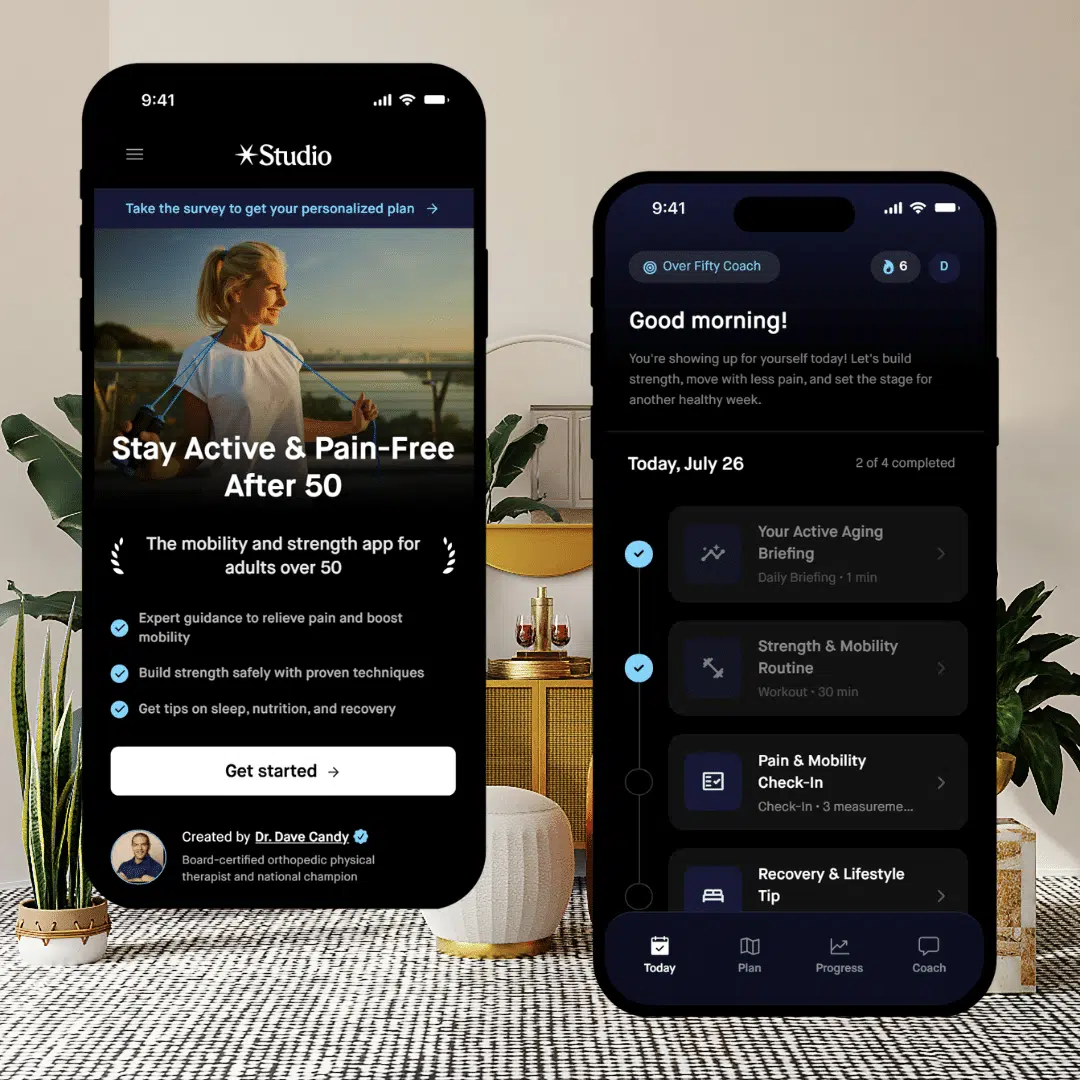
Need Help To Stay Strong and Mobile After 50?
Affiliate Disclosure: This post contains affiliate links to Amazon and/or other sites. While I only recommend products that I trust, as an Amazon Associate, I earn commission from qualifying purchases at no extra cost to you.
Medical Disclaimer: The content on this site is for educational and informational purposes only and is not intended as medical advice. Always consult with a qualified healthcare professional before beginning any new exercise program, diet, or supplement regimen, especially if you have pre-existing health conditions.