
Understanding Swelling After Knee Replacement
Swelling is a common concern after a knee replacement surgery. While some swelling is normal, excessive swelling can lead to increased stiffness, pain, and a slower recovery. In this post, we’ll explore three effective tips to reduce swelling after knee replacement surgery, helping you get back on your feet faster.
Tip 1: Ice, Compression, and Elevation
The first tip to reduce swelling is an integrated approach of ice, compression, and elevation, often referred to as ICE. Unlike the traditional RICE acronym, we’ve omitted rest, as gentle movement is also beneficial for reducing swelling.
Icing Your Knee
To effectively ice your knee, consider using a cold water pump or traditional ice packs. The cold water pump is preferable because it provides continuous cooling and compression, making it easier to manage.
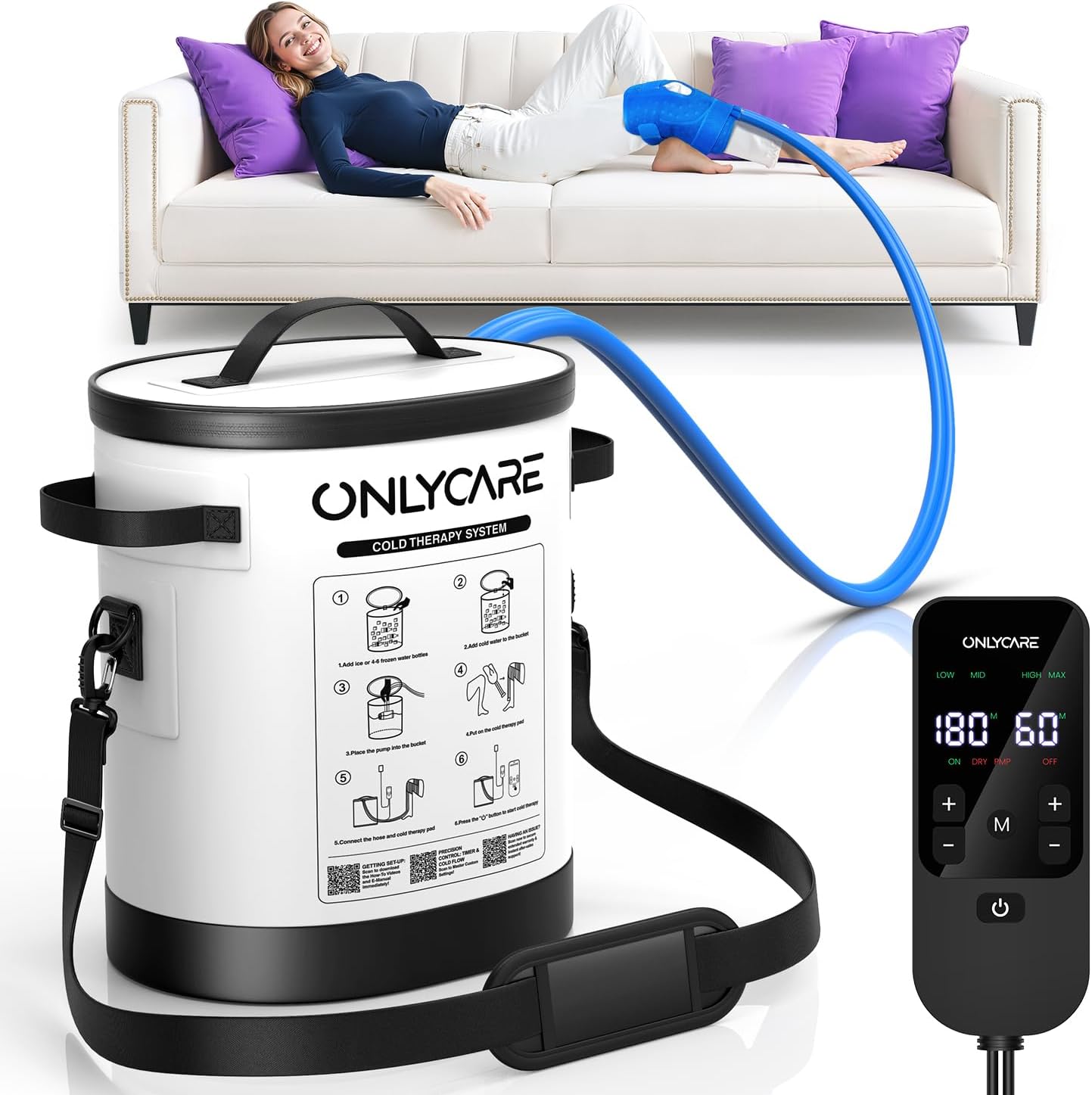
Aim to ice your knee for about 20 minutes every waking hour. If using traditional ice packs, remember to change them regularly to maintain effectiveness.
Compression and Elevation
When icing, elevate your leg above heart level to utilize gravity in reducing swelling. Compression stockings are also highly recommended. Opt for thigh-high compression stockings that extend above the knee to prevent swelling from returning to the knee area.
Tip 2: Utilize Air Compression Boots
If you’re experiencing significant swelling, air compression boots can be a great asset. These boots create a pressure gradient by sequentially compressing different parts of your leg, helping to guide fluid back towards your heart.
Choosing the Right Compression Boots
Look for boots that zip up rather than velcro, as they create a better fit without leaving pockets for swelling. Many options are available, with adjustable pressure settings. Always consult with a healthcare professional before exceeding 100 mm of mercury in pressure to ensure you do not impede blood flow.

Tip 3: Incorporate Movement into Your Routine
Gentle movement plays a crucial role in reducing swelling. While elevating your leg, perform ankle pumps to activate your calf muscles, which help circulate blood back towards your heart. Additionally, bending and straightening your knee can help mechanically push fluid out of the knee capsule.
Recommended Exercises
Consider incorporating heel slides into your routine. Using a strap or towel can assist in performing this exercise effectively. Slide your heel across a smooth surface while gently pulling your leg to bend your knee. Aim for at least 30 repetitions every waking hour to promote motion and decrease swelling.

Gradually Increase Activity
Returning to daily activities can help control swelling, but pace yourself. Gradually increase your activity level without pushing through excessive pain or swelling. Engage in light activities as tolerated, and pay attention to your body’s signals.
Next Steps for Recovery
By implementing these three tips—ice, compression, and movement—you can effectively manage swelling after your knee replacement surgery. Monitor your progress and adjust your activities as necessary. If swelling persists or worsens, consult your healthcare provider for further guidance.
For more helpful tips on knee replacement recovery, check out these posts:
How to Decrease Stiffness After Knee Replacement
Top 5 Exercises to Strengthen Your Knee After a Knee Replacement
Need Help To Stay Strong and Mobile After 50?

Affiliate Disclosure: This post contains affiliate links to Amazon and/or other sites. While I only recommend products that I trust, as an Amazon Associate, I earn commission from qualifying purchases at no extra cost to you.
Medical Disclaimer: The content on this site is for educational and informational purposes only and is not intended as medical advice. Always consult with a qualified healthcare professional before beginning any new exercise program, diet, or supplement regimen, especially if you have pre-existing health conditions.