
Understanding Strength Training After 60
If you’re over 60 and want to get stronger, you may wonder how many repetitions you need to do. Some people suggest 8 to 10 reps, while others recommend 12 to 15. However, the key to effective strength training lies in understanding that it’s not just about the number of repetitions, but rather the quality and intensity of those last few reps.
Quality Over Quantity
The truth is, you only need two to three challenging repetitions to see real gains. While you might start with a higher number of reps, it’s those last two to three that truly matter. These repetitions should be the ones where you’re really pushing your limits and struggling to complete them. If you’re not feeling challenged during those final reps, you may not be maximizing your strength training potential.
How to Structure Your Workouts
It’s common to follow a routine of three sets of ten repetitions. However, if you complete all ten reps with ease, you’re not effectively working your muscles. Instead, aim to tire your muscles sufficiently so you can struggle during those last couple of reps.
Example of Effective Repetition Count
For instance, if you are lifting weights, you might find that you can do nine reps comfortably. When you reach that point, you should be close to your limit. The final two to three reps are where the real work begins, and that’s what will lead to strength gains.
Finding the Right Weight
Your choice of weight is crucial. Using weights that are too light may allow you to complete more repetitions than necessary without reaching muscle fatigue. If you find yourself doing more than 15 repetitions easily, consider increasing the weight or adjusting your workout plan.

Safety Considerations
When performing exercises like bench presses or squats, safety is paramount. If you’re lifting heavy weights, you may need to stop short of complete exhaustion to avoid injury. On exercises where you are in a controlled position, such as bicep curls or lateral raises, it is acceptable to push yourself until you can’t do another rep.
Progress Over Time
As you grow stronger, it’s essential to progress your workouts by increasing either the weights you lift or the number of repetitions you perform. This gradual increase will help prevent plateaus and keep your muscles challenged.
Recovery Is Key
No workout is complete without proper recovery. This includes allowing adequate time between workout sessions, getting good nutrition, and enough quality sleep. Learn more recovery tips to build muscle in this post.
Conclusion: Simplifying Strength Training
Strength training doesn’t have to be complicated. By focusing on the intensity of your last few reps, selecting appropriate weights, and allowing for recovery, you can effectively build strength after 60. Remember, the goal is to challenge your muscles sufficiently and then give them the time they need to recover. It may take you a few months of training to see significant gains, but stick with it. Consistency is key!
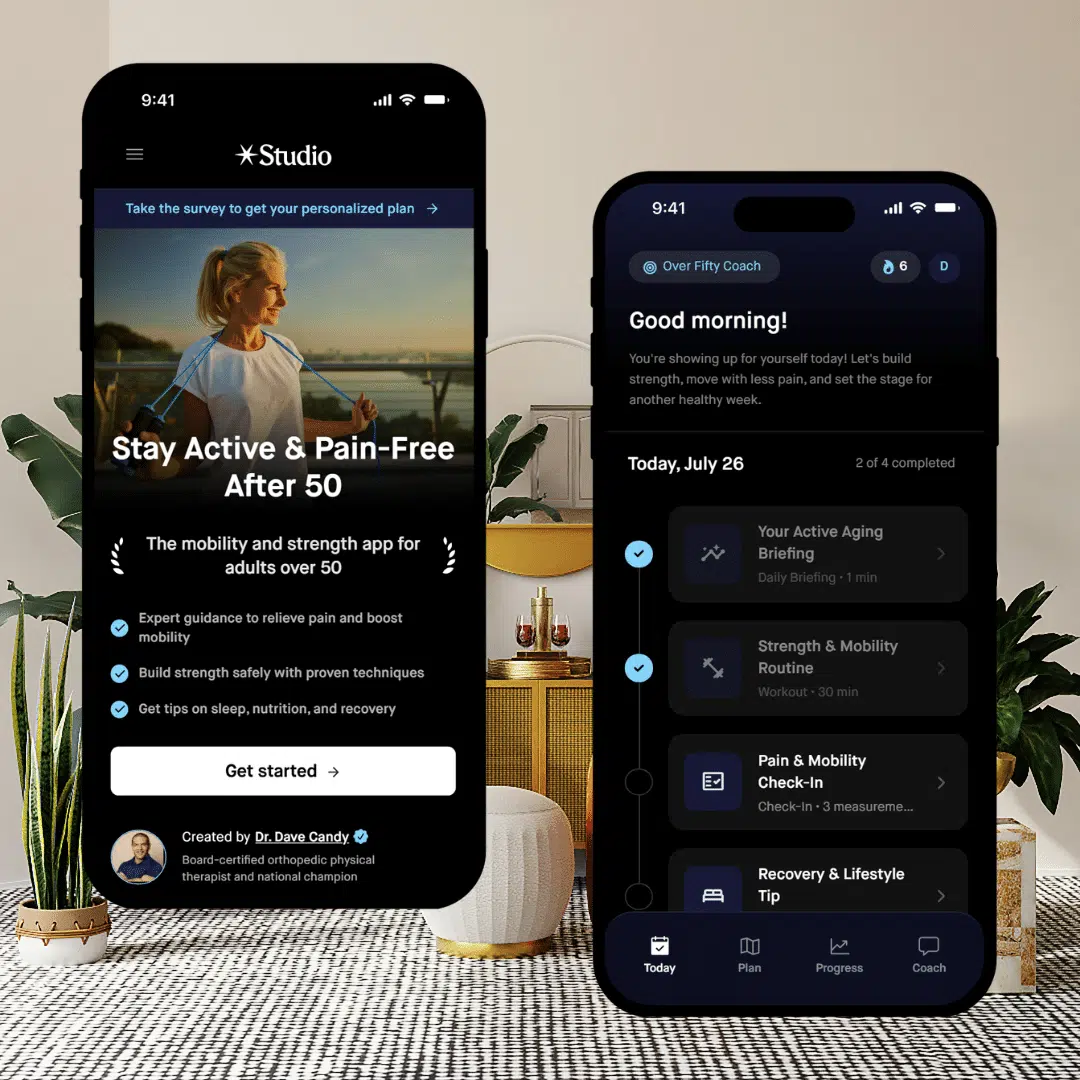
Need Help To Stay Strong and Mobile After 50?
Affiliate Disclosure: This post contains affiliate links to Amazon and/or other sites. While I only recommend products that I trust, as an Amazon Associate, I earn commission from qualifying purchases at no extra cost to you.
Medical Disclaimer: The content on this site is for educational and informational purposes only and is not intended as medical advice. Always consult with a qualified healthcare professional before beginning any new exercise program, diet, or supplement regimen, especially if you have pre-existing health conditions.