
Understanding Inner Knee Pain
Experiencing pain on the inside of the knee can be frustrating, especially when it impacts daily activities like standing, walking, or going up and down stairs. Inner knee pain is common, particularly among individuals over 50. While arthritis is often blamed, it’s crucial to recognize that not all inner knee pain stems from this condition. In this post, we’ll explore the potential causes and share three actionable tips to alleviate inner knee pain.
Common Causes of Inner Knee Pain
Inner knee pain can arise from various issues. One primary culprit is arthritis, which typically causes pain at the joint line during weight-bearing activities. Another common source of discomfort is the meniscus, the cartilage that cushions the knee. Pain may also originate from the medial collateral ligament (MCL) or muscular problems with the quadriceps or adductor muscles.
Identifying Your Pain
When assessing inner knee pain, pinpointing the exact location is essential. Often, individuals will experience pain right above or below the knee. Above the knee, issues may arise from the vastus medialis or adductor magnus muscles. Below the knee, you might be dealing with pes anserine tendinopathy, which involves tendons from the sartorius, gracilis, and semitendinosus muscles.
Tip 1: Reposition the Knee Joint
To address inner knee pain, the first step is to realign the knee joint. One effective method is to sit cross-legged and gently apply pressure. Place one hand on the outside of the shin and the other on the inside of the thigh. Pull and twist gently—in small oscillations or a sustained hold—focusing on realigning the joint. Perform this for about a minute and then test your mobility by walking or squatting.
Tip 2: Improve Ankle Mobility
Stiffness in the ankle can contribute to knee pain. To enhance ankle mobility, use a strap placed around the front of your ankle. Push your knee forward over your foot while keeping your heel flat. Alternate angles to find the most comfortable position that doesn’t cause knee pain. This exercise helps improve the mobility needed for proper knee alignment.
Stretching the Calf Muscles
In addition to ankle mobility, maintaining flexibility in your calf muscles is vital. Step forward as if walking, keeping your arch raised. Hold this position for about a minute without allowing your heel to rise or the arch to flatten. Stretching the calves will further support proper knee alignment and function.
Tip 3: Strengthen Quadriceps and Hip Muscles
Strengthening exercises are crucial for knee health. A partial lunge can effectively target these muscles. Stand in a staggered stance and lower your body into a partial lunge, ensuring your knee, hip, and toes align properly. Start with 10 repetitions, gradually increasing as your strength improves. This exercise reinforces the muscles necessary for movements like standing and climbing stairs.
Conclusion: Taking the Next Step
Addressing inner knee pain involves understanding its causes and applying effective strategies to alleviate discomfort. By repositioning the knee joint, improving ankle mobility, and strengthening the surrounding muscles, you can significantly reduce pain and enhance mobility. Try these tips and observe what works best for you. Remember, consistency is key in managing knee pain effectively.
For more insights and strategies to manage knee pain, consider consulting with a healthcare professional. Your journey to pain-free movement starts with small, actionable steps.
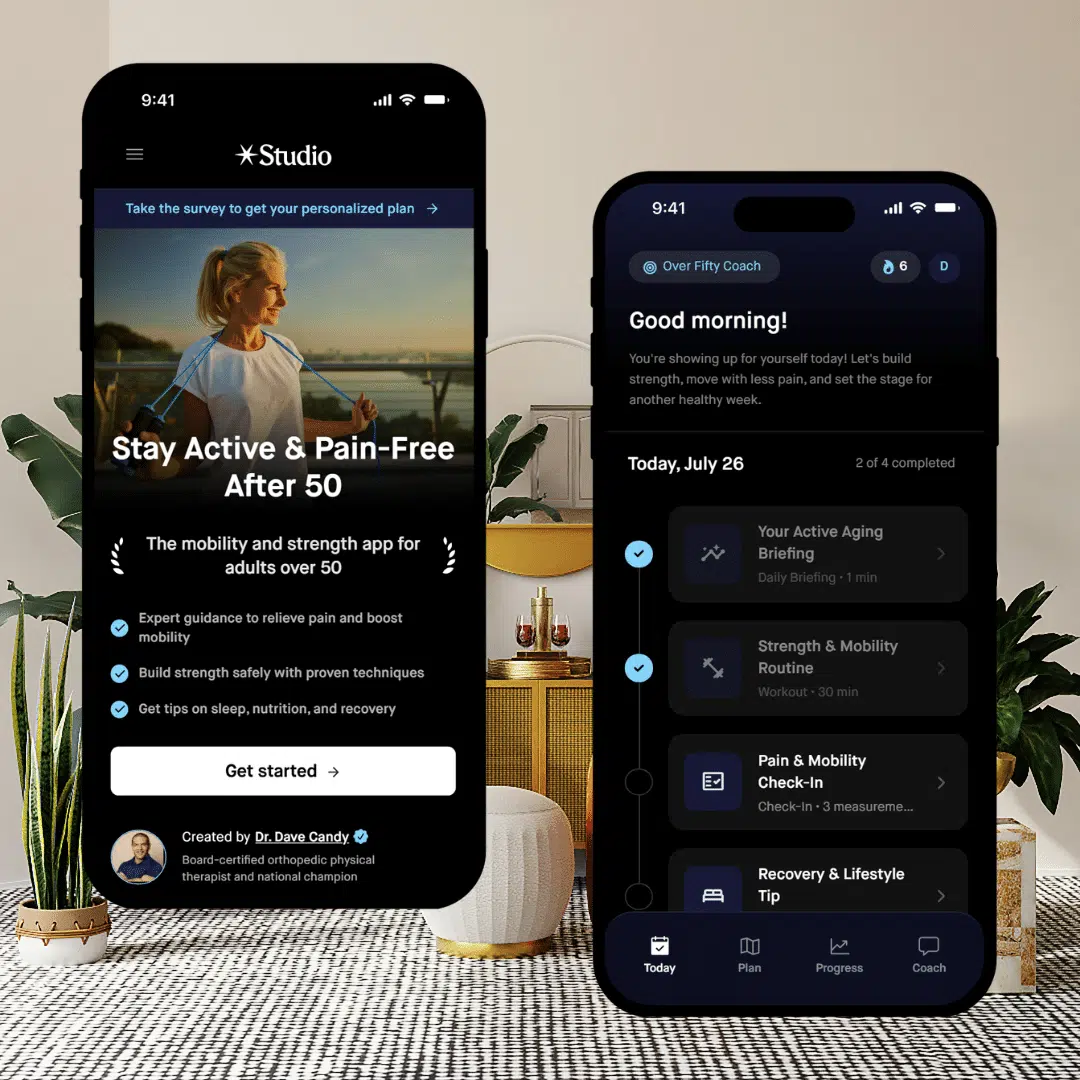
Need Help To Stay Strong and Mobile After 50?
Affiliate Disclosure: This post contains affiliate links to Amazon and/or other sites. While I only recommend products that I trust, as an Amazon Associate, I earn commission from qualifying purchases at no extra cost to you.
Medical Disclaimer: The content on this site is for educational and informational purposes only and is not intended as medical advice. Always consult with a qualified healthcare professional before beginning any new exercise program, diet, or supplement regimen, especially if you have pre-existing health conditions.