
Introduction
Recovering from surgery while being non-weight bearing can be a challenging experience. However, engaging in wheelchair exercises is crucial to speed up recovery and prevent blood clots. Staying active, even from a seated position, can mitigate the risks of muscle loss, stiffness, and pressure sores.
Why Wheelchair Exercises Matter
After surgery, it’s essential to keep your body moving. Inactivity can lead to significant complications, including deep vein thrombosis (DVT). Wheelchair exercises not only promote circulation but also enhance your overall recovery.
Consult Your Healthcare Provider
Before starting any exercise routine, it’s vital to consult with your surgeon or physical therapist. Each surgery comes with its limitations, and ensuring safety is paramount.
Essential Wheelchair Exercises
1. Weight Shifting
This exercise is fundamental for preventing pressure sores. Shift your weight from side to side periodically. Lean to one side, allowing your weight to rest there for a few seconds, and then shift to the other side. You can also shift your pelvis forward and backward to maintain spinal mobility.
2. Seated Marching
To engage your hip muscles, perform seated marching. Lift each leg as high as possible while seated, ensuring the armrests are clear for better movement. Hold each lift for one to two seconds and repeat for ten repetitions per leg.
3. Hip External Rotation
This exercise targets the rotational strength of your hips. Pretend there is an axis through your thigh and rotate your lower leg outward. Perform this exercise ten times on each leg, holding for one to two seconds at the top.
4. Knee Extensions
To maintain knee mobility, straighten your legs while seated. Extend each leg as far as comfortable and then lower it back down. This will help prepare your knees for standing when you’re ready.
5. Seated Heel Raises
Keep your calf muscles active by doing seated heel raises. This exercise promotes blood circulation back to your heart, reducing the risk of blood clots. Raise your heels while seated, then lower them back down. Aim for ten repetitions.
6. Posture Improvement
Maintaining good posture is essential when sitting for extended periods. Sit tall, lift your chest, and rotate your arms backwards to stretch your chest and strengthen your back muscles. Hold this position for one minute, or break it into two sets of 30 seconds.
Utilizing an Electric Wheelchair
An electric wheelchair can enhance your mobility and independence during recovery. The KERDOM DX04 Electric Wheelchair is lightweight, easy to transport, and provides excellent battery life, allowing you to enjoy outings and fresh air while you heal. This wheelchair meets air travel requirements, making it convenient for future travel.

Conclusion
Incorporating these wheelchair exercises into your routine can significantly aid in your recovery process. Remember to listen to your body and consult with healthcare professionals before starting any new exercise regimen. By staying active, you can minimize risks and promote healing while enjoying life outside your home.
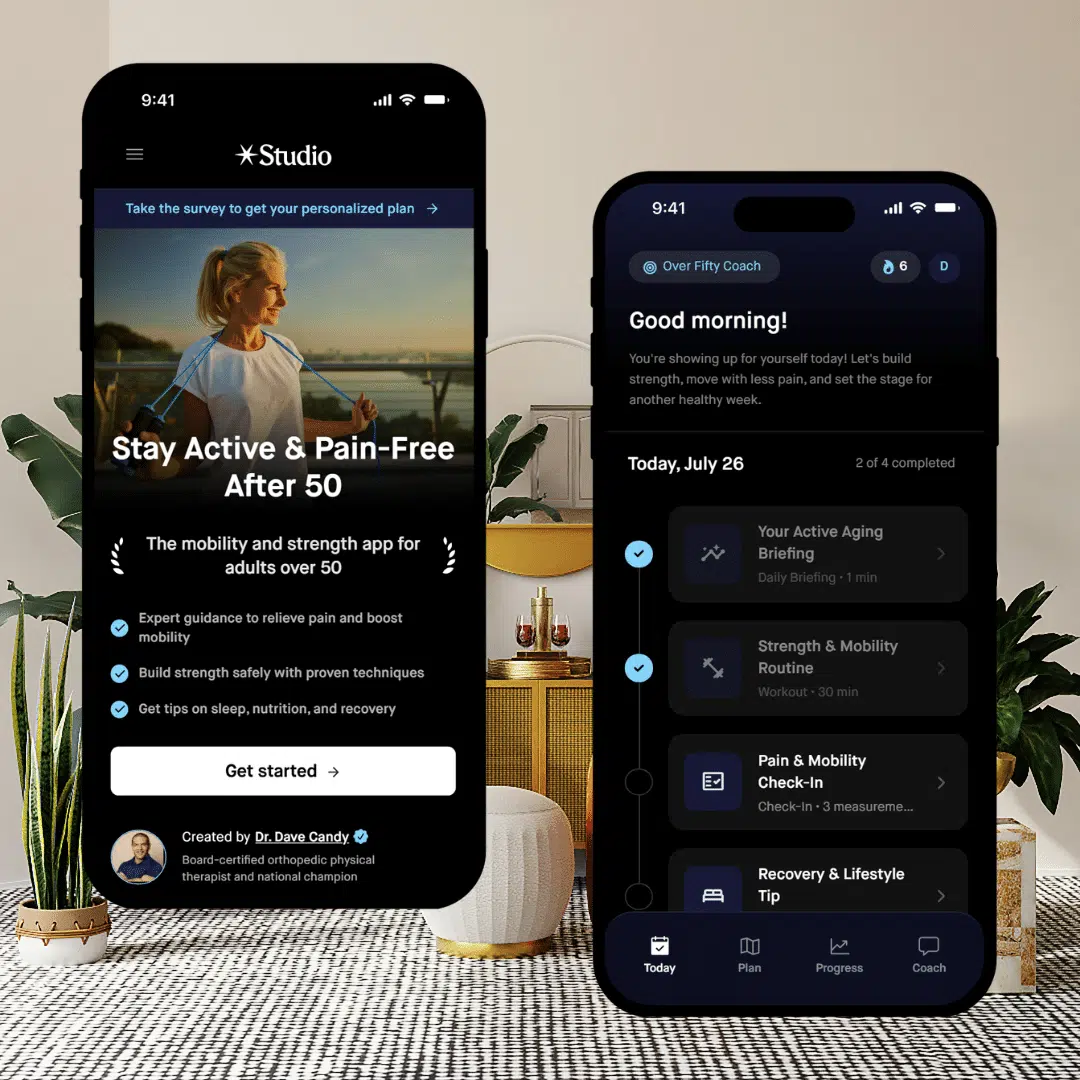
Need Help To Stay Strong and Mobile After 50?
Affiliate Disclosure: This post contains affiliate links to Amazon and/or other sites. While I only recommend products that I trust, as an Amazon Associate, I earn commission from qualifying purchases at no extra cost to you.
Medical Disclaimer: The content on this site is for educational and informational purposes only and is not intended as medical advice. Always consult with a qualified healthcare professional before beginning any new exercise program, diet, or supplement regimen, especially if you have pre-existing health conditions.