
Understanding Knee Pain After 50
If you’re over 50 and struggling with knee pain, it can be frustrating to find effective solutions. Many people focus only on their quadriceps and hamstrings, but neglecting other important muscles can sabotage your progress. This article will explore six forgotten muscles that impact knee health and provide actionable exercises to strengthen them.
The Importance of Hip External Rotators
Most exercises for knee pain primarily target the quadriceps, hamstrings, and gluteal muscles. However, many fail to address the hip external rotators, which are crucial for maintaining stability in the knee joint. These muscles allow for proper hip rotation, which is essential in controlling movements and preventing knee pain.
Identifying the Six Key Muscles
The hip external rotators consist of six muscles known by the acronym P Go Q:
- Piriformis
- Gemellus Superior
- Obturator Internus
- Gemellus Inferior
- Obturator Externus
- Quadratus Femoris
These muscles work together to stabilize the hip and knee during activities. Strengthening them can significantly reduce knee pain.
Three Effective Exercises
Here are three simple exercises to strengthen your hip external rotators, which can enhance your knee stability:
1. Resistance Band Squats
To perform this exercise, place a resistance band around your knees. Stand in front of a chair and perform a squat while keeping your knees pressed outward against the band. This exercise not only strengthens your quadriceps and glutes but also targets your hip external rotators.
Start with 10 repetitions and gradually work your way up. As you progress, try to lower your squat to increase the challenge.
2. Split Squats with Resistance Band
For this exercise, secure a resistance band to a heavy piece of furniture. Place the band around the outer side of your knee and step away so that the band pulls your knee inward. Perform a split squat, keeping your knee turned outward against the band’s resistance. This movement helps to engage and strengthen the hip external rotators effectively.
Complete 10 repetitions on each leg, ensuring your knee remains aligned during the movement.
3. Controlled Hip Rotations
Begin by standing with your feet shoulder-width apart. Rotate your hip inward and then outward in a controlled manner. Focus on feeling the engagement in your hip external rotators during the outward rotation. Aim for 10 repetitions in each direction on both legs.
This exercise helps improve your overall hip mobility and stability, which are crucial for knee health.
Next Steps for Knee Health
Incorporating these exercises into your routine can help strengthen the forgotten muscles that support your knees. It’s essential to maintain consistency and gradually increase the difficulty as your strength improves. If knee pain persists, consider consulting a healthcare professional for personalized advice.
By focusing on these often-overlooked muscles, you can take significant steps toward alleviating knee pain and improving your overall mobility.
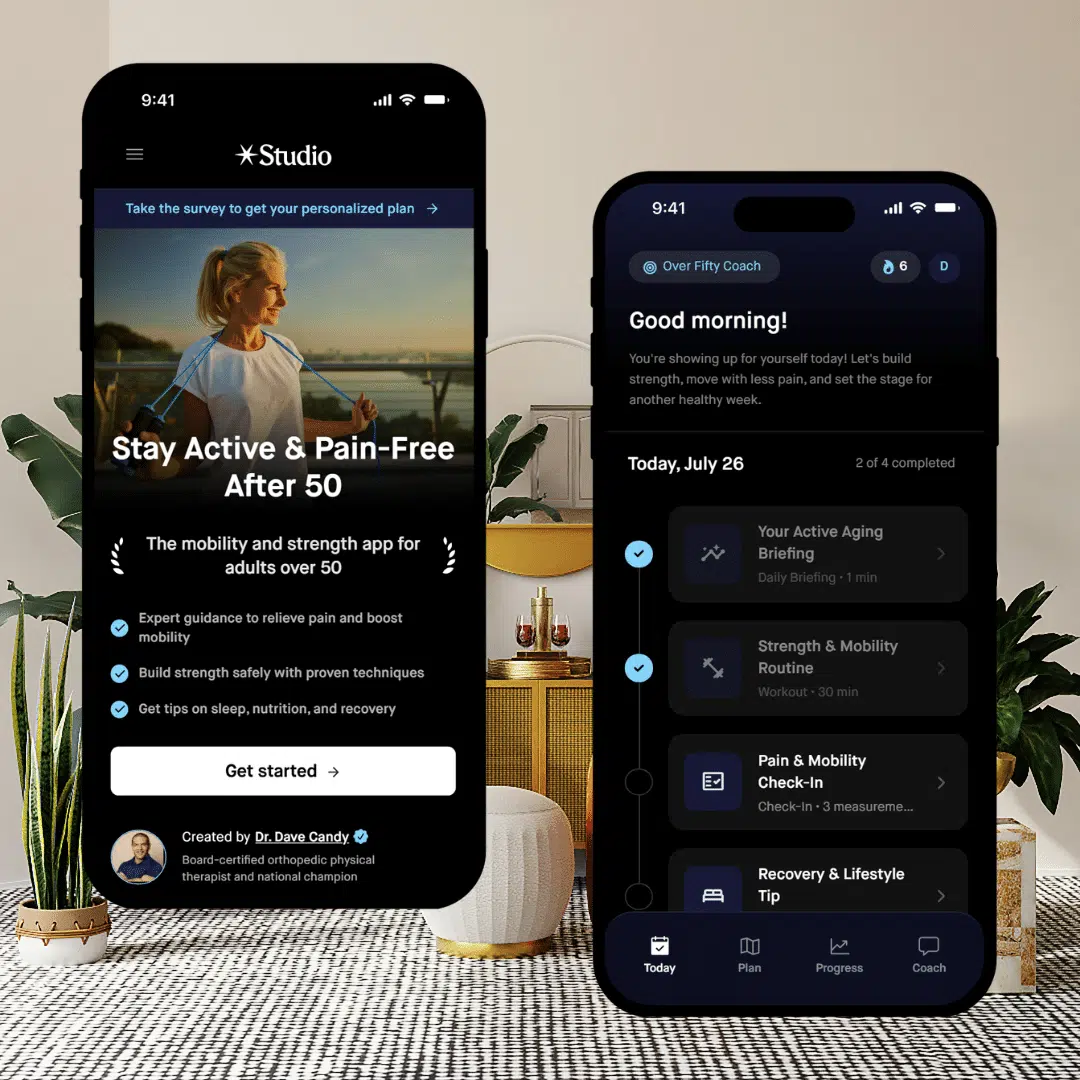
Need Help To Stay Strong and Mobile After 50?
Affiliate Disclosure: This post contains affiliate links to Amazon and/or other sites. While I only recommend products that I trust, as an Amazon Associate, I earn commission from qualifying purchases at no extra cost to you.
Medical Disclaimer: The content on this site is for educational and informational purposes only and is not intended as medical advice. Always consult with a qualified healthcare professional before beginning any new exercise program, diet, or supplement regimen, especially if you have pre-existing health conditions.