
Why Do Deep Squats After 50?
Do you feel like deep squats are off limits after 50? Many adults worry that deep squats might harm their knees or that they won’t be able to rise back up. However, when performed correctly, deep squats offer excellent benefits for muscle strength, flexibility, joint mobility, spinal health, posture, core control, and balance. This post will guide you through a step-by-step process to achieve deep squats safely.
Are Deep Squats Safe for People Over 50?
The primary concern for those over 50 is knee health. It’s true that deeper squats can create more compression behind your knee joint. However, in a resting squat position, often referred to as an Asian squat, this is not the case. This position is commonly used in various cultures and can be comfortable and passive when you get accustomed to it.
While it might feel uncomfortable initially, it’s important to differentiate between muscle discomfort and joint pain. If you experience sharp pain, stop immediately. If you have severe knee arthritis or have had joint replacements, consult your doctor before attempting deep squats.
Step-by-Step Guide to Deep Squatting Safely
Let’s break down the process into manageable steps.
Step 1: Supported Squat or Counter Squat
This exercise can be done easily while cooking. Slowly lower yourself into a squat, going as deep as feels comfortable. Hold the position for a few seconds. Repeat this, aiming to go deeper each time while holding the position for 5 to 10 seconds. Eventually, aim for 30 seconds to a minute in the deepest position you can comfortably achieve.
Step 2: Transition to Unsupported Squat
Once you’re comfortable with the supported squat, move to a more unsupported position by placing your hands on the floor. Bend your knees as you lower your hips. This technique shifts some load to your arms, making it easier to manage the squat. If you find yourself struggling to maintain a proper posture, consider using yoga blocks under your heels to assist.
Improving Spinal Posture
When squatting, lift your chest and keep your arms upright to enhance spinal posture. This will help you maintain a more upright position, reducing strain on your back. If your heels lift off the ground, this may indicate stiffness in your ankles. Again, yoga blocks can help you maintain stability.
How to Safely Stand Back Up
Rising from a deep squat can be challenging, especially if you’ve been in the position for an extended time. If your legs feel stiff, push your hands into the floor and lift your bottom to assist in standing up.
To enhance your leg strength for standing up, focus on pushing your knees outward, which aids in hip mobility and glute activation.
Considerations for Knee Issues
If you have knee arthritis or have undergone a joint replacement, you may not be able to achieve a full deep squat. However, partial squats, supported squats, and chair squats can still provide significant benefits.
Remember to always listen to your body and adjust your movements as needed. If you feel any discomfort, consult with a healthcare professional.
Conclusion: The Path to Safe Deep Squatting
Deep squats can be a valuable addition to your fitness routine, even after 50. By following these steps and adjustments, you can improve your strength, flexibility, and overall health. Remember, progression takes time, so be patient with yourself as you work towards achieving deeper squats safely.
Once you’re able to do bodyweight squats comfortably, consider adding dumbbells for extra resistance.
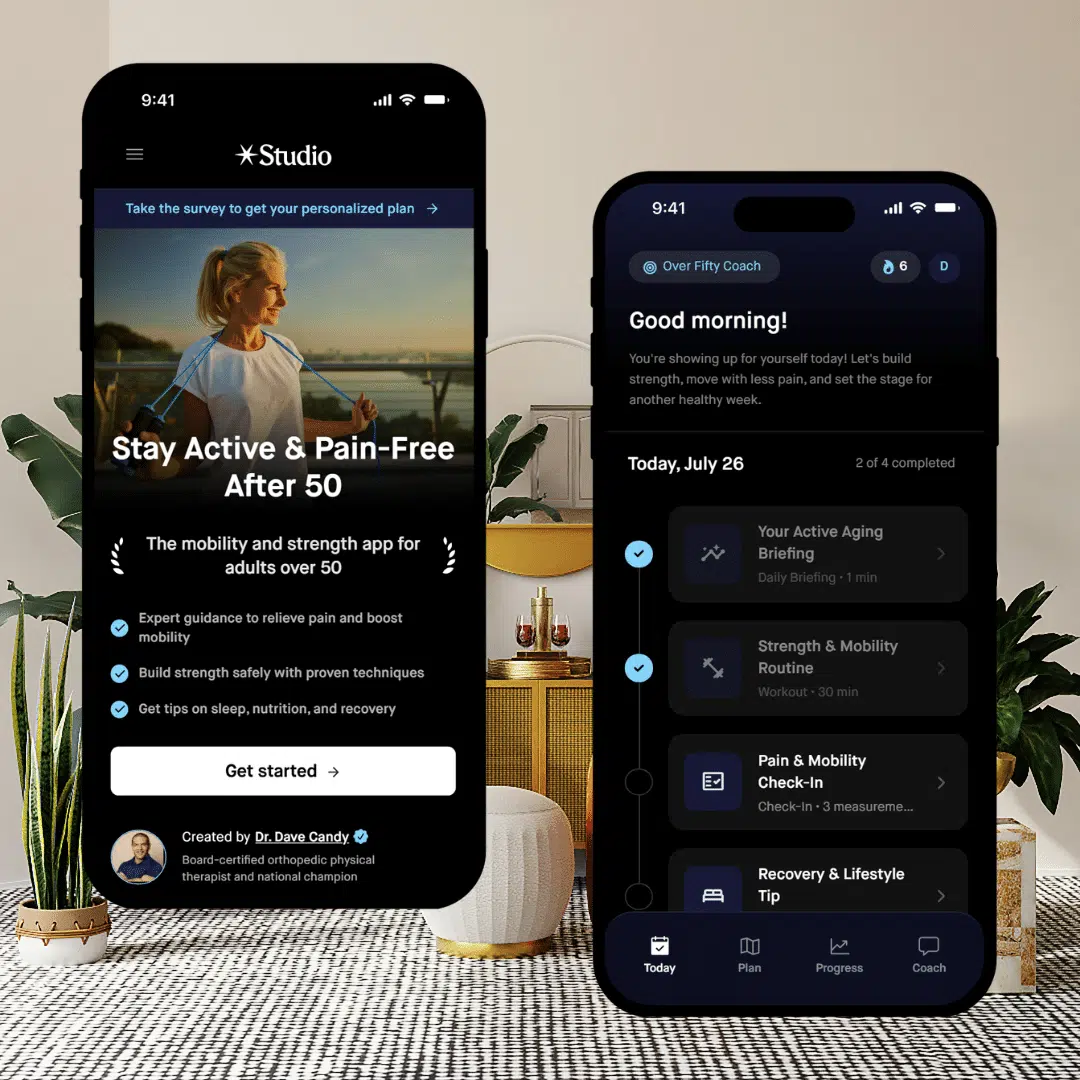
Need Help To Stay Strong and Mobile After 50?
Affiliate Disclosure: This post contains affiliate links to Amazon and/or other sites. While I only recommend products that I trust, as an Amazon Associate, I earn commission from qualifying purchases at no extra cost to you.
Medical Disclaimer: The content on this site is for educational and informational purposes only and is not intended as medical advice. Always consult with a qualified healthcare professional before beginning any new exercise program, diet, or supplement regimen, especially if you have pre-existing health conditions.