
Understanding Foot Arches and Insoles
Many individuals rely on insoles for arch support, yet countless patients have ongoing foot pain because their insoles don’t help as much as they’d like. The key misunderstanding is that the foot has four distinct arches, but most insoles focus solely on one. This post will delve into these arches and offer solutions for better support.
The Four Arches of Your Foot
Your foot comprises four arches: the medial longitudinal arch, the lateral longitudinal arch, and two transverse arches. The medial longitudinal arch runs along the inside of the foot, which is typically what people associate with foot arches. Meanwhile, the lateral longitudinal arch is smaller and runs along the outside. The transverse arches stretch across the midfoot and forefoot.
The midfoot consists of several small bones that serve as keystones. If these bones fall out of alignment, they can lead to the collapse of the medial or lateral arches, as well as the transverse arches. Thus, it is essential to provide support to these midfoot bones for overall foot health.
Choosing the Right Insoles
Most conventional insoles only support the medial longitudinal arch. However, I recently discovered DeepballFeet Insoles, which uniquely feature a built-in metatarsal pad. This design is narrower in the midfoot and expands in the forefoot, assisting with both the midtarsal and anterior transverse arches. These insoles also provide support for the medial and lateral arches, along with ample cushioning for the heel and forefoot.
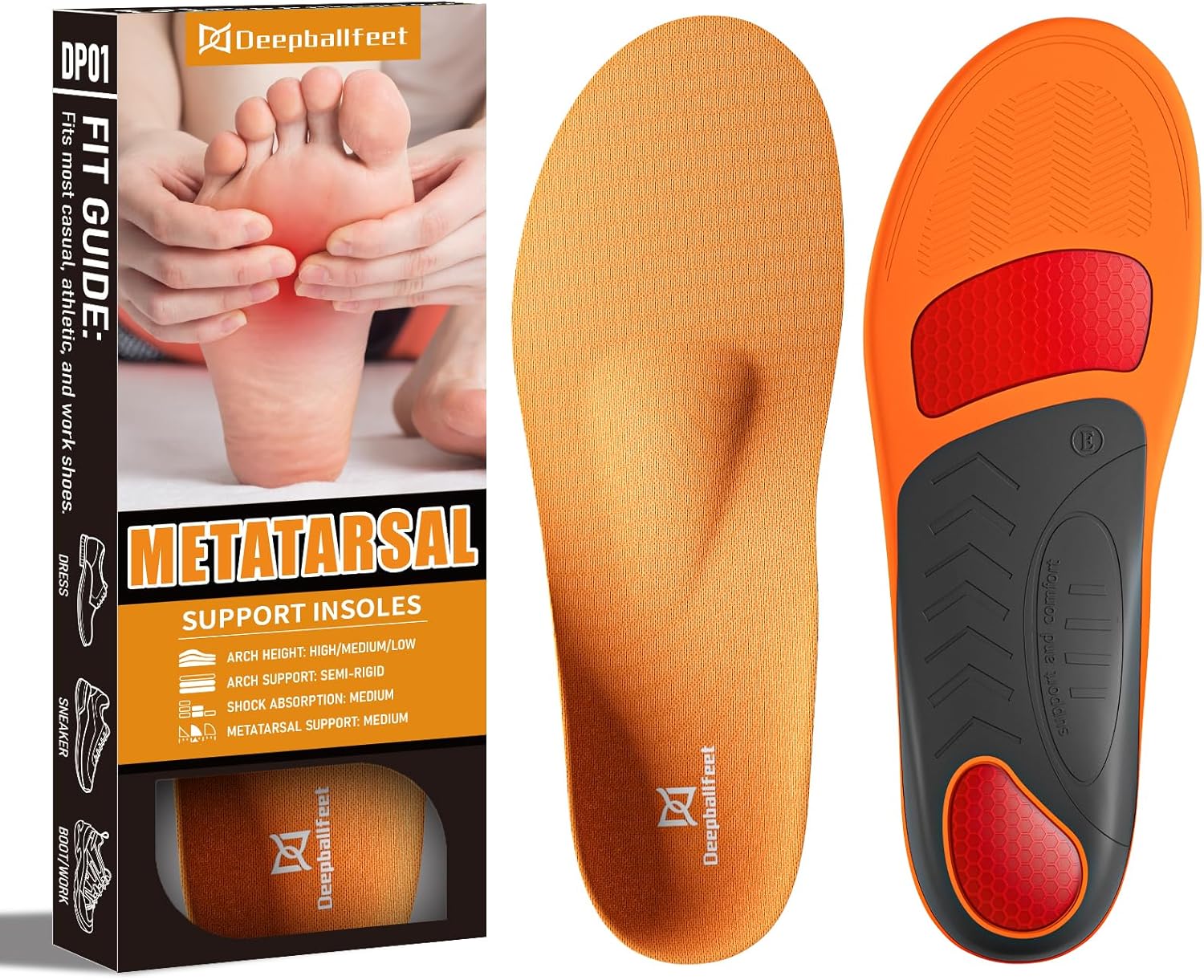
Although these insoles are beneficial, it’s crucial to understand that no insole or orthotic can serve as a standalone remedy for foot pain. Addressing foot pain often requires a multifaceted approach, including targeted exercises.
Effective Exercises for Foot Pain
The best exercises for foot pain can differ based on individual needs and conditions. However, here are three exercises that generally benefit most people:
1. Arch Doming
This exercise strengthens the medial longitudinal and transverse arches. To perform it, keep the big toe, little toe, and heel in contact with the ground while pulling the big toe toward the heel. This action will lift the arch and engage the muscles on the top of your foot. Start with holding this position, and then progress to balancing on one leg in the domed position for up to 30 seconds.
2. Calf Stretching
To maintain proper foot alignment and prevent overpronation, stretching your calves is essential. Begin by achieving the arch doming position, then step forward with the other foot while keeping your heel down. Ensure your foot points straight ahead, and hold the stretch for one minute on each side. This stretch helps maintain the arch and alleviates tension.
3. Toe Splaying
This exercise focuses on spreading your toes apart, counteracting the effects of tight shoes. Attempt to fan your toes out while holding the position for five seconds. Repeat for a total of 20 repetitions. This simple movement promotes toe mobility and alignment.
Final Thoughts
Insoles and targeted exercises can significantly improve foot health, especially for individuals suffering from conditions like Morton’s neuroma. Incorporating these strategies into your daily routine can help alleviate foot pain and enhance overall well-being. Read this post to learn more about Morton’s neuroma.
Need Help To Stay Strong and Mobile After 50?

Affiliate Disclosure: This post contains affiliate links to Amazon and/or other sites. While I only recommend products that I trust, as an Amazon Associate, I earn commission from qualifying purchases at no extra cost to you.
Medical Disclaimer: The content on this site is for educational and informational purposes only and is not intended as medical advice. Always consult with a qualified healthcare professional before beginning any new exercise program, diet, or supplement regimen, especially if you have pre-existing health conditions.