
Introduction: Strengthening Your Glutes and Legs
If you’re seeking to strengthen your glutes and legs but find traditional exercises like squats or lunges uncomfortable due to knee pain, you’re not alone. Many people struggle with joint discomfort when performing these common exercises. Fortunately, there are alternatives that can help you build strength while being gentle on your knees. In this post, we’ll dive into two often overlooked exercises: the sumo squat and the sumo deadlift.
Why Sumo Exercises Are Essential
Both the sumo squat and sumo deadlift are functional movements that mimic real-life lifting scenarios. When lifting heavy objects, we often adopt a wide stance, similar to the setup in these exercises. This not only enhances your strength but also improves your overall stability and mobility.
Understanding the Sumo Squat
To perform the sumo squat, start by positioning your feet wider than shoulder-width apart, with your toes slightly turned outwards. This stance stretches your inner thighs (adductors) and provides a stable base.
1. Lower your body by bending your knees, keeping your trunk vertical. Aim to lower your bottom straight down between your heels, minimizing stress on your knees.
2. Grab a weight to add resistance, and as you push through your heels to rise back up, engage your glutes and quadriceps.
One significant advantage of the sumo squat is that it places less stress on the knees compared to traditional squats. If you experience discomfort, don’t hesitate to adjust your depth or range of motion.

The Sumo Deadlift Technique
The sumo deadlift is another excellent exercise to strengthen your lower body while being mindful of knee health. This move focuses on bending at the hips rather than the knees. Here’s how to do it:
1. Stand with your feet wide apart, similar to the sumo squat, and grip a weight in front of you.
2. Hinge at your hips, pushing your bottom back while allowing your knees to bend slightly.
3. Engage your glutes and hamstrings as you lift the weight by pushing your hips forward.
This exercise emphasizes the posterior chain, which includes the glutes and hamstrings, making it a great choice for overall leg strength.
Comparing Sumo Squats and Deadlifts
While the sumo squat and deadlift may appear similar, they target different muscle groups and have distinct biomechanical differences:
- Sumo Squat: More emphasis on the quadriceps due to the upright trunk position, which may put more stress on the knees.
- Sumo Deadlift: Focus on glutes and hamstrings with a hip hinge, reducing knee stress but engaging the lower back more.
For individuals with knee issues, the deadlift may be more suitable. Conversely, if you have lower back concerns, the squat might be a better option. Always listen to your body and adjust exercises accordingly.
Recommended Sets and Repetitions
When incorporating these exercises into your routine, consider the following:
- Perform 6-10 repetitions per set.
- Aim for a total of 25-30 repetitions across your workout.
This could translate to three sets of 10 reps or five sets of six reps, depending on your individual strength and comfort level.
Conclusion: Next Steps for Stronger Glutes and Legs
Incorporating sumo squats and sumo deadlifts into your exercise regimen can significantly improve your glute and leg strength while being mindful of joint health. Start with lighter weights and focus on form before progressing to heavier loads. Always consult with a healthcare professional or a physical therapist if you have concerns about your technique or existing pain.
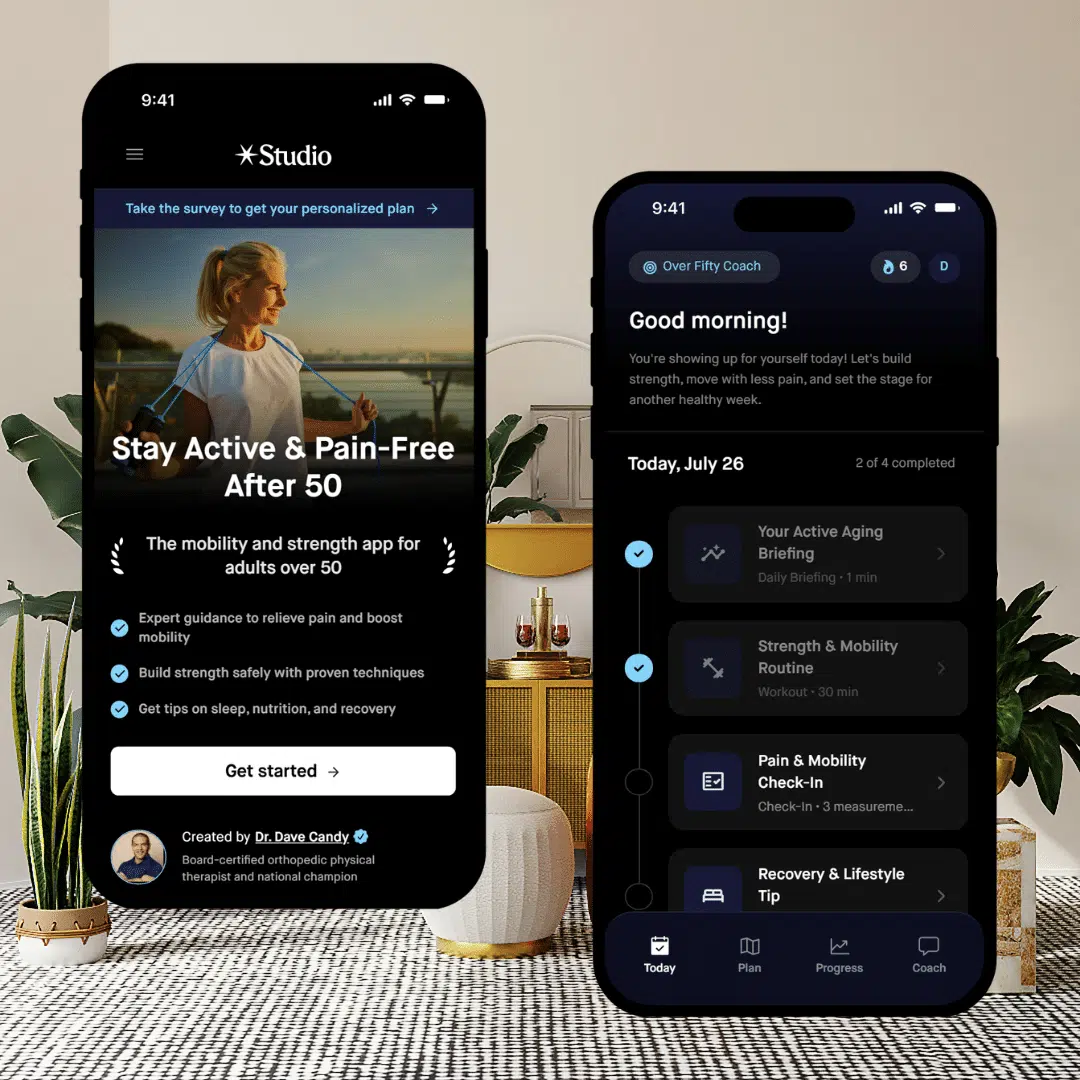
Need Help To Stay Strong and Mobile After 50?
Affiliate Disclosure: This post contains affiliate links to Amazon and/or other sites. While I only recommend products that I trust, as an Amazon Associate, I earn commission from qualifying purchases at no extra cost to you.
Medical Disclaimer: The content on this site is for educational and informational purposes only and is not intended as medical advice. Always consult with a qualified healthcare professional before beginning any new exercise program, diet, or supplement regimen, especially if you have pre-existing health conditions.