
Introduction to Compression Boots
Air compression boots are becoming essential tools for athletes and fitness enthusiasts looking to reduce muscle soreness and enhance recovery after exercise. With various brands and features available, finding the best compression boots can be daunting. In this guide, we will explore four popular brands of compression boots, comparing their unique features and benefits, to help you make an informed decision.
Understanding Air Compression Boots
Air compression boots work by applying pressure to the legs, which helps to squeeze fluid away from the limbs and back towards the heart. It’s important to find a balance in pressure settings; too much pressure can compromise blood flow.
Key Features to Consider
- Pressure Levels: Look for adjustable pressure settings. Most brands offer multiple levels, typically ranging from 50 mmHg to 250 mmHg.
- Chamber Design: The number of air chambers affects the effectiveness of the compression. More chambers can provide targeted relief.
- Ease of Use: Consider how easy the boots are to put on and take off. Zip-up designs are often more convenient than Velcro.
- Heating Features: Some boots offer heat settings to enhance relaxation and recovery.
- Portability: A good travel case is essential for athletes on the go.
Brand Comparisons
1. Reathlete Compression Boots
The Reathlete boots feature four air chambers and adjustable pressure settings from 75 mmHg to 187.5 mmHg in increments of 37.5 mmHg. However, it’s important to note that more pressure is not necessarily better. Too much pressure (over approximately 120mmHg) can start to restrict arterial blood flow to the legs.
One drawback is the Velcro closure, which can be cumbersome when putting on or removing the boots. Additionally, the presence of air pockets may not provide optimal compression.

2. Cincom Compression Boots
The Cincom boots stand out for their zip-up design and six air chambers, providing an effective compression experience. With pressure settings ranging from 50 mmHg to 150 mmHg in 10 mm increments, they allow for precise adjustments.
Three different programs help target various muscle groups effectively. These boots are also more convenient to use, as they eliminate the tangling issues associated with Velcro closures.

3. Lymneth Compression Boots
Lymneth offers a hybrid design with zippers around the lower leg and Velcro straps around the knee and thighs.
The Lymneth boots have multiple pressure settings up to 160 mmHg in 15 mmHg increments. This brand includes a unique heating option, making it the best choice for those looking for warmth during recovery sessions. The range of settings allows for customization based on individual needs.

4. Wellue Compression Boots
The Wellue boots are notable for their battery-operated feature, which means you don’t need to be near an outlet when using them.
They have eight segments and go as high as 250 mmHg increments of 50 mmHg. But remember, more pressure isn’t necessarily better, so the functional pressures are really only 50 mmHg and 100 mmHg.
They do have a heating feature, but it is more of an afterthought. It’s not nearly as good as the Lymenth heating mechanism.
Conclusion: Which Compression Boots Are Best?
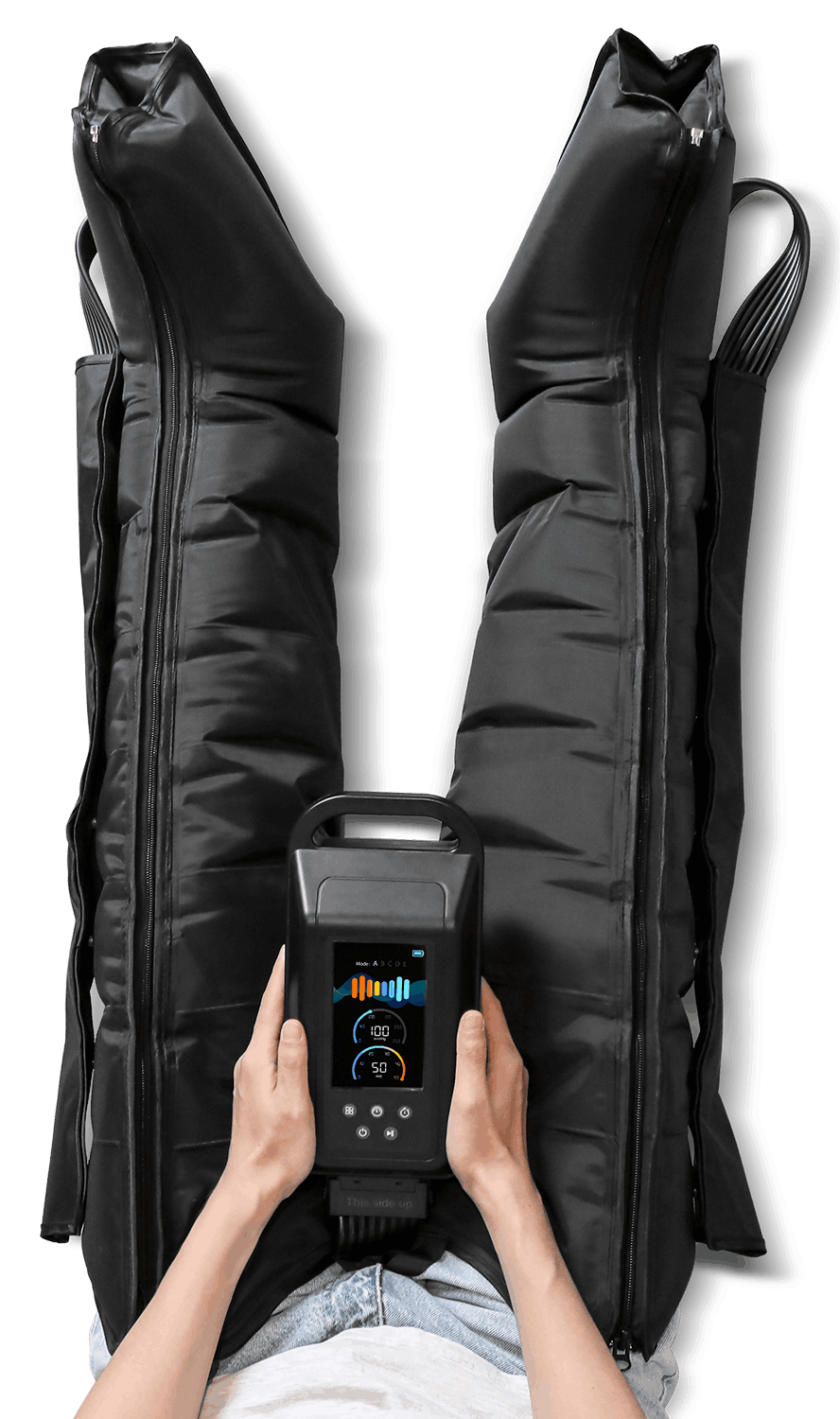
After comparing these four brands, the Cincom compression boots emerge as the top choice for ease of use, effective compression, and overall functionality. They provide a balance of comfort and performance, making them suitable for a range of users. Remember to consider your personal needs when selecting compression boots, and consult with a physical therapist if you have specific concerns. Your recovery journey is important—choose wisely!