
Understanding Frozen Shoulder
Recovering from a frozen shoulder doesn’t have to take over a year. In fact, with the right approach, you can improve your shoulder mobility and reduce pain in a matter of weeks. In this post, we will explore actionable tips that focus on enhancing your shoulder mobility without exacerbating your discomfort.
What is Frozen Shoulder?
Frozen shoulder, also known as adhesive capsulitis, is characterized by stiffness and pain in the shoulder joint. While the exact cause remains unclear, it commonly affects individuals between the ages of 40 and 60, especially women. Those with diabetes or thyroid disorders are at higher risk.
Tips for Improving Shoulder Mobility
While many quick-fix solutions exist online, healing a frozen shoulder requires consistent effort. Here are several effective strategies to enhance your shoulder mobility:
1. Begin with Proper Neck Posture
Start by ensuring good posture in your neck. A simple chin tuck can help create a neutral position, maximizing the space for the nerves that exit your neck and innervate the shoulder. This foundational adjustment can alleviate some neural irritability linked to frozen shoulder.
2. Use a Stretching Strap
Utilizing a stretching strap—or even a dog leash or bed sheet—can help. Sit on one end of the strap, pull the other end over your shoulder, and gently tilt your neck to the side. This technique helps to stretch the muscles that may be contributing to your frozen shoulder.
3. Release Tension in the Chest
To release tension in the chest muscles, locate tender areas beneath your chest muscles and apply gentle pressure for about a minute. This can help relieve tightness in the pectoral muscles, which often contribute to shoulder stiffness.
4. Focus on Rotator Cuff Muscles
Addressing the rotator cuff muscles is crucial. Pinch the area between your arm bone and shoulder blade to release tightness. Another area to focus on is the subscapularis muscle, located on the front side of your shoulder blade. Press gently in this area to alleviate tension.
5. Utilize a Tennis Ball
One way to ease the tightness in the shoulder area is by using a tennis ball. Position the ball under your shoulder blade while lying on a hard surface. This pressure can help relieve stiffness in the shoulder and the muscles between your shoulder blades.
6. Perform Nerve Glides
Nerve glides are essential for minimizing nerve sensitivity before moving your shoulder. Start with your elbows at your side, extend your arm, and touch your shoulder. Repeat this motion gently, ensuring you stay within a pain-free range.
7. Gradually Increase Shoulder Movement
Once you feel comfortable, begin incorporating shoulder exercises. Focus on internal and external rotation by moving your arms out to the side and then inwards. This movement is vital for improving your range of motion.
8. Wall Slide Exercise
To work on shoulder flexion, use a wall. Position your forearms parallel to the wall and slide them upwards. This technique helps reduce the weight of your arms, making the movement easier and less painful.
Consulting with Your Doctor
If you’re experiencing symptoms of frozen shoulder, consider consulting with your healthcare provider. A thorough check-up can rule out any underlying issues related to diabetes or thyroid disorders.
Conclusion
Frozen shoulder recovery is a gradual process that requires patience and consistency. By implementing these tips, you can improve your shoulder mobility and alleviate pain effectively. Remember, it’s important to listen to your body and consult with a healthcare professional for personalized advice.
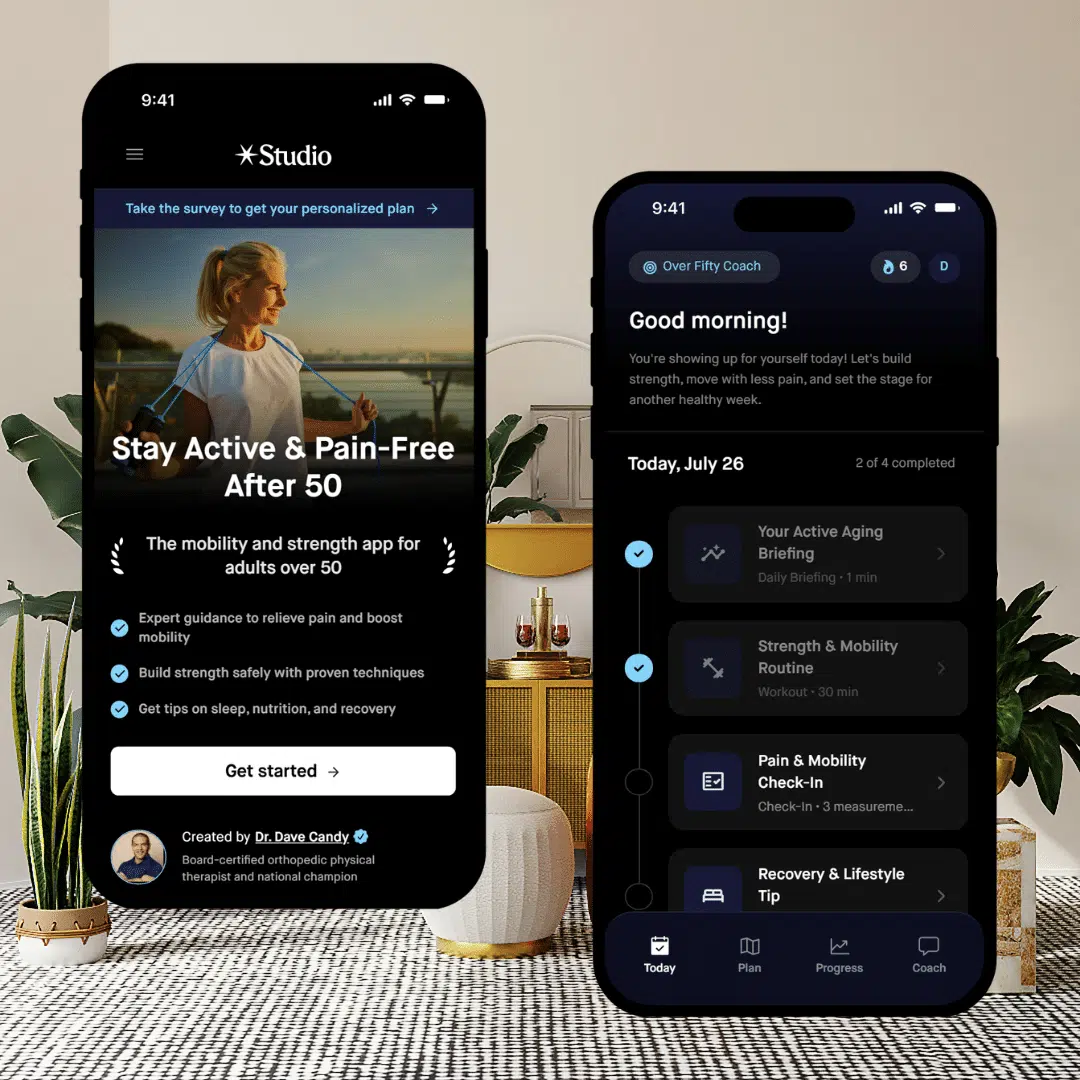
Need Help To Stay Strong and Mobile After 50?
Affiliate Disclosure: This post contains affiliate links to Amazon and/or other sites. While I only recommend products that I trust, as an Amazon Associate, I earn commission from qualifying purchases at no extra cost to you.
Medical Disclaimer: The content on this site is for educational and informational purposes only and is not intended as medical advice. Always consult with a qualified healthcare professional before beginning any new exercise program, diet, or supplement regimen, especially if you have pre-existing health conditions.