
Introduction
Pull-ups are a fantastic exercise for building strength in your back and arms, but many people over 50 feel they may have missed their chance to start. The good news is that with the right techniques and modifications, you can safely begin doing pull-ups, even if you’ve never attempted one before. This guide will walk you through the steps to successfully integrate pull-ups into your fitness routine.
Understanding the Basics of Pull-Ups
Before diving into the mechanics, it’s essential to understand what a pull-up entails. The exercise primarily targets your upper back and arms, requiring a combination of strength and technique. To achieve a successful pull-up, you need to master your grip and the correct body positioning.
Choosing Your Grip
Your grip is crucial for performing pull-ups effectively. Avoid grasping the bar solely with your palms, as this can lead to slipping. Instead, hook your fingers over the bar, ensuring the bar rests in your last two knuckles. You can choose between a false grip, where your fingers are over the top, or wrapping your thumbs around the bar. Experiment with both to see which feels more comfortable.
Finding the Right Width
The width of your grip also plays a significant role. A wider grip primarily targets your upper lats and can be more challenging. A narrower grip or a neutral grip is typically easier and allows for a more straightforward pull. For beginners, a grip that is slightly wider than shoulder-width is often the best choice.
Initiating Your Pull-Up
Pull-ups are not just about pulling with your arms; they are predominantly a back exercise. Start in a dead hang position, then engage your upper back by pulling your shoulder blades down towards your back pockets. This engagement is known as a scapular pull-up, where your arms remain straight as you activate your back muscles.
Proper Body Positioning
Maintaining the right body position is critical to avoid injury. Keep your lower back from arching excessively; instead, position your feet slightly out in front of you. This adjustment helps you maintain a neutral spine and allows for better engagement of your lats, which are essential for performing the pull-up correctly.
Building Up to Your First Pull-Up
For many, assistance is key when starting your pull-up journey. Using a pull-up band can greatly reduce the weight you need to lift. Set the band up on the bar, ensuring it is secure, and step into it. As you grip the bar, hook your fingers and position your feet appropriately. This method will help you perform the pull-up with greater ease.
Alternative Exercises
If you find it difficult to perform a pull-up using assistance bands, consider starting with inverted rows. This exercise allows you to offload some body weight by using your legs while still pulling yourself towards a bar. Adjust the height of the bar to find the position that works best for you.
Another great option is the lat pull-down machine, which mimics the pull-up movement. Focus on engaging your scapula as you pull the bar down towards your chest, squeezing your back muscles together. Gradually increase the weight until you can comfortably perform bodyweight pull-ups.
Next Steps
Regardless of which method you choose to start with, remember that consistency is key. Aim to practice regularly, focusing on form and engagement of the correct muscles. As you progress, you’ll be one step closer to achieving your first pull-up.
Conclusion
Starting pull-ups at 50+ can be challenging, but with the right techniques and modifications, you can safely work towards this rewarding exercise. Remember to listen to your body, and don’t hesitate to adjust your approach as needed. Embrace the journey and celebrate every small victory along the way!
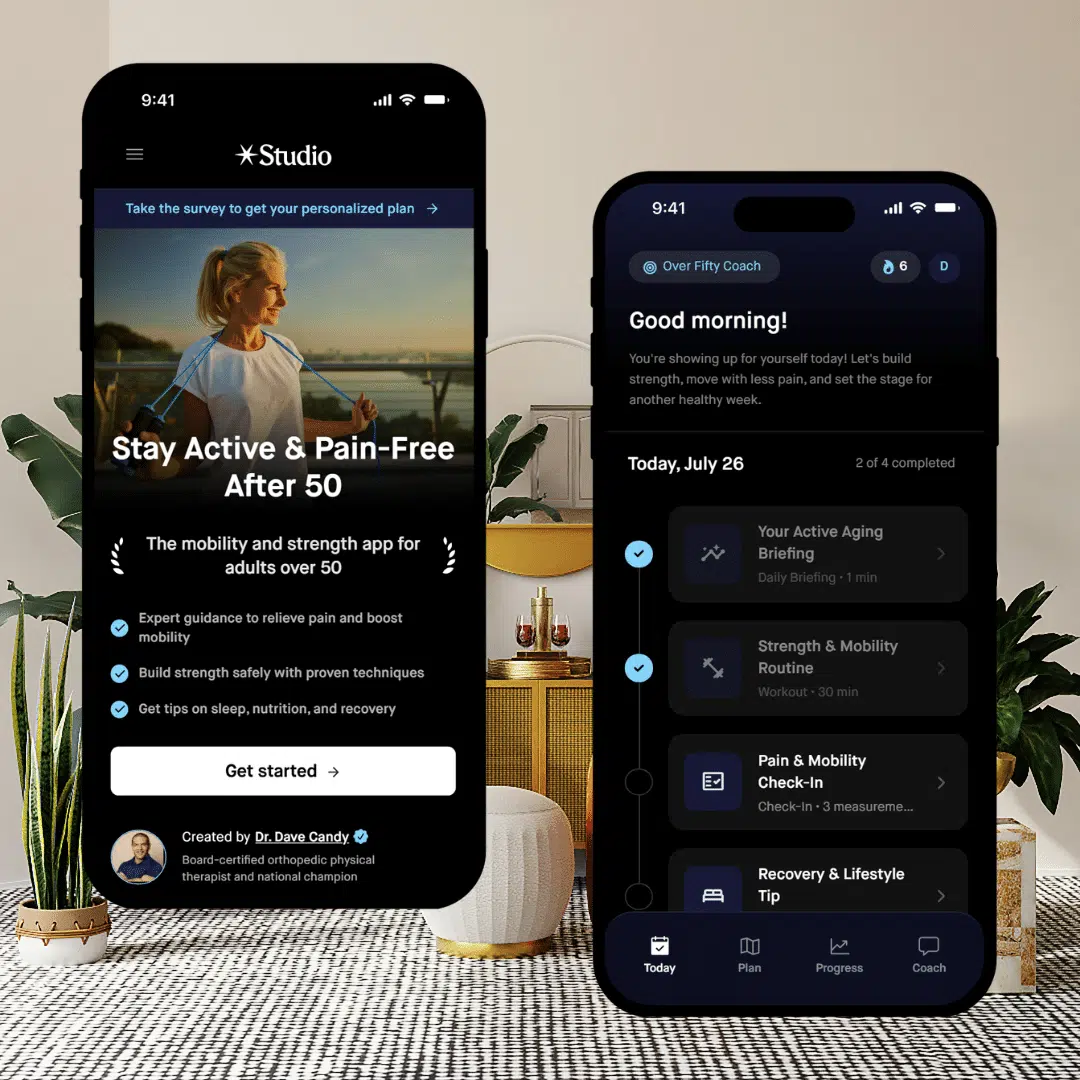
Need Help To Stay Strong and Mobile After 50?
Affiliate Disclosure: This post contains affiliate links to Amazon and/or other sites. While I only recommend products that I trust, as an Amazon Associate, I earn commission from qualifying purchases at no extra cost to you.
Medical Disclaimer: The content on this site is for educational and informational purposes only and is not intended as medical advice. Always consult with a qualified healthcare professional before beginning any new exercise program, diet, or supplement regimen, especially if you have pre-existing health conditions.