
Introduction
As we age, our bodies change and so do our nutritional needs. At 42 years old, I decided to experiment with a higher dosage of creatine—20 grams daily for 30 days—to explore its potential benefits on strength and cognitive function.
For reference, I had taken 5 grams of creatine daily for 6-12 months about 20 years ago. I didn’t notice any results a the time, so I stopped and hadn’t taken it since until the start of my experiment.
Understanding Creatine
Creatine is a naturally occurring compound that helps provide energy to muscles during high-intensity exercise. While the standard dosage has long been 5 grams per day, recent studies suggest that higher doses may enhance cognitive performance, making it worth reconsidering for those of us over 40.
The Experiment
My goals were threefold: to assess any negative side effects, measure improvements in strength, and evaluate cognitive enhancement. To start, I divided my daily intake into three doses: 10 grams in the morning, 5 grams midday, and 5 grams in the afternoon.
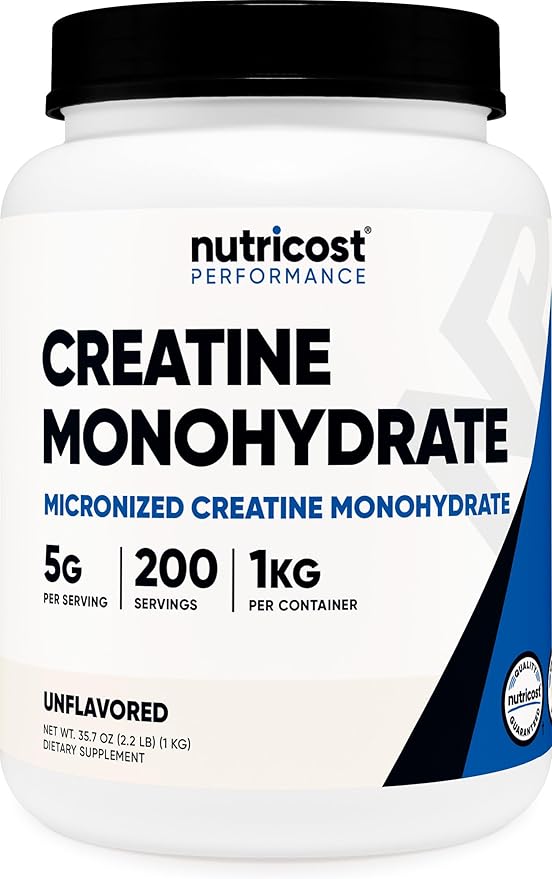
The creatine that I used was Nutricost Performance Creatine Monohydrate. Creatine monohydrate is the type used in most studies, and this brand was third party tested.
Side Effects
The most common side effects of creatine include abdominal discomfort and bloating. Surprisingly, I experienced none of these symptoms during my 30-day trial. Although I did gain about 4 pounds, most of this was likely water weight due to creatine’s ability to draw water into the muscles.
Strength Improvements
In terms of strength, I observed notable changes. After the first week, I could perform two more repetitions with the same weight for most exercises, particularly in the 8 to 12 repetition range. However, my absolute maximum strength didn’t see significant changes, likely because 30 days is a short time frame for such adaptations.
How Creatine Works
Creatine binds with phosphate to form phosphocreatine, which helps replenish ATP (adenosine triphosphate)—the energy currency of the body. When ATP is used during exercise, it turns into ADP (adenosine diphosphate) + phosphate.
Phosphocreatine then donates a phosphate to ADP to reform ATP and allow you to continue exercising longer.
Cognitive Function
The cognitive benefits of creatine were of particular interest to me. While improvements were modest, I noticed enhanced speed in mental math tasks, making it easier to handle daily business needs. Research indicates that creatine can improve processing speed, particularly beneficial for tasks requiring focus.
Who Benefits Most?
Cognitive benefits may be more pronounced in individuals with existing cognitive deficits, such as those who are sleep-deprived or experiencing age-related decline. While my results were subtle, they align with research suggesting that creatine can enhance cognitive function under certain conditions.
Conclusion: Is It Worth It?
Overall, my experience with 20 grams of creatine daily yielded better muscle strength results compared to my previous experience with 5 grams. However, the cognitive improvements were less clear-cut. Moving forward, I plan to reduce my intake to 10 grams per day to assess if I can maintain similar benefits without the higher dosage.
If you’re over 40 and considering creatine, it may be worth experimenting with different dosages to find what works best for you. It’s always advisable to start with smaller doses though to assess for any side effects, and make sure to talk to your doctor if you have any concerns about how creatine may affect you.