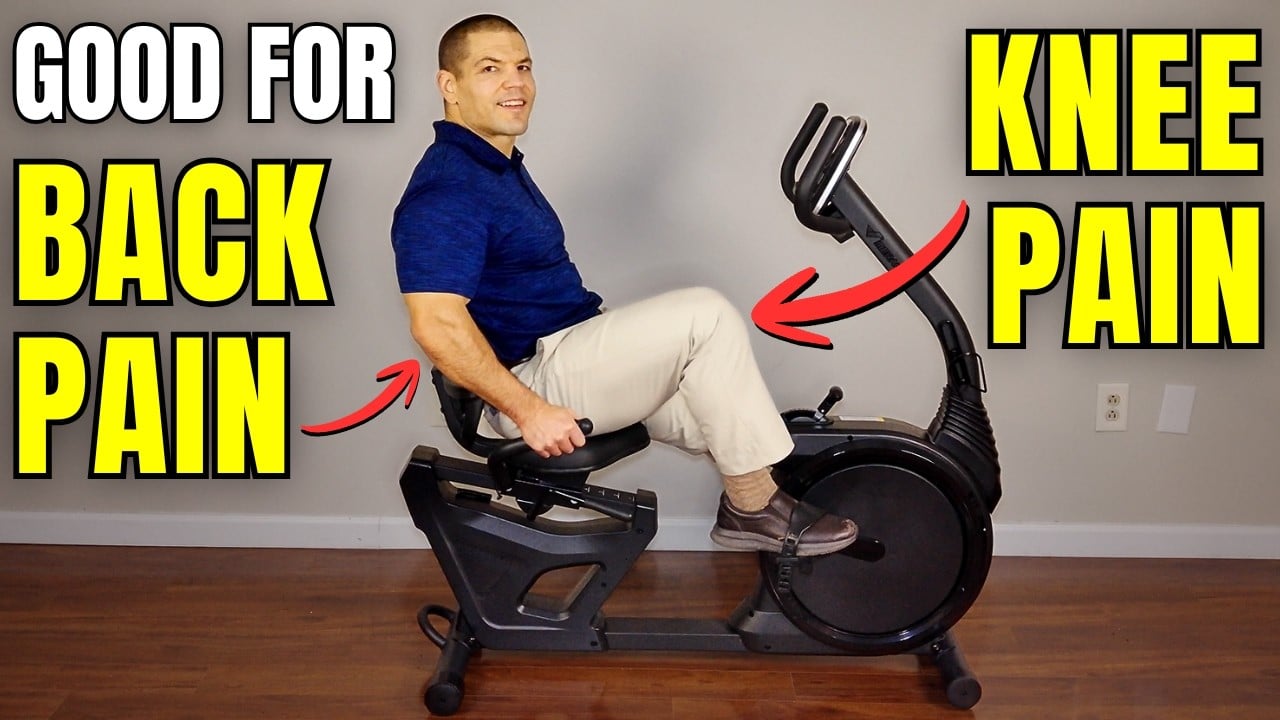
Understanding Recumbent Bikes
If you struggle with back or knee pain, a recumbent bike can be an excellent addition to your fitness routine. This type of exercise equipment is especially beneficial for seniors, those recovering from surgery, or anyone dealing with chronic pain conditions. Unlike walking, recumbent bikes offer a supportive seating position that alleviates pressure on your joints, making exercise more comfortable.
Benefits of Using a Recumbent Bike
One of the primary advantages of a recumbent bike is its ergonomic design. The backrest supports your lumbar spine, eliminating the need to engage trunk muscles as you would with upright bikes or walking. This feature is particularly important for individuals with conditions such as sciatica, spinal stenosis, or knee arthritis.
Additionally, the motion of a recumbent bike is more gentle and back-and-forth, reducing compression on the spine compared to traditional upright bicycles. This design minimizes the strain on hip flexors, allowing for a more comfortable workout experience.
How to Use a Recumbent Bike Properly
To ensure you get the most out of your recumbent bike, it’s crucial to set it up correctly. The seat should be adjusted so that your knee can fully extend without straining. Aim to find a position where you can push the pedal comfortably without reaching too far.
For those recovering from knee surgeries or experiencing limited range of motion, start with gentle motions. Begin with half revolutions before progressing to full revolutions as your strength increases. This method helps to gradually improve your range of motion and build confidence.
Gradually Increasing Resistance
Once you’re comfortable pedaling smoothly, you can start to increase the resistance. Most recumbent bikes, like the Morray S19 Pro, come with adjustable magnetic resistance settings. Start with a lower level to maintain a focus on range of motion and then gradually increase it based on your fitness goals.
If your aim is cardiovascular fitness, focus on increasing your speed and heart rate. The bike is equipped with a heart rate monitor to track your progress, making it easier to understand your exertion levels.
Using a Recumbent Bike at Home
One of the greatest benefits of having a recumbent bike at home is the convenience it offers. You can hop on for short workouts whenever you have time, whether it’s for five minutes or longer. This flexibility can encourage consistent exercise, which is essential for managing back and knee pain effectively.
Unlike trips to the gym, which require time and commitment, a home bike allows you to squeeze in workouts throughout the day. This can be especially beneficial for those managing pain, as short bouts of low-impact exercise can help improve mobility and reduce discomfort.
Final Thoughts
In conclusion, a recumbent bike can be an invaluable tool for individuals dealing with back and knee pain. By providing a supportive environment for low-impact exercise, it encourages movement without the strain associated with other forms of cardio. If you’ve had experience with a recumbent bike, especially in physical therapy, it’s worth sharing your insights to help others.
Consider incorporating a recumbent bike into your routine to take control of your health and wellness. Remember, the key is to listen to your body and progress at your own pace.