
Understanding Knee Arthritis Pain
Knee arthritis pain affects many individuals, causing discomfort and limiting mobility. It’s essential to recognize that not all knee pain stems from arthritis. Studies show a significant overlap between knee pain and arthritis, but they don’t always correlate. Just because you experience knee pain doesn’t mean arthritis is the culprit, and vice versa. In this post, we’ll explore effective self-treatments to help relieve knee arthritis pain at home.
What is Knee Arthritis?
Knee arthritis refers to inflammation of the knee joint, which may cause pain and stiffness. There are various forms of arthritis, but osteoarthritis is the most common. This condition can lead to changes in joint alignment and movement, which may exacerbate pain. Understanding how your knee works will help you effectively manage your symptoms.
The Anatomy of the Knee Joint
The knee is a complex joint that allows for multiple degrees of movement. It’s not just a simple hinge; it has three compartments: the inner compartment, outer compartment, and the patellofemoral compartment between the femur and patella. Arthritis can affect any of these compartments, leading to pain and limited mobility.
Self-Treatment Techniques for Knee Arthritis
While professional physical therapy is advisable for severe cases, you can perform several self-treatment techniques at home to alleviate knee arthritis pain. Here are some effective methods:
1. Manual Therapy Techniques
Manual therapy involves using your hands to mobilize the knee joint. One effective method is to assist the tibia (lower leg bone) in gliding forward to promote better knee extension. To perform this technique, follow these steps:
- Place a towel under your knee, ensuring it fills the gap but doesn’t sit directly behind your knee.
- With one hand on your thigh, press down gently while using the other hand to grasp the tibia.
- Rotate the tibia outward slightly while applying pressure to assist in gliding the joint.
This technique helps improve knee extension and can lead to decreased pain.
2. Enhancing Knee Flexion
Bending your knee may become difficult due to arthritis. A common exercise to improve knee flexion is the heel slide. Here’s how to do it:
- While lying down, use a towel to pull your heel towards you, sliding it along the surface.
- As you do this, focus on keeping your movement controlled and gentle.
- To enhance this exercise, place your hands around your tibia, pulling gently inward while also moving backward.
This method promotes better knee bending without causing undue stress.
3. Addressing Side-to-Side Movements
When walking, improper alignment can lead to pain. To correct any misalignment, assess your knee by feeling for any offsets. If one side appears to protrude, use the following technique:
- Place one hand on the inner side of the tibia and the other on the outer side of the femur.
- Gently press inward with one hand while stabilizing with the other.
This small oscillation can help realign the knee joint, potentially reducing pain.
4. Mobilizing the Patellofemoral Joint
The final compartment to address is the patellofemoral joint. To improve patellar movement, you can:
- Sit with your leg out straight and place a towel roll behind your knee.
- Push down on the kneecap or pull it towards you, ensuring your leg remains relaxed.
These movements promote better kneecap mobility, aiding overall knee function.
When to Seek Professional Help
If you experience significant knee arthritis pain despite trying these self-treatments, it may be time to consult a manual physical therapist. They can provide tailored guidance and hands-on treatment to further alleviate your symptoms.
Conclusion
Relieving knee arthritis pain at home is possible through self-treatment techniques that promote mobility and reduce discomfort. By understanding your knee’s anatomy and employing manual therapy, you can become your own physical therapist. Remember to listen to your body and consult a professional if your pain persists.
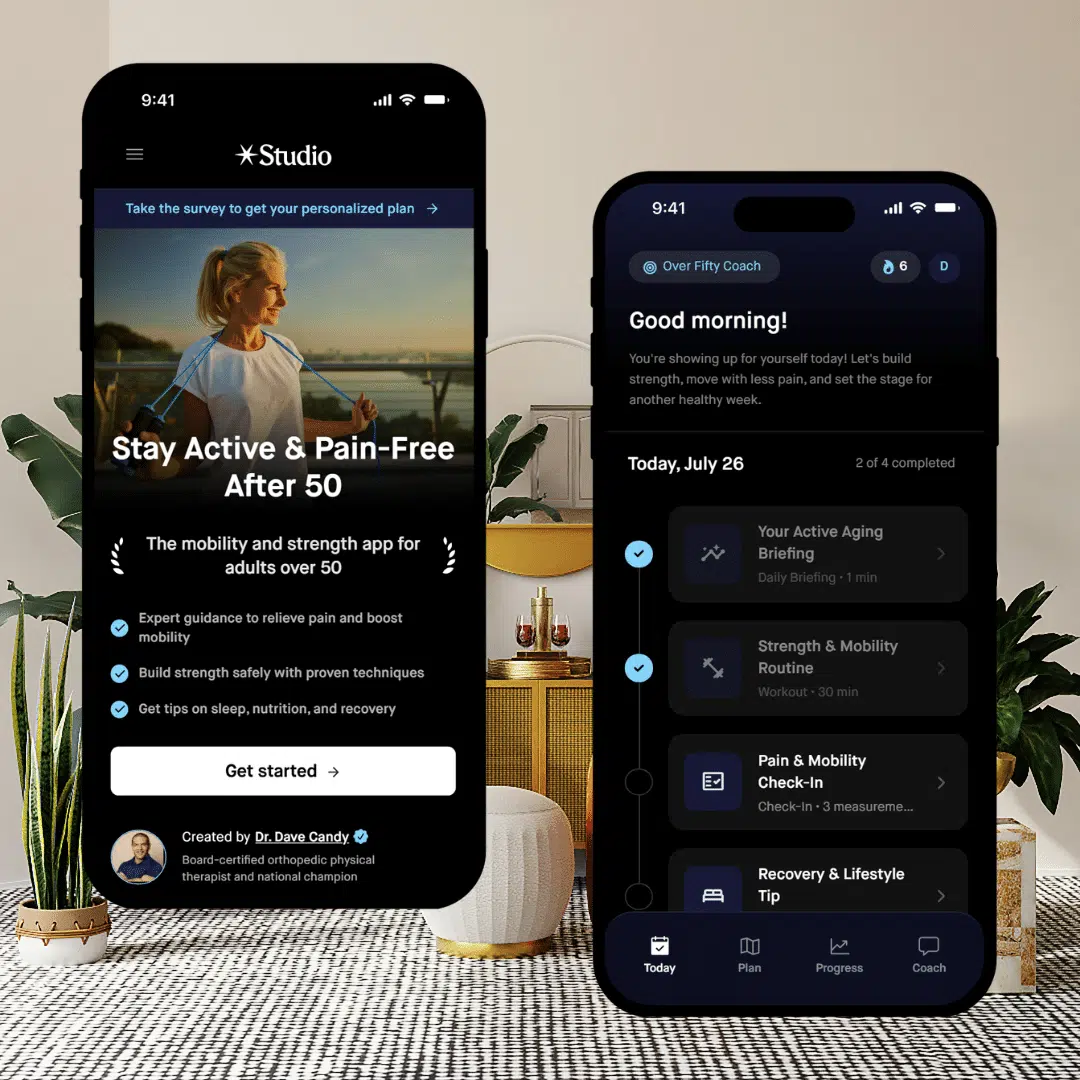
Need Help To Stay Strong and Mobile After 50?
Affiliate Disclosure: This post contains affiliate links to Amazon and/or other sites. While I only recommend products that I trust, as an Amazon Associate, I earn commission from qualifying purchases at no extra cost to you.
Medical Disclaimer: The content on this site is for educational and informational purposes only and is not intended as medical advice. Always consult with a qualified healthcare professional before beginning any new exercise program, diet, or supplement regimen, especially if you have pre-existing health conditions.