
Understanding Glute Health After 50
If you’re over 50 and feeling like your glutes are becoming flatter and weaker, you’re not alone. Many individuals experience this change, but it’s important to note that it’s not merely a consequence of aging. Factors like neurological changes can impact the function of your glutes, leading to what is often termed “gluteal amnesia.” The good news is understanding these changes can help you activate your glute muscles effectively.
The Anatomy of Your Glutes
Your glutes consist of three primary muscles: the gluteus maximus, gluteus medius, and gluteus minimus. These muscles play crucial roles in hip movement and stability. They require proper signals from the brain to activate, specifically from the superior and inferior gluteal nerves that arise from the L4, L5, and S1 levels of your lower back.
Neurological Changes and Glute Activation
As we age, degenerative changes in the spine can affect the nerve roots responsible for glute activation. Loss of disc height in the lower back can narrow the spaces where these nerves exit, making it harder for your glutes to receive the necessary signals. Therefore, simply performing glute exercises may not suffice; restoring the signal from your brain to your glutes is vital.
Maintaining Spine Neutrality During Exercises
To effectively engage your glutes during workouts, maintaining a neutral spine is essential. Here are some tips for popular glute exercises:
Clamshells
When performing clamshells, ensure you only move your hip and avoid rolling back. This can lead to spinal rotation and improper muscle engagement. Start by finding your spinal neutral position, then lift your knee slightly while keeping your pelvis stable. Feel the glute muscles activate as you lift.
Bridges
Bridges are great for glute activation, but avoid arching your back. Start with a pelvic tilt to flatten your lower back against the ground. Then, perform a slight lift while keeping your spine neutral. Focus on squeezing your glutes and abdominals throughout the movement.
Donkey Kicks and Bird Dogs
For donkey kicks, avoid arching your back as you lift your leg. Find a neutral spinal position, and only lift your leg as high as you can without losing that position. The same goes for bird dogs; maintain spinal neutrality throughout the movement.
Progressing Your Glute Strengthening Routine
While performing these exercises correctly is crucial, they may not provide enough load to strengthen your glutes in real life. To progress, consider incorporating standing exercises, such as squats.
Squats for Glute Activation
To optimize squats for glute activation, push your hips back while leaning your trunk slightly forward. This adjustment shifts the focus from your quadriceps to your glutes. A wider stance with your knees turned out can further enhance glute engagement.
Incorporating Weights for Progressive Overload
As you become comfortable with your routine, consider adding weights to increase resistance. For example, holding a dumbbell at chest level while performing squats allows for greater glute activation. Remember to maintain proper form by keeping your knees aligned with your feet.
Sumo Deadlifts
Another effective exercise is the sumo deadlift, which targets your glutes and hamstrings. Start with a wide stance and a dumbbell positioned under your center of gravity. Perform the deadlift by pushing your hips back and then forward, ensuring you maintain proper spinal alignment.
Conclusion: Take Action for Stronger Glutes
Understanding how to effectively engage your glutes is crucial, especially after 50. By implementing proper techniques and progressively increasing load, you can revitalize your glute strength. Start incorporating these exercises into your routine today, and enjoy the benefits of stronger, healthier glutes.
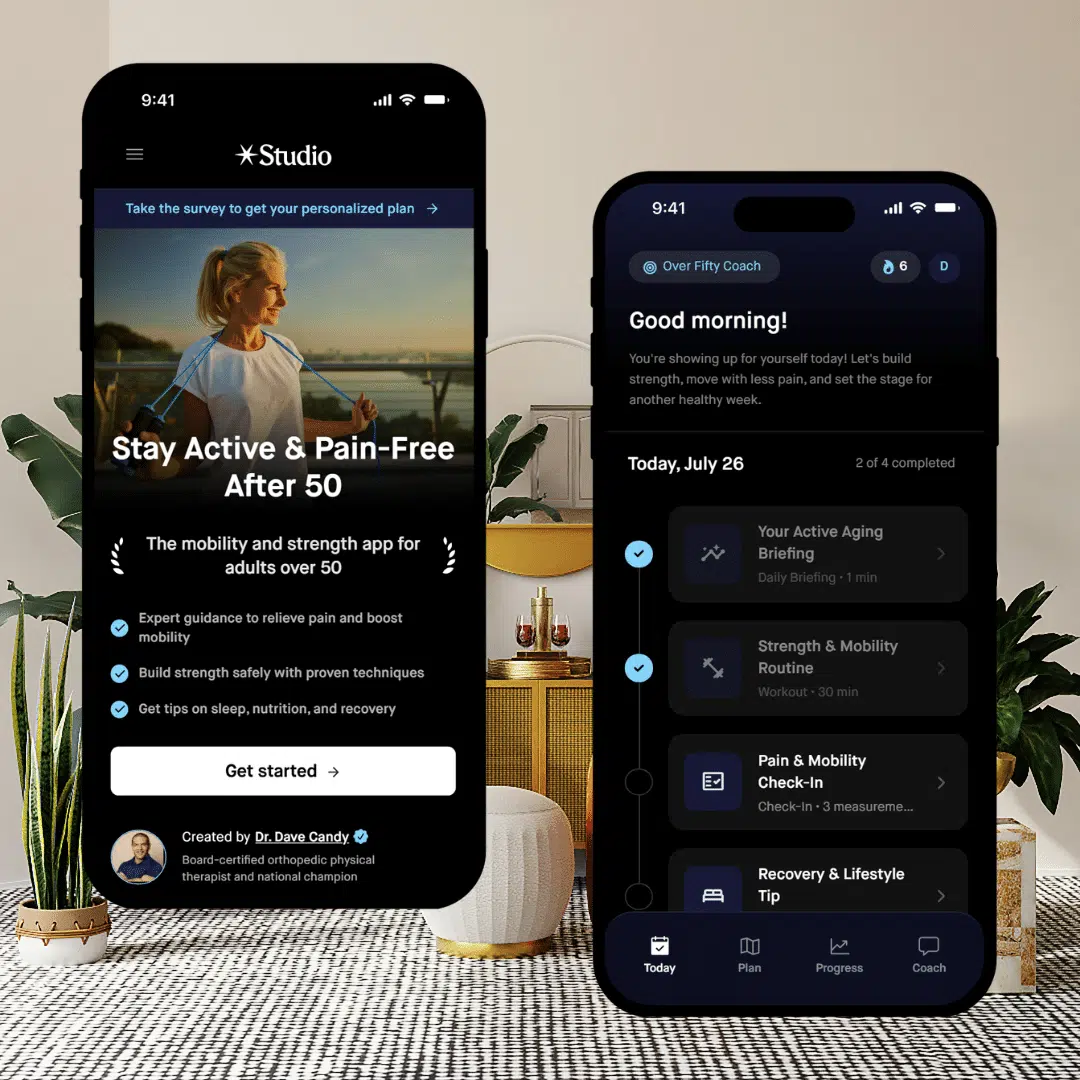
Need Help To Stay Strong and Mobile After 50?
Affiliate Disclosure: This post contains affiliate links to Amazon and/or other sites. While I only recommend products that I trust, as an Amazon Associate, I earn commission from qualifying purchases at no extra cost to you.
Medical Disclaimer: The content on this site is for educational and informational purposes only and is not intended as medical advice. Always consult with a qualified healthcare professional before beginning any new exercise program, diet, or supplement regimen, especially if you have pre-existing health conditions.