
Understanding Numbness in the Little Finger
Numbness in your little finger can be more than just an annoyance; it may signal underlying nerve issues. This article explores what causes numbness in the little finger and provides actionable tips to alleviate the discomfort.
The Ulnar Nerve and Its Pathway
The little finger and part of the ring finger are innervated by the ulnar nerve. This nerve starts in the lower neck, travels through the shoulder region, and runs down the inner arm to the wrist before branching into the fingers. Understanding the pathway of the ulnar nerve is essential for identifying potential areas of entrapment or irritation.
Potential Causes of Numbness
There are several places along the ulnar nerve’s pathway where it can become entrapped, leading to numbness. The most common sites include:
- Cervical Spine (Neck): The C8 and T1 nerve roots are critical for the ulnar nerve’s function. Conditions such as degenerative disc disease can decrease the space these nerves need, leading to compression.
- Thoracic Outlet: The area where the brachial plexus and ulnar nerve pass through can become compressed due to poor posture or muscle tightness.
- Cubital Tunnel: The ulnar nerve passes through a small tunnel at the elbow, often referred to as the cubital tunnel. Hitting your elbow in this area can cause temporary numbness, but sustained pressure can lead to chronic issues.
- Tunnel of Guyon: At the wrist, the ulnar nerve can also be irritated by prolonged pressure, such as resting your hand on a hard surface.
Identifying and Addressing the Problem
If you experience numbness in your little finger, it’s important to first identify the source. Here are some strategies to manage and alleviate symptoms:
Posture Correction
Maintaining proper posture is crucial. Ensure your neck is aligned and avoid positions that compress the nerve, such as holding your phone between your ear and shoulder. A good sleeping position is also vital; use a pillow that keeps your neck in a neutral position.
Exercises to Alleviate Numbness
Incorporating targeted exercises can help relieve pressure on the ulnar nerve. Below are some effective techniques:
- Neck Stretches: Gently tilt your head away from the affected side while stabilizing your first rib with a strap or towel. This helps open the spaces where the nerve exits the neck.
- Shoulder Elevation: Raise your arm above your head and lean slightly to the opposite side. This can help relieve pressure on the thoracic outlet.
- Chest Stretching: Perform a goalpost stretch by raising your arms to shoulder height and rotating your hands backward. This helps open the chest area and relieve tightness.
- Nerve Gliding: Practice nerve glides by moving your arm and hand in a way that mimics carrying a tray, then lowering it to relieve tension.
Prevention Strategies
Preventing further numbness involves more than just exercises. Here are some lifestyle adjustments to consider:
- Avoid Sustained Pressure: Be mindful of how you rest your hands, especially if you frequently use a mouse or drive for long hours. Alternate your hand positions to reduce pressure on the ulnar nerve.
- Improve Ergonomics: Ensure your workspace is set up to support good posture. Use armrests or pillows to support your arms while sitting.
- Regular Movement: Incorporate movement breaks into your day. Stretching and changing positions can help prevent nerve compression.
Conclusion: Taking the Next Step
If you experience persistent numbness in your little finger, consult a healthcare professional. They can provide a thorough assessment and recommend appropriate treatment options. By understanding the causes of your symptoms and implementing effective strategies, you can alleviate discomfort and improve your quality of life.
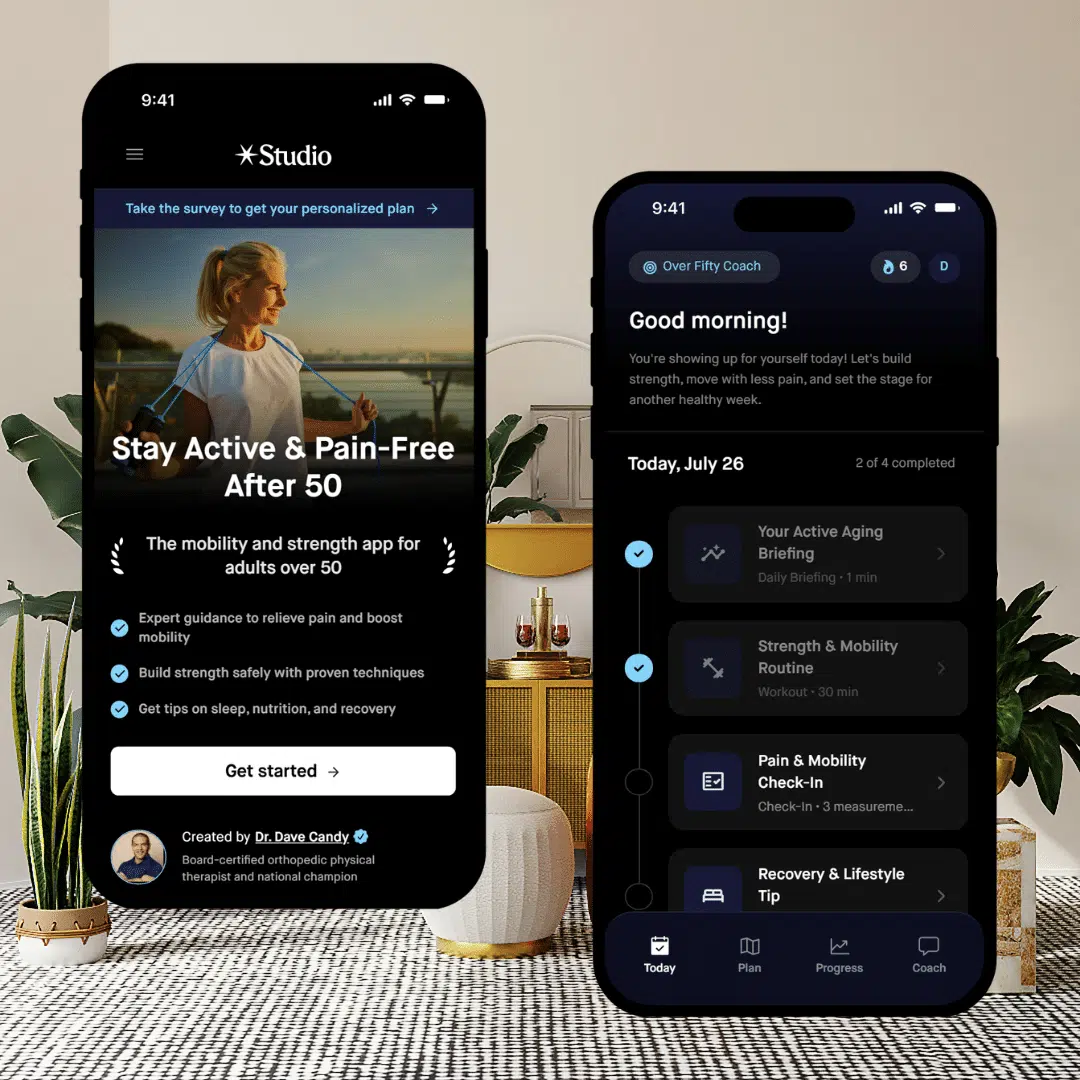
Need Help To Stay Strong and Mobile After 50?
Affiliate Disclosure: This post contains affiliate links to Amazon and/or other sites. While I only recommend products that I trust, as an Amazon Associate, I earn commission from qualifying purchases at no extra cost to you.
Medical Disclaimer: The content on this site is for educational and informational purposes only and is not intended as medical advice. Always consult with a qualified healthcare professional before beginning any new exercise program, diet, or supplement regimen, especially if you have pre-existing health conditions.