
Introduction
As we age, maintaining mobility becomes essential for a high quality of life. For individuals over 60, engaging in longevity exercises is crucial for preserving independence and overall well-being. These exercises not only promote longevity but also enhance functional movement in daily activities. In this article, we’ll explore ten longevity exercises that can be seamlessly integrated into your routine, ensuring you stay active and vigorous for years to come.
Why Longevity Exercises Matter
When we talk about longevity exercises, we emphasize the importance of a diverse movement repertoire. Limiting yourself to just a few exercises might prevent you from accessing crucial functional movements necessary for daily life. By incorporating a variety of movements, you can cover almost every functional pattern you encounter.
How to Structure Your Exercise Routine
To help manage this, we’ll break down the ten exercises into two main categories: strength training and balance exercises. You don’t need to do all ten every day; instead, aim for two strength exercises two to three times a week. For instance, you could do strength exercise A on Tuesday and exercise B on Friday. Ensure that you include at least one day of rest between training sessions.
The Foundation: Walking
Before diving into strength training, remember that walking is the number one exercise for longevity. Aim for around 150 minutes of moderate activity each week, which could be broken down into 30 minutes on five days or approximately 22 minutes daily. Walking not only helps maintain mobility but also reduces the risk of disability in older adults.
Strength Exercises for Longevity
Exercise A: Squats
The first strength exercise is the squat, which can be performed using just a chair. Start by sitting and standing up, focusing on pushing your feet into the ground. As you progress, add weights to increase resistance. Aim for three sets of 8 to 10 repetitions, ensuring you maintain good form.
Exercise B: Hip Hinge
The second exercise focuses on the hip hinge, crucial for bending down and picking things up. Use dumbbells or a kettlebell to perform a Romanian deadlift. Focus on pushing your hips back, keeping your spine neutral, and activating your glutes and hamstrings as you return to standing.
Upper Body Strength Exercises
Horizontal Push: Push-Ups
Push-ups are excellent for upper body strength. Start against a wall if you need to, and progress to a lower surface as you gain strength. Aim for 8 to 10 repetitions, focusing on maintaining proper alignment throughout.
Horizontal Pull: Dumbbell Rows
Dumbbell rows help strengthen the back. With one knee on a bench, pull the dumbbell towards your ribcage, keeping your elbow close to your side. Alternate sides to maintain balance.
Functional Exercises for Daily Activities
Farmer’s Carry
The Farmer’s Carry builds grip strength and core stability. Hold a heavy dumbbell in one hand and walk a distance, then switch hands. This mimics carrying groceries and enhances functional strength.
Lunges
Lunges, specifically reverse lunges, are effective for building lower body strength. Step back into a lunge, focusing on balance and control. Start without weights, and gradually add them as you improve.
Balance Exercises for Stability
Single-Leg Stand
To improve balance, practice standing on one leg for at least 10 seconds. Use a wall or chair for support if necessary. This exercise significantly reduces the risk of falls.
Step-Ups
Step-ups not only enhance balance but also strengthen the legs. Use a step or a low platform, stepping up and down while maintaining control. This exercise can be adjusted for difficulty by varying the height of the step.
Final Thoughts and Next Steps
By incorporating these ten longevity exercises into your routine, you can maintain your physical independence and overall health as you age. Aim to perform these exercises two to three times a week, complemented by regular walking sessions. If you’re looking for more personalized guidance, consider consulting a fitness coach or using apps designed for older adults. Prioritize your health, and enjoy the journey of staying active!
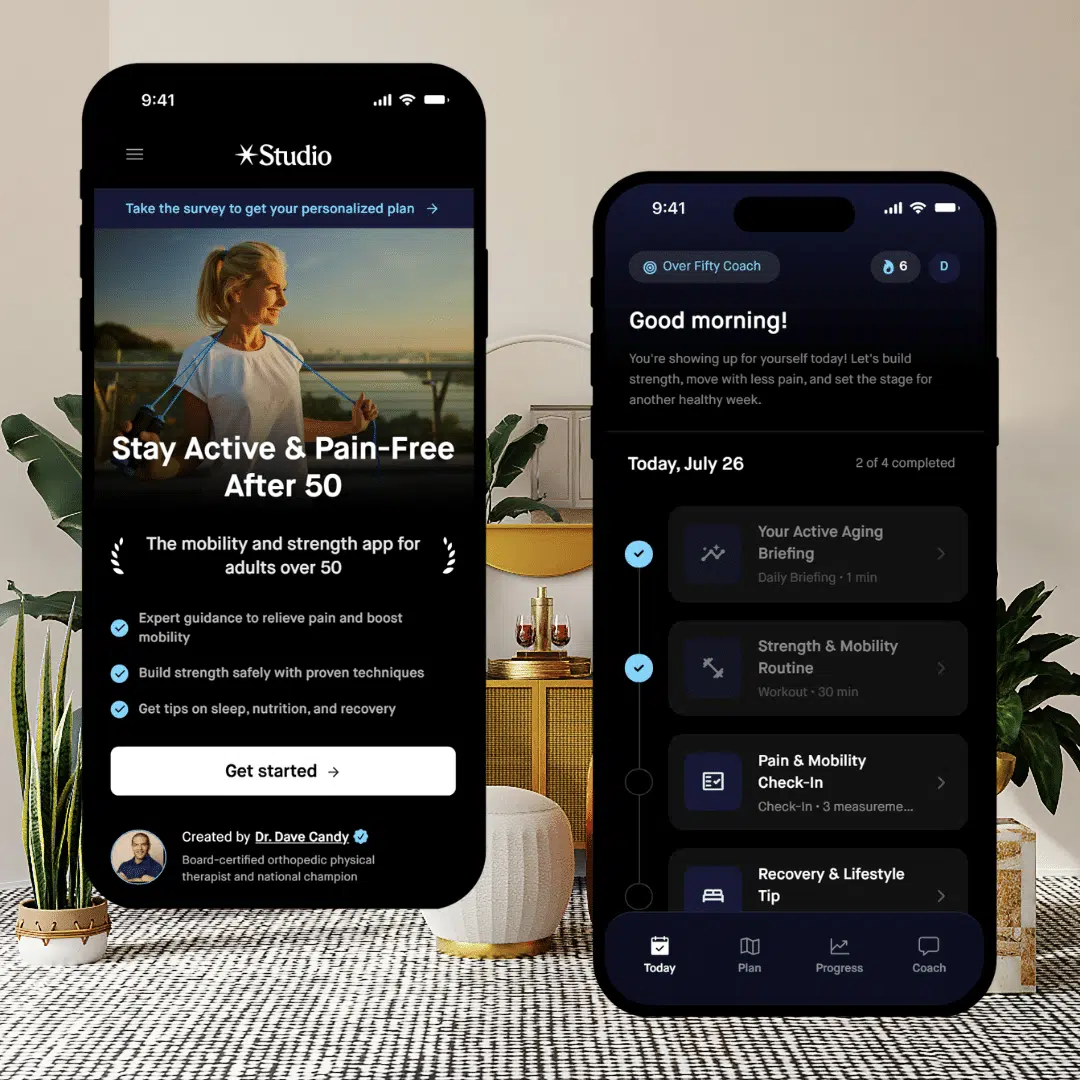
Need Help To Stay Strong and Mobile After 50?
Affiliate Disclosure: This post contains affiliate links to Amazon and/or other sites. While I only recommend products that I trust, as an Amazon Associate, I earn commission from qualifying purchases at no extra cost to you.
Medical Disclaimer: The content on this site is for educational and informational purposes only and is not intended as medical advice. Always consult with a qualified healthcare professional before beginning any new exercise program, diet, or supplement regimen, especially if you have pre-existing health conditions.