
Understanding Inner Knee Pain
If you experience inner knee pain when walking, squatting, or climbing stairs, you might feel concerned about conditions like arthritis or a meniscus tear. However, a common cause of inner knee pain is often misdiagnosed and can be resolved with simple mechanical adjustments. This article aims to provide actionable strategies to alleviate your inner knee pain effectively.
Common Causes of Inner Knee Pain
Inner knee pain can stem from various issues. Here are the four most common causes:
1. Medial Knee Osteoarthritis
This condition involves the deterioration of cartilage on the inner side of the knee joint. Pain is typically felt deep inside the knee, especially during weight-bearing activities.
2. Medial Meniscus Tear
The medial meniscus is a type of fibrocartilage that provides stability to the knee joint. A tear here can cause pain along the inner knee, accompanied by clicking or stiffness.
3. Medial Collateral Ligament (MCL) Injury
The MCL runs along the inner knee and is rarely injured unless a significant force is applied, such as during sports activities.
4. Pes Anserine Tendinopathy
Often misdiagnosed as arthritis, this condition involves three tendons that attach to the inner knee just below the bending area. Identifying the source of your pain can help target the right treatment.
Identifying the Pain Source
To differentiate between these conditions, try a simple test: sit and bend your knee at approximately 90 degrees. Press along the joint line. If you feel pain, it could indicate arthritis or a meniscus tear. However, if pain intensifies a few inches lower, it’s likely related to pes anserine tendinopathy.
Addressing Inner Knee Pain
Regardless of the structural cause of your inner knee pain, simple fixes can often resolve these issues. Many problems arise from repetitive strain injuries due to excessive twisting of the knee. This twist can lead to wear on the meniscus or joint cartilage, as well as stress on the MCL or pes anserine tendons.
Quick Fix for Immediate Relief
One quick method to relieve symptoms is to position your leg in a figure-four stance. Pull your lower leg toward you while pushing the thigh away. You may even hear a slight pop as the alignment of your knee improves.
Long-Term Solutions for Inner Knee Pain
To achieve lasting relief, it’s essential to address the underlying causes. A common issue is excessive inward foot rotation during walking, often due to stiffness in the ankle joints or calf muscles. If you cannot flex your ankle upward or push your knee over your toes while squatting or climbing stairs, other joints may compensate, leading to further issues.
Exercise 1: Foot Positioning
Begin by pressing your toes into the ground to lift your foot arch. Step forward while keeping your heel down. This exercise will stretch your calf muscles and maintain correct alignment.
Exercise 2: Strengthening Your Hips
Weak hip muscles can also contribute to inner knee pain. When walking, try placing your foot slightly on its outer edge, activating your hip muscles without much conscious effort. This technique also helps prevent the knee from collapsing inward while squatting or climbing stairs.
Practicing Proper Squatting Technique
When squatting, ensure your knees don’t buckle inward. Focus on keeping your arches raised and directing your knees outward slightly. If you struggle with depth, only go as low as feels comfortable.
Conclusions and Next Steps
While inner knee pain can be challenging, many individuals find significant relief through proper alignment and strengthening exercises. By incorporating these techniques into your daily routine, you can reduce strain on your knee and improve overall function.
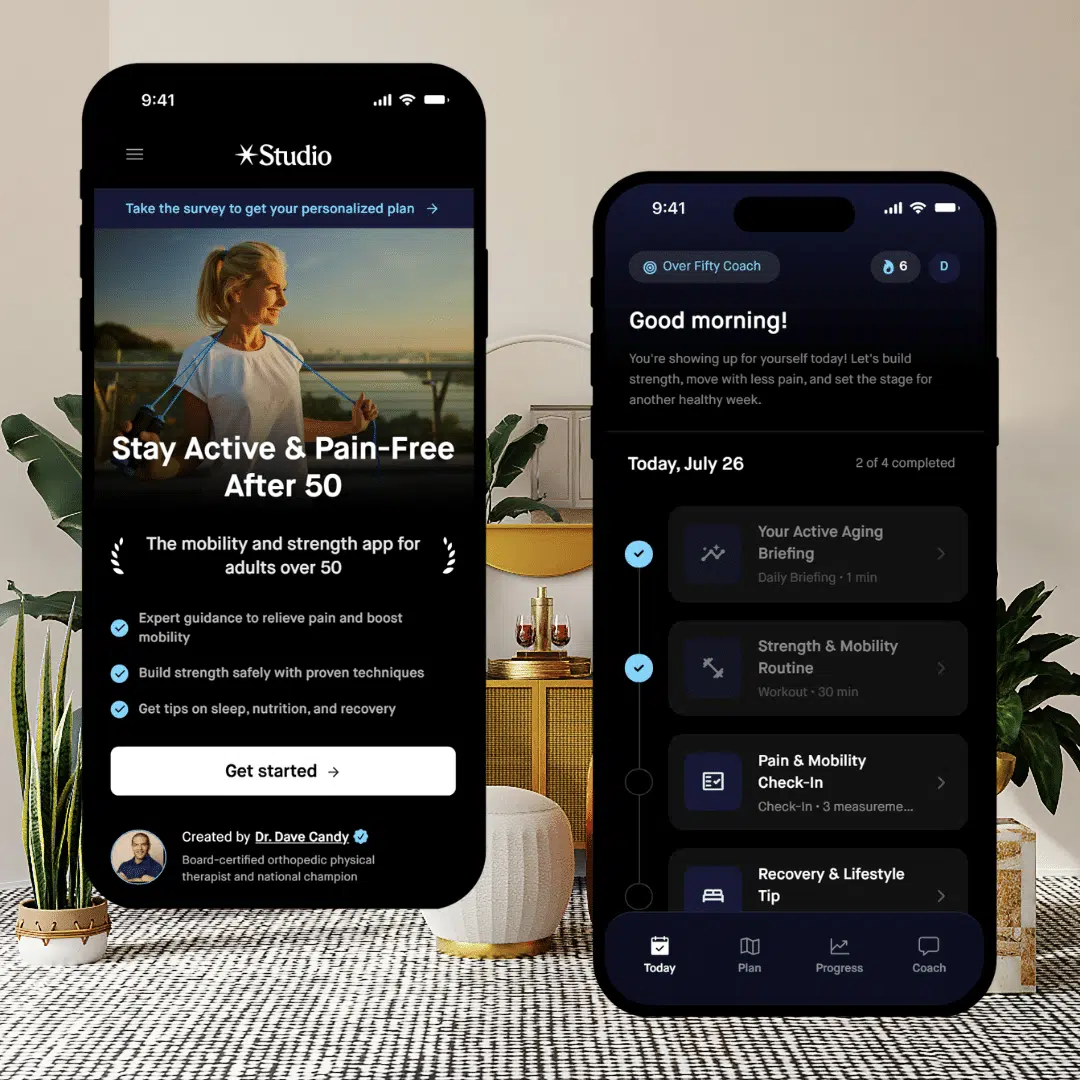
For more personalized tips on managing knee pain, consider exploring health apps designed to provide tailored exercise plans based on your specific needs and goals.
Need Help To Stay Strong and Mobile After 50?
Affiliate Disclosure: This post contains affiliate links to Amazon and/or other sites. While I only recommend products that I trust, as an Amazon Associate, I earn commission from qualifying purchases at no extra cost to you.
Medical Disclaimer: The content on this site is for educational and informational purposes only and is not intended as medical advice. Always consult with a qualified healthcare professional before beginning any new exercise program, diet, or supplement regimen, especially if you have pre-existing health conditions.