
Introduction to Stronger Legs
As we age, maintaining leg strength becomes increasingly important for overall mobility and health. In this post, we will explore the three hidden steps to achieving stronger legs, particularly for those aged 50 and above. These principles apply to various leg exercises, ensuring you maximize your strength and stability.
Step 1: Proper Foot Positioning
Before starting any leg exercise, it’s crucial to set your feet in a comfortable yet powerful position. Begin by activating the arches of your feet. This can be done by curling your toes and pulling the ball of your foot towards your heel. Activating these muscles helps maintain arch strength and prevents collapse, which is especially important as you lift heavier weights.
Once your arches are activated, slightly unlock your knees. This prepares your legs for the next step in achieving stronger legs.
Finding Your Spine Position
Next, you need to focus on your spine. A neutral spine position is essential for strength during leg exercises. To find this position, tilt your back as far as you can, then round forward. The midpoint between these extremes is your neutral spine, where your bones will support your body weight effectively.
Maintaining a neutral spine minimizes the strain on your muscles, allowing them to focus on the exercise rather than compensating for poor alignment.
Step 2: Engaging the Glutes
The final principle is to activate your glute muscles before beginning your leg exercises. Your gluteus medius and minimus help turn your hips outward, while the gluteus maximus is crucial for hip extension. To engage these muscles, set your feet, find your spinal neutral position, and gently kick your knees outward. This activation is vital for the effectiveness of exercises such as squats and lunges.
Applying the Principles: Squats
Now that you have set your foundation, let’s apply these principles to a squat. Start by setting your feet, ensuring your arches are active. Next, find your spinal neutral position and engage your glutes. As you descend into the squat, keep your weight grounded through your feet, maintaining the knee position and spinal alignment.
Remember, the depth of your squat can affect which muscles are activated. If you lean forward more towards your toes, you will engage your quads more, while sitting back towards your heels emphasizes your glutes.
Step 3: Lunges and Deadlifts
Moving on to lunges, the same principles apply. Set your foot position with one leg forward and one backward. Activate your arches, ensure your knee is aligned with your foot, and find your neutral spine. Kick the knee out slightly to engage your glutes, and then lower into the lunge.
For deadlifts, which primarily target your glutes and hamstrings, start with your feet under the weight. Shift your weight back onto your heels, find your neutral spine, and kick your knees outwards. This will help prevent back strain and focus on the muscle groups intended for the exercise.
Conclusion: Next Steps for Stronger Legs
In summary, achieving stronger legs, especially for those over 50, revolves around three key principles: proper foot positioning, maintaining a neutral spine, and engaging your glutes. By applying these steps to your leg exercises, you can enhance your strength and mobility.
If you’re looking for more tips on strengthening your legs and improving your overall mobility, consider exploring additional resources related to balance and mobility exercises. These practices will further support your journey towards healthier, stronger legs.
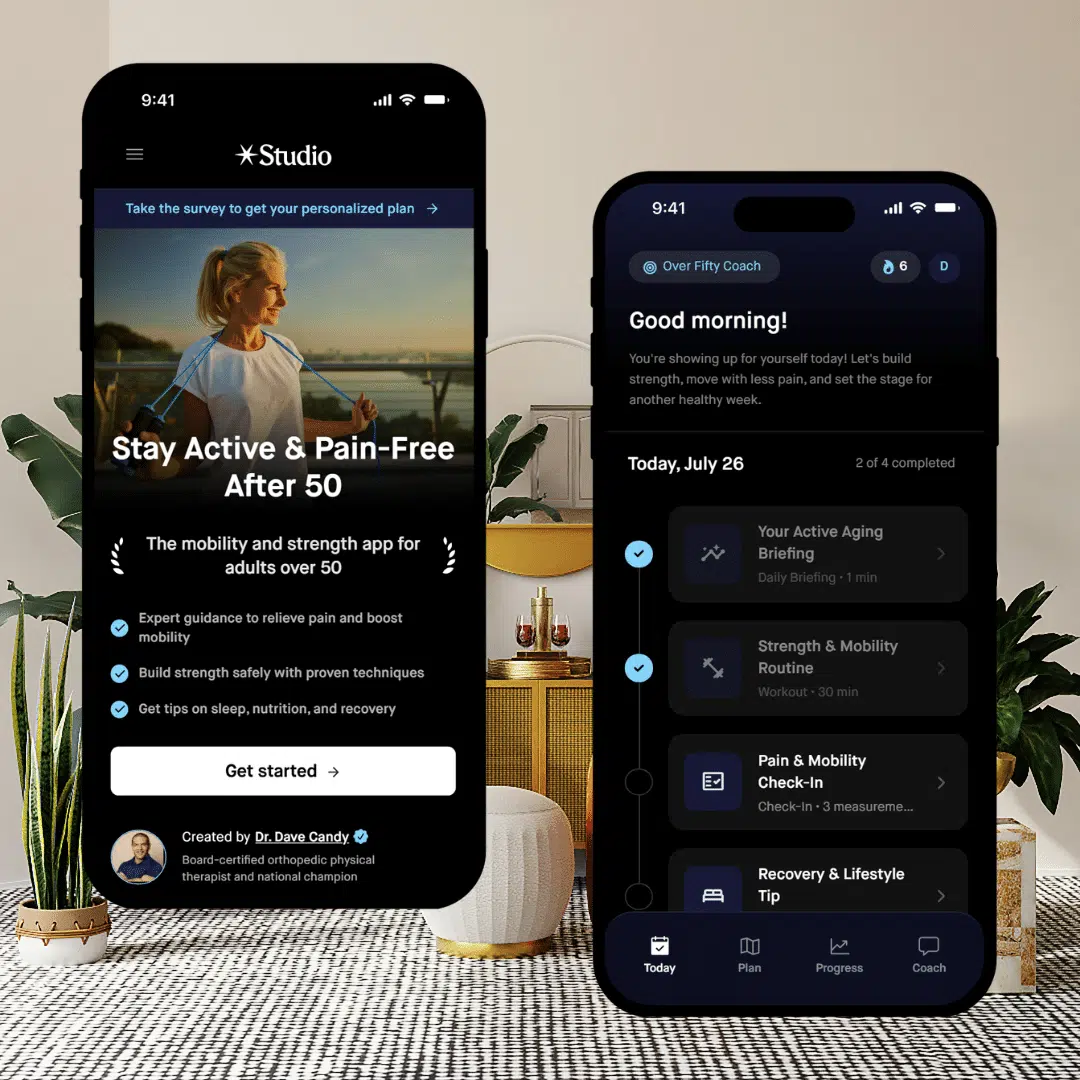
Need Help To Stay Strong and Mobile After 50?
Affiliate Disclosure: This post contains affiliate links to Amazon and/or other sites. While I only recommend products that I trust, as an Amazon Associate, I earn commission from qualifying purchases at no extra cost to you.
Medical Disclaimer: The content on this site is for educational and informational purposes only and is not intended as medical advice. Always consult with a qualified healthcare professional before beginning any new exercise program, diet, or supplement regimen, especially if you have pre-existing health conditions.