
Understanding Shoulder Pain: Why Can’t You Lift Your Arm?
If you find yourself unable to lift your arm above shoulder level without pain, you’re not alone. Many individuals experience discomfort or restrictions when trying to raise their arms, often due to shoulder issues. Understanding the underlying causes can help in finding effective solutions. In this post, we will explore common reasons for this problem and provide three actionable tips to help you lift your arm comfortably.
What Causes Difficulty in Lifting Your Arm?
Difficulty in raising your arm can stem from various issues. If you can lift your arm but feel pain, it may indicate a problem with the tendons in your shoulder. Conversely, if you cannot lift your arm at all, it could signify a more serious condition, such as a rotator cuff tear or a pinched nerve in your neck.
1. Tendon Issues
When you can lift your arm but experience pain, the issue is often related to pinched tendons in the shoulder. This is typically less serious and can often be managed with conservative treatment.
2. Rotator Cuff Tears
If you cannot lift your arm and suspect a rotator cuff tear, it’s important to consult with a healthcare professional. Small tears can heal with conservative treatment, while larger tears may require surgical intervention.
3. Nerve Problems
Another possibility is a pinched nerve in the neck, which can prevent the proper signals from reaching your arm, making it difficult or impossible to lift it even though it may not hurt.
Three Tips to Lift Your Arm Above Shoulder Level Comfortably
If you are able to lift your arm but experience pain, here are three easy tips to help alleviate discomfort:
Tip 1: Reach in a Proper Arc
When attempting to lift your arm, focus on reaching in an up and forward motion rather than straight up or out to the side. This method utilizes a longer lever arm effectively, reducing the mechanical advantage of gravity against your lift. Remember that about two-thirds of the movement should come from the shoulder joint, while one-third should originate from the shoulder blade. This technique can help you lift your arm more comfortably, particularly when reaching for items on high shelves.
Tip 2: Use the ‘Thumbs Up’ Position
The position of your arm significantly affects your shoulder’s mechanics. Always aim for a ‘thumbs up’ position when lifting your arm. This orientation helps rotate the shoulder’s ball away from the arch, reducing the risk of pinching tendons. Conversely, a ‘thumbs down’ position can lead to increased discomfort due to compression of the tendons.
Tip 3: Adjust Your Shoulder Blade Position
When lifting your arm to the side, many people experience pain if they don’t move their shoulder blades properly. Instead of reaching straight out, pull your shoulder blades back to flatten their position against your trunk. This adjustment aligns everything and allows for a more comfortable lift, reducing the chance of tendon compression.
When to Seek Professional Help
If these tips do not alleviate your pain or if you cannot raise your arm at all, it may be time to consult a physical therapist or healthcare provider. Conditions such as a frozen shoulder or significant rotator cuff tears require professional assessment and tailored treatment plans.
Conclusion
Shoulder pain can be frustrating, especially when it limits your ability to perform everyday tasks. By understanding the possible causes and implementing these tips, you can work towards lifting your arm above shoulder level more comfortably. If pain persists, don’t hesitate to seek professional help to address the underlying issues effectively.
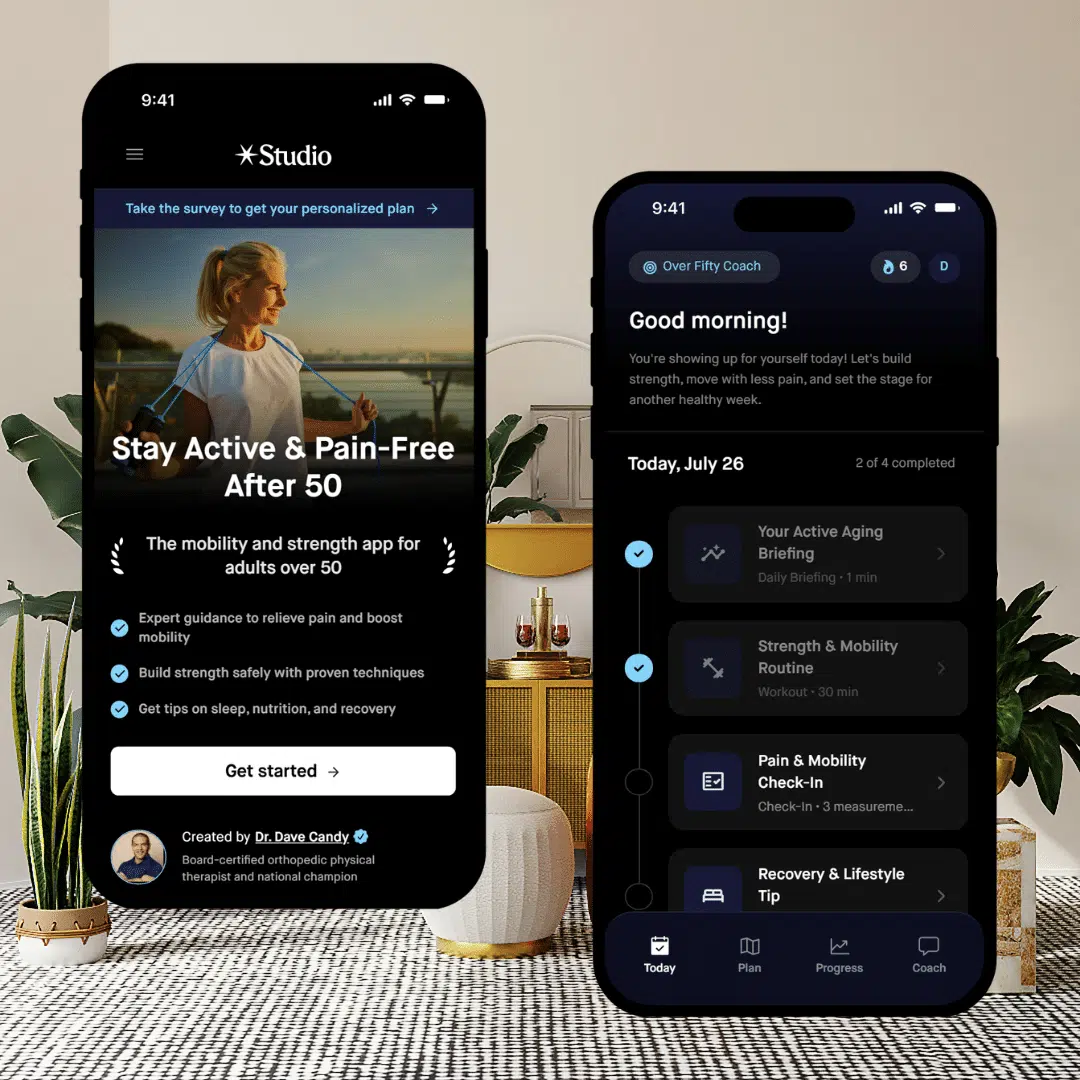
Need Help To Stay Strong and Mobile After 50?
Affiliate Disclosure: This post contains affiliate links to Amazon and/or other sites. While I only recommend products that I trust, as an Amazon Associate, I earn commission from qualifying purchases at no extra cost to you.
Medical Disclaimer: The content on this site is for educational and informational purposes only and is not intended as medical advice. Always consult with a qualified healthcare professional before beginning any new exercise program, diet, or supplement regimen, especially if you have pre-existing health conditions.