
Understanding Hip Pain When Sitting
Sitting for extended periods can lead to hip pain, especially during activities like traveling, dining out, or working at a desk. In this post, we will explore the three common types of hip pain that occur when sitting, and how to alleviate them effectively.
Types of Hip Pain While Sitting
It’s crucial to identify the type of hip pain you are experiencing, as each type requires a different approach for relief. The three types include:
- Back of the hip or buttock pain
- Outer hip pain
- Front of the hip or groin pain
1. Back of the Hip or Buttock Pain
This type of pain is often not directly related to the hip itself but may stem from lower back issues. Common causes include:
- Degenerated or shrunken discs in the lower back
- Poor posture while sitting, which places strain on the lumbar region
- Compression of nerves in the lower back
To alleviate back of the hip pain, ensure you use the backrest of your chair. Sitting all the way back with your lower back pressed against the support will help maintain a neutral spine position, reducing strain. If your feet do not reach the floor, using a step stool can elevate your knees, enhancing your posture and comfort.
2. Outer Hip Pain
Outer hip pain is more prevalent in women due to anatomical differences. It often results from:
- Asymmetrical sitting posture, leaning on one hip or armrest
- Compression of muscles and nerves in the hip area
To mitigate outer hip pain, aim to distribute your weight evenly across both hips. It is acceptable to cross your legs, but avoid doing so consistently in the same direction. Alternating leg positions can help maintain symmetry. Additionally, performing a figure-four stretch can relieve tension in the hip rotator muscles.
3. Front of the Hip or Groin Pain
This pain is usually associated with the hip joint being compressed, particularly in individuals with hip arthritis. Key factors include:
- Sitting with knees crossed or in an internally rotated position
- Forward tilting of the pelvis while sitting
To reduce discomfort in the front of the hip, maintain a more open hip angle while seated. Avoid crossing your legs or sitting in positions that narrow the hip joint space. Instead, consider using a wider stance or placing a pillow for support behind your back to allow for a more comfortable sitting position.
Getting Up with Hip Pain
Regardless of the type of hip pain you experience, using proper techniques to stand up can make a significant difference. Follow these steps:
- Scoot to the edge of your chair.
- Position your feet directly underneath your body.
- Lean slightly forward to shift your weight over your feet.
- Push your hips back and stand up, using your legs for support.
If you struggle with this motion due to front hip pain, consider spreading your legs wider and externally rotating your hips to create more clearance.
Conclusion
Understanding the different types of hip pain when sitting can help you take actionable steps to alleviate discomfort. By adjusting your posture, using proper support, and implementing specific stretches, you can sit longer with less hip pain. If your discomfort persists, consider consulting a healthcare professional for personalized advice and treatment options.
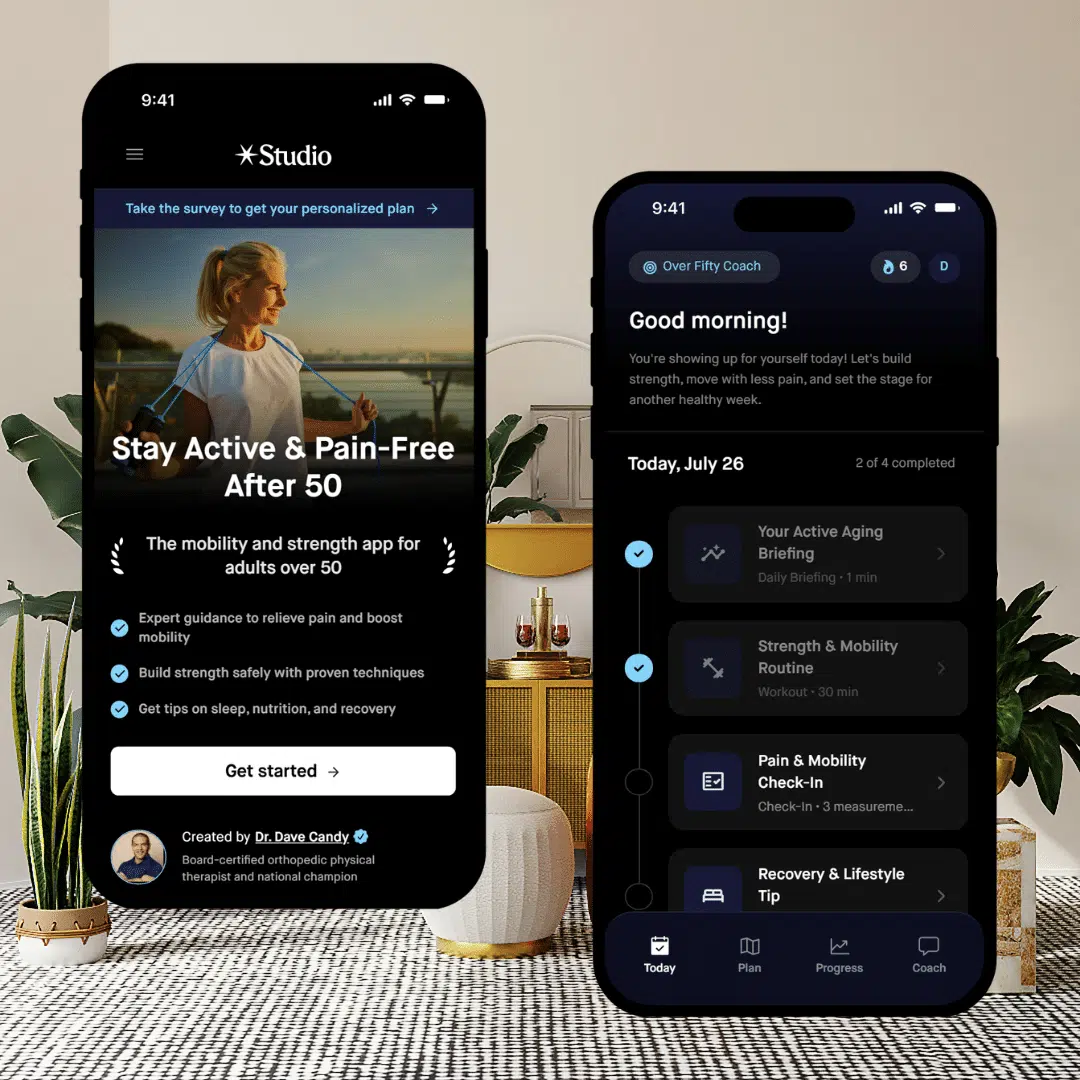
Need Help To Stay Strong and Mobile After 50?
Affiliate Disclosure: This post contains affiliate links to Amazon and/or other sites. While I only recommend products that I trust, as an Amazon Associate, I earn commission from qualifying purchases at no extra cost to you.
Medical Disclaimer: The content on this site is for educational and informational purposes only and is not intended as medical advice. Always consult with a qualified healthcare professional before beginning any new exercise program, diet, or supplement regimen, especially if you have pre-existing health conditions.