
Understanding Degenerative Disc Disease
Degenerative disc disease can sound alarming, but it simply refers to the loss of height between the vertebrae due to dehydration of the intervertebral discs. As we age, these discs naturally lose water content, which can lead to discomfort and mobility issues. Those with a history of injuries or repetitive strain may experience worsening symptoms.
What to Avoid with Degenerative Disc Disease
Managing degenerative disc disease involves knowing what activities to avoid that may exacerbate your symptoms. Here are the key factors to consider:
Avoid Extended Standing
Standing for prolonged periods can aggravate back pain. The pressure on the nerves and facet joints increases when your spine is extended. If you need to stand, try to lean forward slightly or use a grocery cart for support to relieve pressure.
Limit Sitting Time
While sitting can provide temporary relief, excessive sitting can tighten hip flexors, worsening your condition. Stand up and stretch regularly to maintain flexibility. Incorporate short walks or standing breaks during your day.
Be Mindful of Your Posture
Both standing and sitting with an arched back can compress the spine, leading to increased pain. Instead, maintain a rounded posture when sitting or standing for relief. Keep your shoulders back and chin down to prevent excessive forward head posture.
Avoid Heavy Lifting
Heavy lifting can strain the spine and worsen degenerative disc disease symptoms. If lifting is necessary, practice proper techniques. Bend your knees, not your back, and keep the load close to your body.
What to Do Instead
While there are activities to avoid, there are also constructive practices to incorporate into your daily routine:
Incorporate Stretching
Regular stretching can help relieve tension in the hip flexors and lower back. Try hip flexor stretches by positioning one leg behind you and leaning forward gently. This opens up the spinal spaces and reduces nerve pressure.
Maintain Hydration
Discs are primarily composed of water, making hydration essential for disc health. Aim to drink plenty of water throughout the day to keep your discs hydrated and functioning properly.
Optimize Your Sleep Position
When sleeping, choose a pillow that provides adequate support without forcing your neck into an awkward position. A pillow that aligns your neck with your spine can minimize discomfort.
Dietary Considerations
Your diet can also influence degenerative disc disease. Focus on consuming nutrient-rich foods while avoiding those that can lead to inflammation:
Foods to Avoid
- Avoid processed foods high in refined sugars and unhealthy fats.
- Limit saturated fats, which can increase inflammation.
- Steer clear of carbonated beverages and artificial additives.
Foods to Include
- Opt for leafy greens, lean proteins, and omega-3 fatty acids.
- Incorporate fruits and vegetables into your meals for essential nutrients.
- Focus on whole grains for sustained energy and fiber.
Conclusion: Next Steps for Managing Degenerative Disc Disease
Understanding what to avoid with degenerative disc disease is vital for managing your symptoms and maintaining a healthy lifestyle. By making mindful choices about your posture, activities, and diet, you can alleviate discomfort and improve your overall well-being. If you need further assistance, consider consulting a healthcare professional for personalized advice.
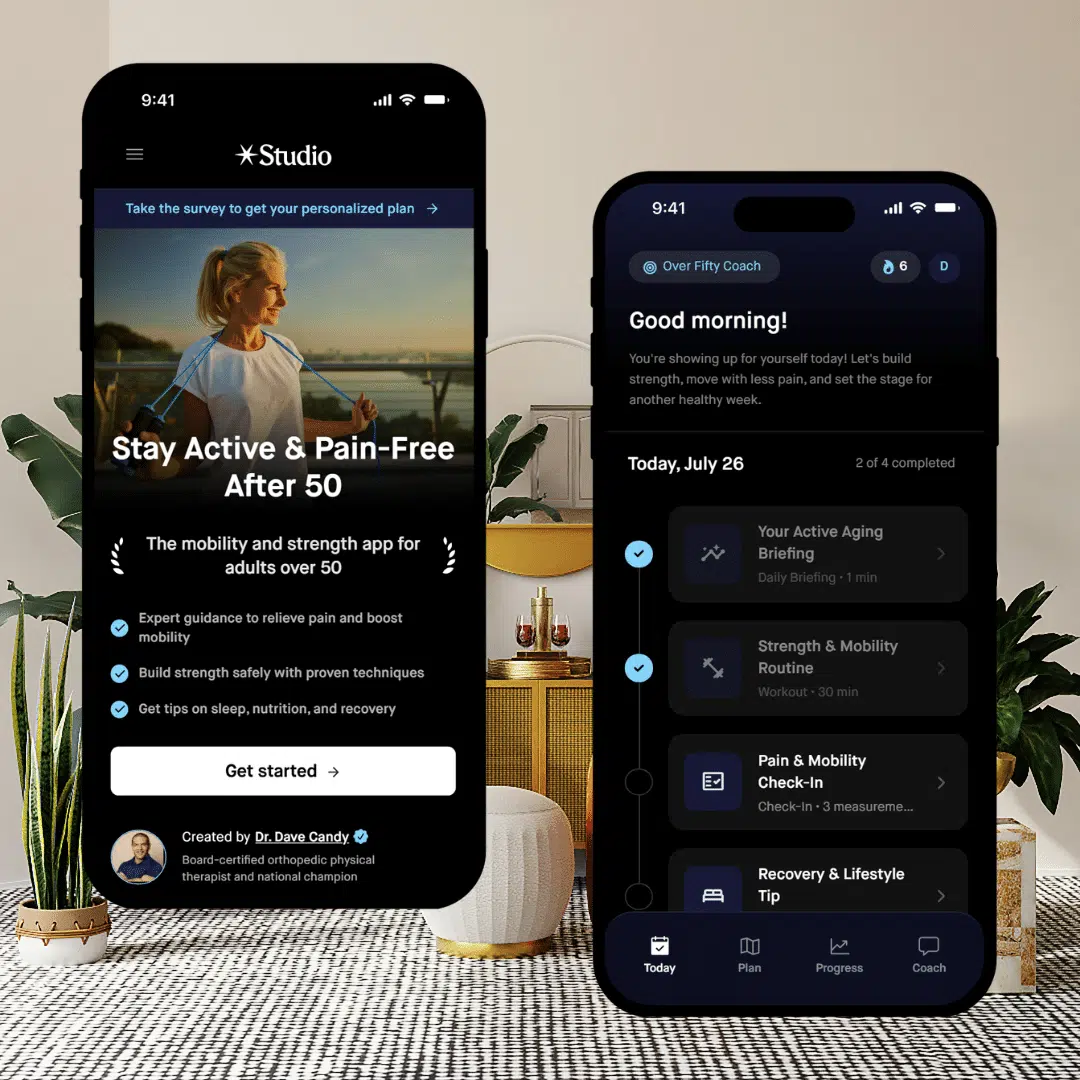
Need Help To Stay Strong and Mobile After 50?
Affiliate Disclosure: This post contains affiliate links to Amazon and/or other sites. While I only recommend products that I trust, as an Amazon Associate, I earn commission from qualifying purchases at no extra cost to you.
Medical Disclaimer: The content on this site is for educational and informational purposes only and is not intended as medical advice. Always consult with a qualified healthcare professional before beginning any new exercise program, diet, or supplement regimen, especially if you have pre-existing health conditions.