
Understanding Strength Training Mistakes
Many people face frustration when exercising without seeing improvements in their strength. This blog will address the common mistakes that keep you from getting stronger and provide actionable solutions. By understanding these pitfalls, you can optimize your workouts and achieve your fitness goals.
1. Inconsistency in Exercise
The most common reason people fail to gain strength is inconsistency. Major health organizations recommend at least 150 minutes of aerobic activity weekly along with two days of strength training. Unfortunately, many individuals do not meet these minimum requirements.
To build muscle effectively, commit to a consistent routine. It typically takes six to eight weeks to see significant muscle growth. If you’re only lifting weights once a month, you’re unlikely to see any gains.
How to Stay Consistent
Set a schedule for your workouts and stick to it. Consider involving a workout buddy to keep you accountable or use a fitness app to track your progress. Remember, the key is consistency.
2. Not Working Hard Enough
Another common mistake is not pushing yourself during workouts. To build muscle, you must challenge your body beyond its current limits. This is known as the overload principle.
Sticking to the same weight or number of repetitions can stall your progress. Instead, aim to increase either the weight or the number of reps as you grow stronger.
Pushing Your Limits Safely
Work until your muscles feel fatigued but avoid pushing to the point of injury. Listen to your body; discomfort is normal, but pain can lead to setbacks.
3. Overtraining and Lack of Recovery
While it’s essential to work hard, overtraining can be counterproductive. Insufficient rest can result in elevated cortisol levels, which can break down muscle tissue.
To prevent overtraining, ensure you have adequate rest days in your workout regimen. Muscle repair occurs during recovery, making it crucial for strength building.
Signs of Overtraining
Be mindful of signs like fatigue, decreased performance, and persistent soreness. If these symptoms arise, consider reducing your workout intensity or frequency.
4. Improper Exercise Technique
Using incorrect form can hinder your progress and lead to injury. If you’re not engaging the right muscles, you won’t see the intended benefits from your exercises.
Consider consulting a personal trainer or physical therapist who can help you master proper technique. This investment can lead to better results and prevent injuries.
Techniques for Effective Workouts
Watch instructional videos or seek professional guidance to ensure you are performing exercises correctly. Proper form maximizes benefits and minimizes risks.
5. Ignoring Nutrition
Finally, improper nutrition can sabotage your strength training efforts. Your body requires adequate fuel to perform and recover from workouts. Specifically, protein is essential for muscle repair and growth.
As you age, your protein needs often increase while your appetite may decrease. This imbalance can lead to insufficient protein intake, hindering muscle growth.
Meeting Your Nutritional Needs
To ensure you’re getting enough protein, consider incorporating a variety of protein sources into your diet. This could include lean meats, dairy, legumes, and protein supplements if necessary.
Conclusion: Taking the Next Step
Identifying and correcting these common mistakes can significantly enhance your strength training results. Focus on consistency, challenge yourself appropriately, allow for recovery, ensure proper technique, and prioritize nutrition. With dedication and the right strategies, you can overcome these obstacles and achieve your strength goals.
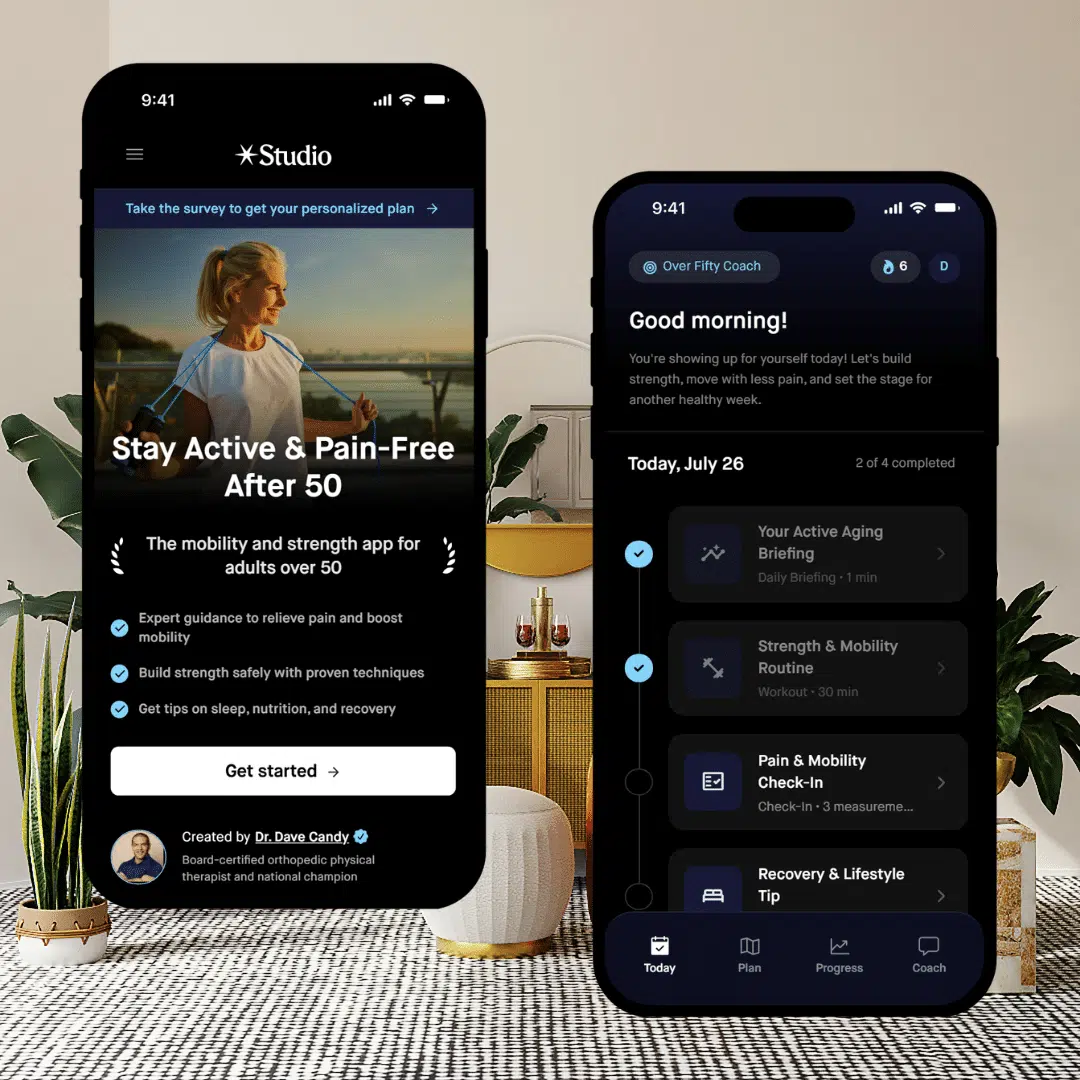
Need Help To Stay Strong and Mobile After 50?
Affiliate Disclosure: This post contains affiliate links to Amazon and/or other sites. While I only recommend products that I trust, as an Amazon Associate, I earn commission from qualifying purchases at no extra cost to you.
Medical Disclaimer: The content on this site is for educational and informational purposes only and is not intended as medical advice. Always consult with a qualified healthcare professional before beginning any new exercise program, diet, or supplement regimen, especially if you have pre-existing health conditions.