
Understanding Knee Pain Over 50
Knee pain is a common issue that many people face after the age of 50, but it is often misunderstood. Contrary to popular belief, arthritis is not the primary cause of knee pain for many individuals in this age group. Instead, the real culprit is often years of suboptimal biomechanics that lead to discomfort and pain.
What Causes Knee Pain?
Most cases of knee pain arise from excessive twisting between the femur (thigh bone) and the tibia (lower leg bone). This twisting does not occur in isolation; it affects the entire lower body. For instance, when the knee collapses inward, it can lead to foot pronation, internal tibial rotation, and inward femoral rotation. These issues can create tension on ligaments, tendons, and the meniscus, causing pain.
Identifying the Problem
It’s important to understand that knee pain can sometimes be worse in one knee than the other, even if both knees are the same age. This discrepancy often indicates that there is a biomechanical issue at play rather than just age-related degeneration.
Exercises to Relieve Knee Pain
To address knee pain effectively, we must focus on correcting these biomechanical problems. Here are several exercises you can incorporate into your routine:
1. Knee Over Ankle Stretch
Start by crossing one knee over the other. Push out on the knee while simultaneously pulling up on the ankle. You may hear a pop, which can indicate a release of tension. If this doesn’t provide relief, try moving your hand closer to the knee joint and applying gentle pressure while pulling on the lower leg bone.
2. Ankle Mobility Exercise
To improve ankle mobility, place your foot on a chair or stair. Perform a mini lunge, ensuring that your knee moves forward over your toes without allowing your foot to flatten. This exercise helps maintain proper alignment and enhances ankle flexibility.
3. Calf Stretch
Step into a walking position, keeping the heel of your back foot on the ground while your knee remains straight. This stretch targets the gastrocnemius muscle, which plays a significant role in ankle movement. Hold this position for about a minute for optimal results.
Integrating Strength and Functionality
To ensure that these corrections are functional, practice walking while maintaining proper alignment. Focus on hitting slightly on the outside of your foot, gripping the ground with your toes, and pushing off your big toe. This will help prevent your knees from collapsing inward when you walk.
4. Chair Squats
Practice squatting in front of a chair, reaching back to touch it with your bottom. Maintain alignment between your hips, knees, and toes throughout the movement. This exercise is crucial for reinforcing proper biomechanics while strengthening your legs.
5. Lunges
To build strength, try lunging. Start with a lunge that keeps your knee from going inward. Ensure that you drive your knee outward, which activates your glute muscles and enhances ankle mobility. Perform repetitions on both legs, focusing on equal strength and control.
Next Steps for Managing Knee Pain
Incorporate these exercises into your daily routine to address the biomechanical issues causing your knee pain. Focus on maintaining proper alignment and mobility throughout your movements. As you progress, you can increase the difficulty by adding weights to your exercises.
Remember, it’s essential to listen to your body and perform these exercises within your comfort range. Always consult a healthcare professional before starting a new exercise program, especially if you have existing knee problems.
With dedication and the right approach, you can alleviate knee pain and improve your overall mobility. Share your experiences in the comments, and feel free to reach out for more tips on managing knee pain effectively.
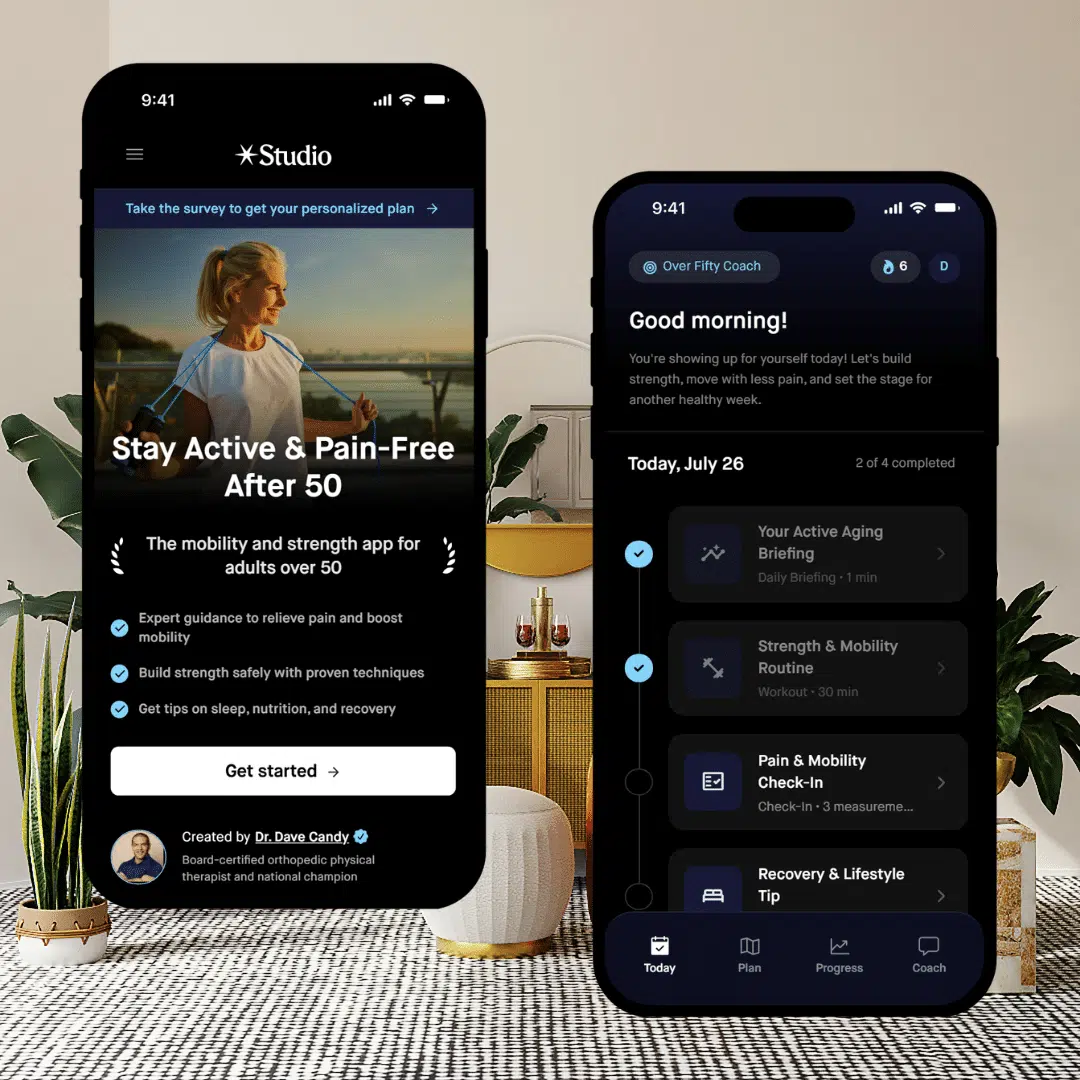
Need Help To Stay Strong and Mobile After 50?
Affiliate Disclosure: This post contains affiliate links to Amazon and/or other sites. While I only recommend products that I trust, as an Amazon Associate, I earn commission from qualifying purchases at no extra cost to you.
Medical Disclaimer: The content on this site is for educational and informational purposes only and is not intended as medical advice. Always consult with a qualified healthcare professional before beginning any new exercise program, diet, or supplement regimen, especially if you have pre-existing health conditions.